






















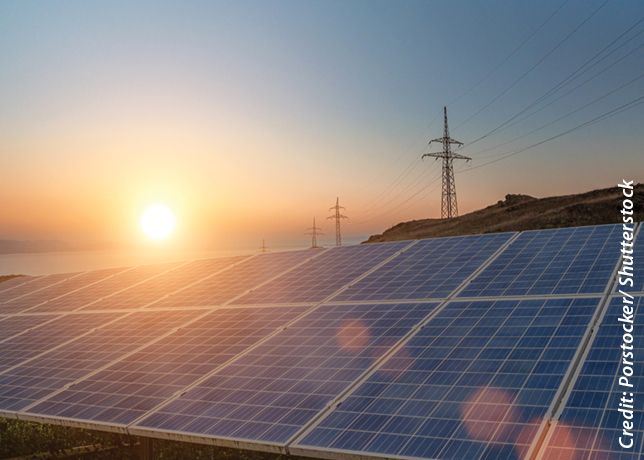









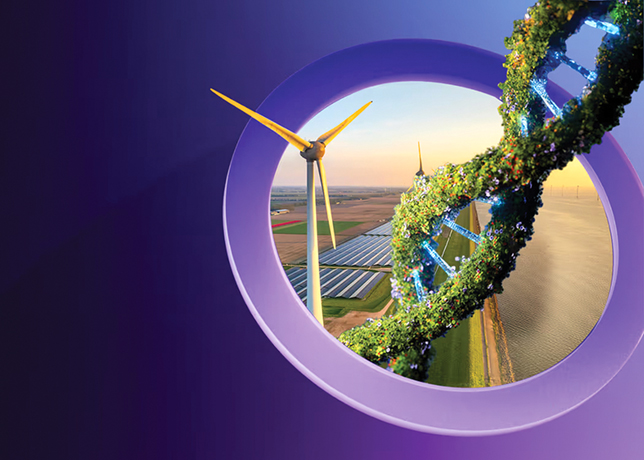

















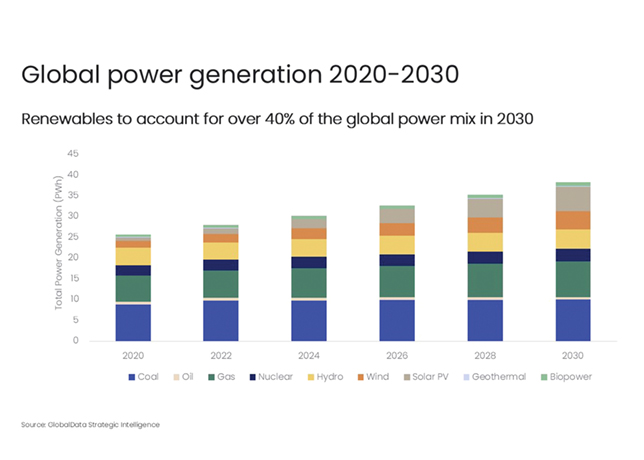
Global power generation is undergoing a major transition toward renewable energy, with renewables expected to account for more than 40 per cent of global electricity generation by 2030, according to a new report by GlobalData.
The shift is gradually reducing reliance on fossil fuels as countries intensify efforts to meet climate goals and strengthen energy security.
GlobalData’s report, “Renewable Energy in Oil and Gas,” projects renewable power generation to rise from 7.4 petawatt-hours (PWh) in 2020 to 16.1 PWh by 2030, representing a compound annual growth rate of 8.1 per cent.
During the same period, the share of fossil fuels in global power generation is expected to decline from 62 per cent to 50 per cent.
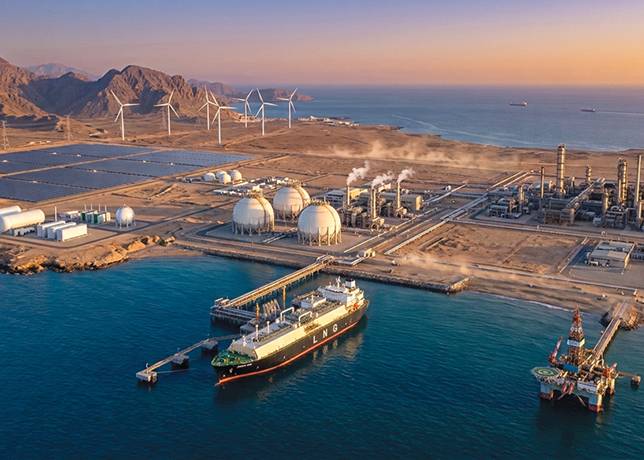
Major oil and gas companies are increasingly diversifying their portfolios through investments in renewable energy projects.
TotalEnergies is among the sector’s leading investors and could become one of the world’s largest wind energy producers by the end of the decade if its current project pipeline is realised.
BP and Shell are also expanding renewable power capacity, although the pace of investment has slowed in some markets.
According to GlobalData analyst Ravindra Puranik, growth in renewable energy is being driven by global decarbonisation efforts, concerns over energy security and declining costs of solar and wind technologies.
However, investment trends vary by region.
Supportive policies and incentives in Europe and Asia continue to attract capital, while higher costs, regulatory uncertainty and permitting challenges in the US have delayed or cancelled several projects.
Despite these obstacles, leading energy companies remain committed to advancing renewable projects in favourable markets.