
























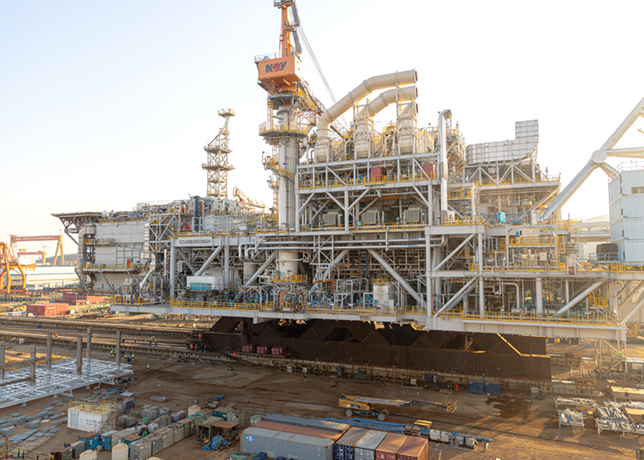







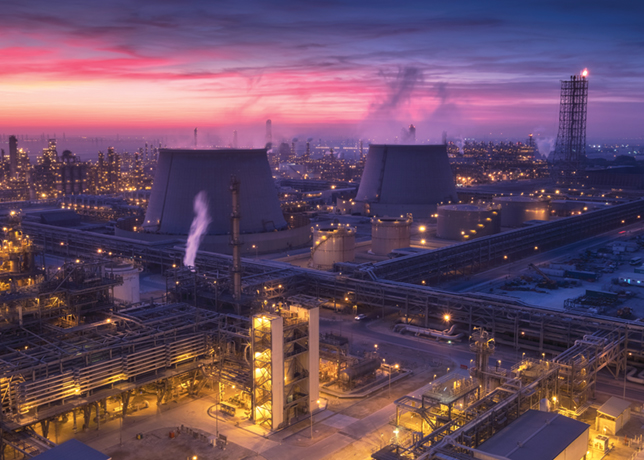

SAUDI Arabia expects to start up its Khursaniyah project to bring online an additional 500,000 bpd of light crude soon, signalling a further delay to the capacity expansion project that had been due for completion at the end of 2007.
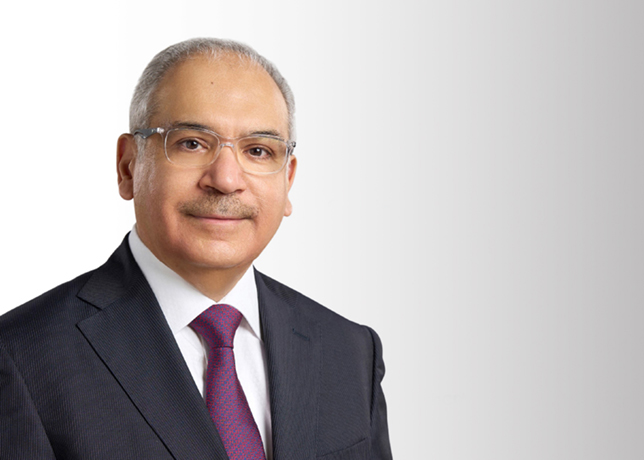
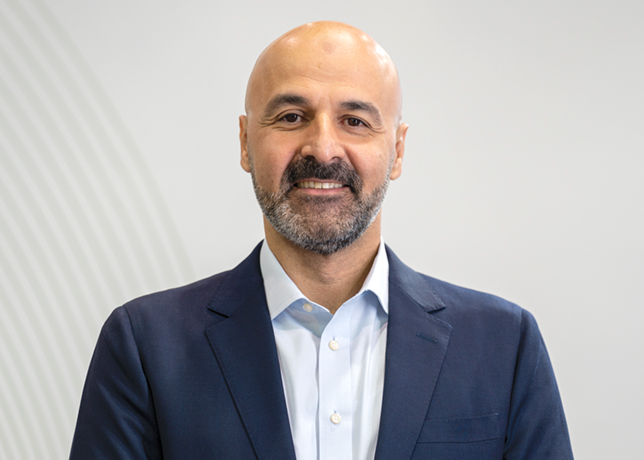
The information was contained in a speech by Khalid Al-Buainain Saudi Aramco senior vice president for refining, marketing and international, at a London seminar during IP week.
“Our slate of projects and initiatives begins upstream, with a series of landmark crude oil increments totalling some 3 million bpd of additional capacity,” Buainain says, referring to the kingdom’s plans to raise production capacity to 12.5 million bpd by 2009 from 11.3 million bpd.
“These [plans] include the Khursaniyah field with half a million barrels per day of Arab Light crude oil which will be available within two months,” Buainain says. But while Buainain says Saudi Arabia was committed to expanding its production capacity, the schedules for starting up new projects and the method of developing other fields targeted for expansion or de-mothballing appear to have changed somewhat.
Saudi Aramco said in early January that it had started pre-commissioning work at Khursaniyah, which involves bringing on crude from the Abu Hadriyah, Fadhili and Khursaniyah fields in the Eastern Province.
But a senior Saudi Aramco official later said Khursaniyah would come online during the first quarter of the year, a new deadline that appears to have slipped yet again.
Industry sources say the delay is due to problems with contractors, who have been late in supplying necessary equipment and personnel, reflecting the squeeze that is affecting the industry as a whole due to soaring costs of raw materials as well as a shortage of equipment and trained staff across the energy industry.
The addition of Khursaniyah crude would take Saudi Arabia’s production capacity to 11.8 million bpd from 11.3 million bpd currently.
Saudi Aramco is also working on other field expansion projects. Buainain says the “magnificent” Shaybah field would yield an additional 250,000 bpd of low sulphur Arab Extra Light Crude when it is completed.
Another 100,000 bpd of Arabian Super Light will come from central Saudi Arabia at Nu’ayyim, south of Riyadh, and two “mammoth projects in Khurais and the offshore Manifa field,” he says.
“Khurais will be producing 1.2 million bpd of Arabian light crude in by the middle of next year, while Manifah offshore field will add another 900,000 bpd of Arab heavy in 2011,” says Buainain.
“All of these additions, will enable us to expand our daily crude oil production capacity to 12 million bpd by the end of next year, and are in keeping with the kingdom’s pledge to maintain 1.5-2 million bpd of spare production capacity,” he says.
Saudi Arabia’s overall capacity, including production from the Neutral Zone shared with Kuwait, would rise to 12.5 million bpd by 2009 if all increments are on schedule.
Buainain notes that Saudi Aramco was also expanding its downstream capacity. The kingdom plans to double refining capacity to 6 million bpd both at home and abroad by the end of the decade and Buainain invited foreign investment in downstream projects.
He also confirms that a 400,000 bpd refinery to be built in partnership with France’s Total on the Arabian Gulf would go ahead.


