
















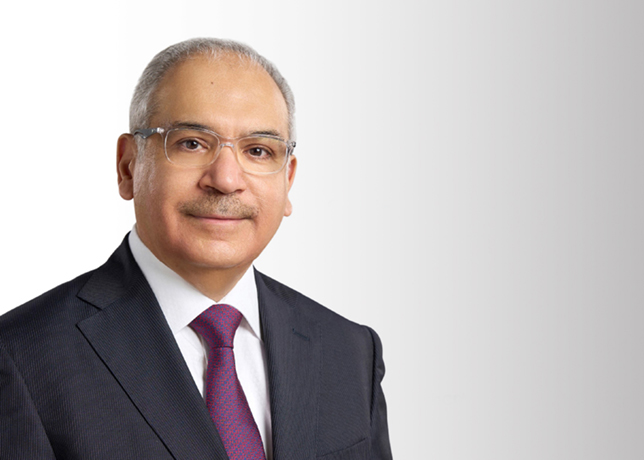







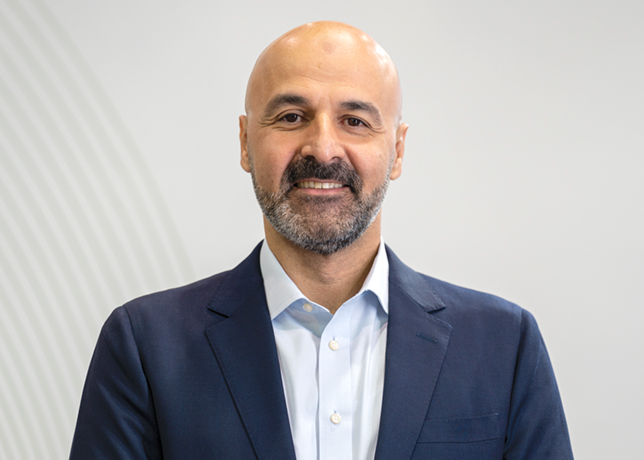










SAUDI Aramco, Saudi Arabia’s state-owned oil company, plans to invest about $90 billion in oil production and refining increases worldwide in the next five years, chief executive Abdallah S Jumah says.
The projects will include efforts to expand Saudi oil production capacity to 12 million barrels a day by the end of 2009.
Saudi Arabia pumped about 9.2 million barrels a day of oil in January and had capacity of about 10.8 million barrels a day. It has a quota of 8.94 million barrels a day from the Organisation of Petroleum Exporting Countries.
“We have stayed the course with our investment plans for oil production capacity expansion and a variety of related initiatives that will help increase the world’s energy supply capacity,” Jumah says.
Production at Ghawar, the world’s largest oilfield discovered 60 years ago in Saudi Arabia, has proven consistent at between five million and six million barrels a day for the past 10 years, even though analysts frequently forecast the field’s decline, he says. “We don’t pay a lot of attention to” predictions of the field’s demise, he says. “We hear it, but stay the course.”
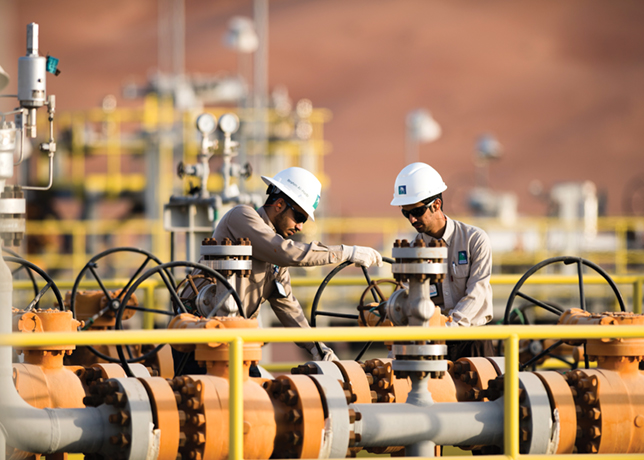
The Haradh expansion facility for low-density oil that opened in 2006 on the southern tip of Ghawar in eastern Saudi Arabia has added 300,000 barrels a day to output, he says.
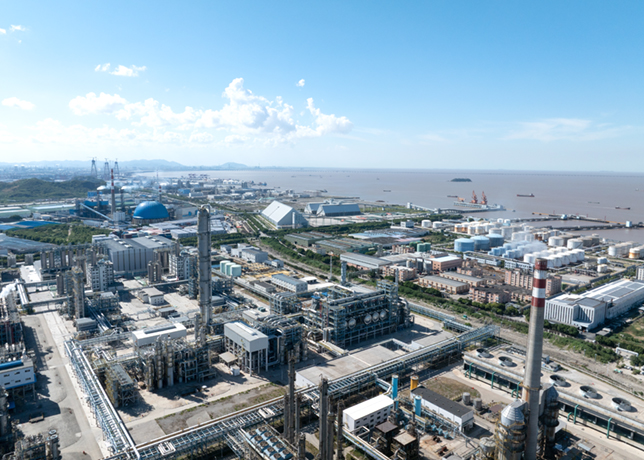
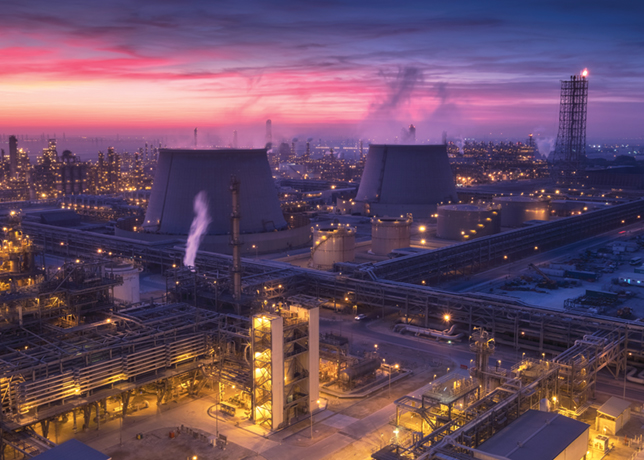
Saudi Arabia’s investments, in addition to boosting production, will raise its refining capacity to six million barrels a day from about three million barrels a day currently, he says. Aramco’s Motiva joint venture is turning its Port Arthur, Texas, refinery into the largest in the US, with 600,000 barrels a day of output capacity from 320,000, he says.
Jumah also calls for “engagement” with India and China as emerging major energy consumers. Saudi Arabia is confident it will reach a target to lift crude oil output capacity.
Saudi Arabia holds the world’s largest oil reserves and is expanding supply capacity to meet rising world demand at a time when higher costs are leading to delays and cancellations across the oil and gas industry.
Saudi Aramco aims to lift supply capacity to 12 million barrels per day, enough to meet 14 percent of current world demand, by the end of 2009, says Khalid Al Buainain senior vice president refining, marketing and international.
“We’re pressing ahead and we are very comfortable, we’re very confident,” Buainain says adding: “We will reach it.”
The 2009 target cited by Buainain refers to capacity excluding the Saudi share of the Neutral Zone between the kingdom and Kuwait. Present capacity is 11.3 million bpd including the zone.
Aramco is confident it will reach the goal despite one major project coming on stream later than expected.
The 500,000 barrel-per-day Khursaniyah oilfield should be pumping within two months, later than previously scheduled.
An official at Aramco had said in January the giant field, previously scheduled to begin pumping at the end of last year, would come onstream in the first quarter of this year.
Saudi Arabia pumps oil at agreed levels with fellow members of the Organisation of the Petroleum Exporting Countries and is the only member able to boost supply significantly at short notice.
According to Saudi Oil Minister Ali Al Naimi the kingdom was pumping around 9.2 million bpd, more than its informal Opec target of 8.94 million bpd.
Buainain says production rates would have to be adjusted at other fields once Khursaniyah was brought online.
“This will be additional capacity that’s available,” he says. “For commissioning and startup purposes we’ll bring it online, and we’ll have to adjust somewhere else.”
The Aramco executive says plans to build two oil refineries with US oil company ConocoPhillips and France’s Total were “progressing well”, despite some industry concerns.
“Like everyone else, we have seen an escalation of costs, but it has not deterred us,” Buainain adds.
Meanwhile Naimi gives an upbeat view of global energy demand, saying the kingdom is pumping 9.2 million barrels a day and finding customers for it.
According to Naimi the oil producing giant was managing to move such an amount “day in, day out.”
“Saudi production level in February is 9.2 million,” barrels a day, Naimi says. “This is what the market needs.”
Acknowledging that this was above its quota, Naimi says: “Production decisions are a sovereign right, each country decides on its production level based on the market needs. Opec does not control it.”
“Currently there is a balance between supply and demand, and stocks are within their 5 years average,” he says.
The powerful oil minister gives a cautiously optimistic outlook for demand in the second quarter, which often sees a dip after the peak winter season in much of the industrialised world. Those fears have been heightened this year with the slowdown and possible recession in the US, the world’s largest energy consumer.
“We don’t have the data and we cannot forecast yet how demand will be, we have to wait and see,” he says. “During the first 10 days of each month we get orders and then we know. So far, we have no problem with selling our oil, we have buyers.”
Opec ministers have largely blamed speculative investors for the current level of oil prices, though Naimi reaffirmed his view that the price of oil has found a floor around $60 to $70 a barrel.
“I am not saying this should be the floor price for oil though,” he says. “What I am saying is that this is what I think it costs to produce a barrel of oil.”
A sustained period of high oil prices has made it economically more feasible to produce other forms of energy.
Saudi Aramco is aiming for sustainable oil production capacity of 12.5 million barrels-a-day by the end of 2009 from around 11 million bpd capacity at present as a result of the huge investment in exploration and field projects under way.
An $11 billion development of the country’s Khurais field alone will add 1.2 million bpd according to senior vice president Abdullah Al-Saif. In addition a further 350,000 bpd of capacity will be available at the end of next year from developments at the company’s Shaybah and Nuayim fields.
Investments in the Khursaniyah, Khurais and Manifa acreages as well will add 2.95 million bpd to Aramco’s production capacity by 2011. The International Energy Agency predicts that by 2030 world crude demand will be sufficient for Aramco to raise production further to 18.2 million bpd which would take its share of global oil production to 15 per cent from 11 per cent now.
While some analysts question the Saudi capacity to meet such levels, others are in no doubt of the kingdom’s potential. Company executives have said that only 28 per cent of proven Saudi oil reserves are depleted and declared that recoverable crude at production levels translate into well over a century’s worth of oil.
“The likely reserve base of Saudi Aramco alone far outweighs that of the five international super-major oil companies,” says Moody’s Dubai-based senior credit analyst Philipp Lotter.
Saudi Arabia officially lists oil reserves of 259 billion barrels, though senior officials point to a reserve base more than three times as large. Al Saif is quoted as saying “the target we have set ourselves in discovery is to increase the discovered oil resources from 716 billion barrels to 900 billion barrels within the next 20 years.”
In the long term the aim is to increase both discovered resources and the recoverable part of those resources. Oil is now found in 85 different fields and in more than 300 reservoirs. The largest field is Ghawar in eastern province which produces some five million barrels a day representing some 6 per cent of global production.
As part of Aramco’s expansion strategy, the company’s number of rigs has increased from 50 to 130 over the last four years.
However, heavier crude, which trades at a discount to light oil, is likely to feature prominently in the production increase, with Aramco planning to extract 900,000 bpd from its hitherto mothballed offshore Manifa acreage within the next three years, as well as from its offshore Zuluf and Marjan fields.


