











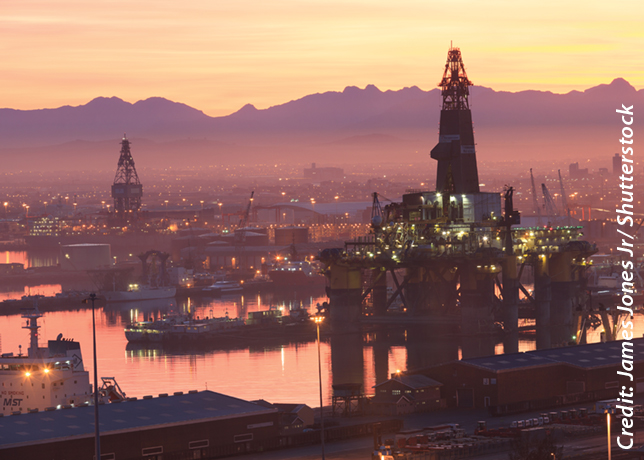















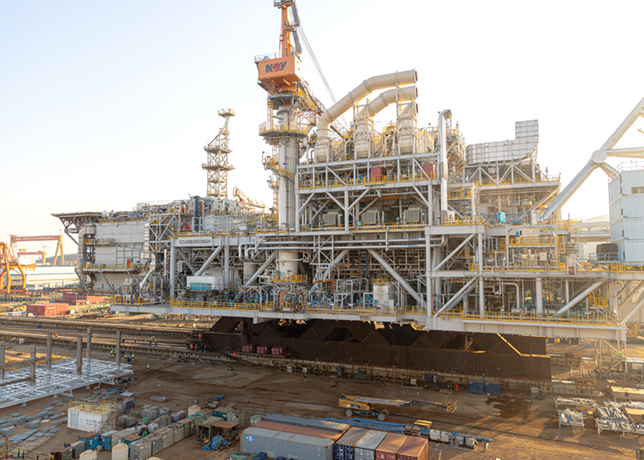












Drilling on the first oil well in the Falkland Islands in over a decade started, despite protests from Argentina, which claims the British territory.
Explorer Desire Petroleum said it spudded - or broke ground - at a well on its offshore “Liz” prospect.
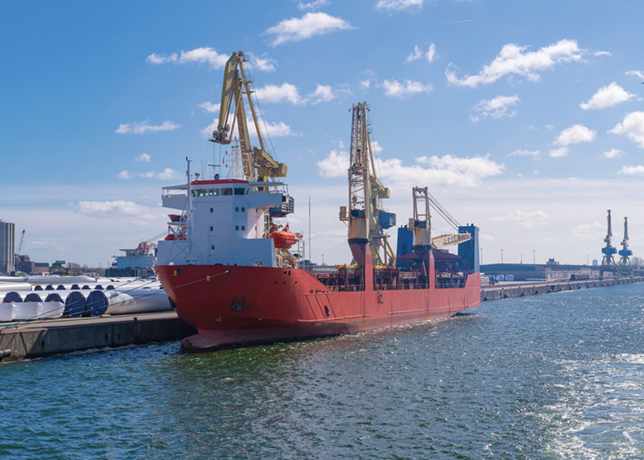
Liz could contain reserves of up to 400 million barrels, analysts said, although the risk of hitting nothing was also seen as high. The run-up to drilling in the Falklands led to rising tensions between Britain and Argentina, which went to war over them in 1982. Argentina said earlier this month the exploration was illegal, and blocked the loading of pipes on to a ship which it said had operated in the Falklands, known as Las Malvinas in Argentina.
The British government has protested to Argentina over a law passed in December that includes the disputed islands within the Argentine province of Tierra del Fuego. The sea around the Falklands could contain up to 17 billion barrels of oil and 51 trillion cubic feet, or 9 billion barrels of oil equivalent, of gas, according to a report in 2000 by the US Geological Survey.
However, the last flurry of excitement about an oil rush on the islands was killed by disappointing drilling results in 1998.
Oil prices of $10/barrel at the time also contributed to the view the islands did not have commercially viable reserves.
Higher oil prices and advances in drilling technology have spurred optimism in recent years. Nonetheless, after their failure in 1998, the big oil companies, such as Royal Dutch Shell, have not returned. The companies currently involved are all small explorers, either privately owned or listed on London’s junior AIM market. Only one major international company, Anglo-Australian miner and oil producer BHP Billiton, is active in the area.
The dispute with Buenos Aires over sovereignty is expected to make exploitation of any oil found more expensive than otherwise.
