


















Russian oil major Rosneft will outline offshore development and expansion abroad as two of its key areas of growth when it publishes its new strategy later this year, a top executive said.
First vice-president Pavel Fyodorov told a group of reporters in London state-controlled Rosneft would soon make an important announcement about acquiring offshore expertise but could not comment whether it would be a new partnership or an acquisition of assets or a team of specialists.
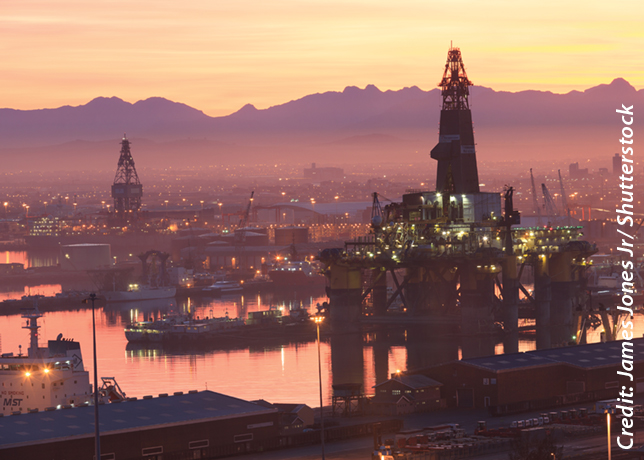
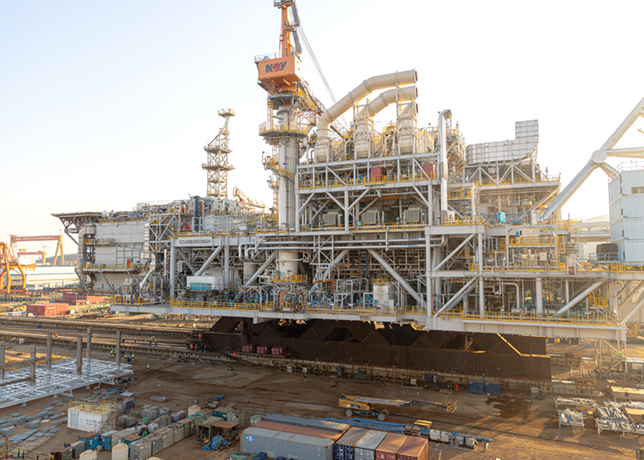
“Building valuable offshore expertise is a key priority for us ... Offshore is where the company is undervalued by a factor of three,” Fyodorov said.
“We would be seeing ourselves much more as a global diversifed energy leader rather than a one-market company” .
The strategy would follow the appointment of a new chief at Rosneft last year and a landmark share swap and an Arctic development deal between Rosneft and BP.
Fyodorov declined to comment whether Rosneft could buy out the Russian partners in the TNK-BP venture, who have won a UK court order blocking the deal with BP.
Speaking about other trends in the new development strategy, Fyodorov said the company would sharpen its investment focus including divesting some non-core assets.
“I do hope that, with a few new hires that we will make, there will be a much sharper focus on developing our international presence and diversifying our fiscal exposure and getting ourselves plugged into the global oil and gas industry”.
Fyodorov said Rosneft was looking at other partnerships with global oil majors like the BP deal as it seeks to become one of the world’s largest oil companies.
“We see (Brazil) Petrobras offshore business as a model for us,” he said adding the examples of Petrobras and Norway would serve as a basis for a study, which Rosneft would present to the government shortly, regarding a new offshore tax regime.
Speaking about expansion abroad, Fyodorov said Rosneft would mostly focus on upstream, including in Venezuela and new projects in Africa.
“We see most of our value being created in upstream ... We are very positive on upstream, neutral-to-positive on Russian downstream ... We are being very selective with international upstream, really picking up the best at lowest prices.”