

























CHINA has given final approval to Kuwait to build an oil refinery in the south of the country in a joint venture with China Petroleum & Chemical Corp, a person with firsthand knowledge of the decision says.
China, dependent on oil imports, has been making deals with major producers to process more crude domestically.
The $9-billion project between Kuwait Petroleum Corp (KPC) and Asia’s largest refiner by capacity, also known as Sinopec, has been under negotiation for more than five years.
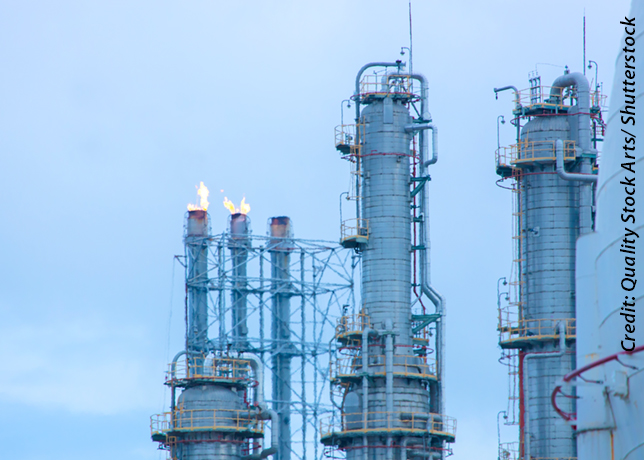
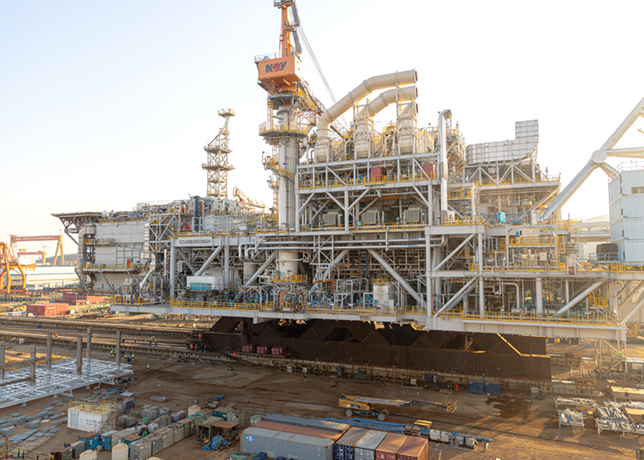
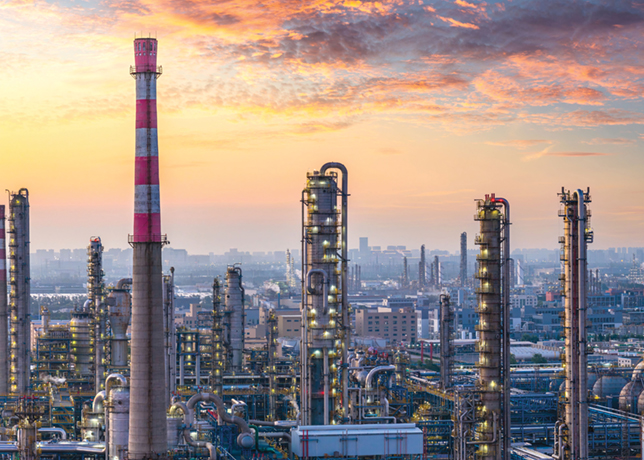
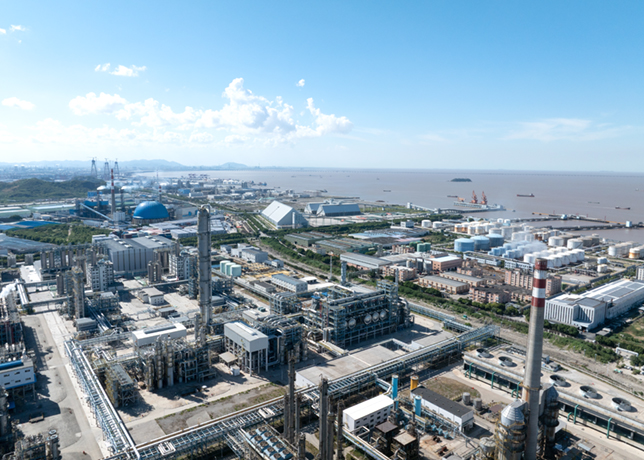
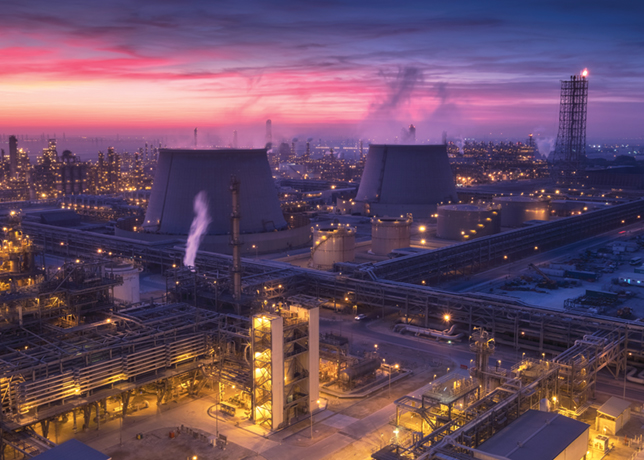
It includes a refinery with a capacity of 300,000 barrels a day in the city of Zhanjiang in Guangdong province and an ethylene plant with a capacity of a million tonnes a year, along with related utilities, jetties and oil pipelines, according to previous comments from government and company officials involved in the talks.
“The National Development and Reform Commission has given its approval. It is the final approval needed,” the person says, without elaborating. “We will do the front-end engineering and design and then move ahead with the construction.”
This is China’s second refinery project with a major crude-oil producer in the past six months – in September 2010 Russian oil company OAO Rosneft agreed to build a 260,000-barrel-a-day refinery in Northern China in a joint venture with China National Petroleum Corp (CNPC).
Meanwhile, Kuwait Petroleum International, the international marketing arm of KPC, plans to enter into another joint venture to market fuel that will be produced by its 300,000-barrel-a-day refinery project in southern China, the company’s vice president and chief planning officer says.
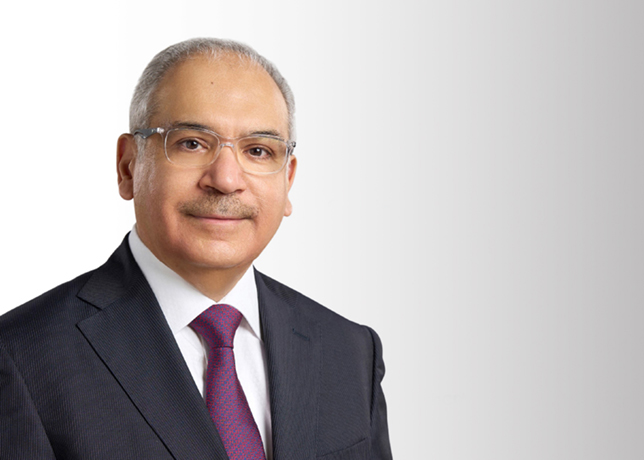
The company hopes that its Q8 brand, which is used at its service stations across Europe, will be in China, Mohammed Rashed Jasem says. BP is among the international oil companies that could be a potential partner in the refinery, and the additional partner could be announced in a few months, Jasem says.
Jasem also says the “door is open” for any international oil companies who wish to invest. Another potential investor could be French oil company Total, which has said it is interested in building a refinery in China with a local partner and a foreign oil producer.
In December, Royal Dutch Shell said it was no longer seeking to participate in the Kuwait-Sinopec refinery project.
From now, all of KPI’s international refinery projects will include a petrochemicals business because the company wants to take advantage of the entire value chain of the downstream business, Jasem says.
He also says India isn’t a strategic country to invest in as it has a downstream surplus. KPI is also planning a 200,000-barrel-a-day refinery in Nghi-Son in Vietnam, with partners PetroVietnam, Idemitsu Kosan Co and Mitsui Chemicals.
Its 200,000-300,000-barrel-a-day refinery in Balongan in Indonesia is at the feasibility stage; the refinery will be completed in 2017. A plan by CNPC and Venezuela’s state-run Petróleos de Venezuela to build a refinery in Guangdong to process that country’s oil is awaiting a formal go-ahead. A year ago, Saudi Basic Industries Corp, or Sabic, started commercial production at a petrochemical complex in Tianjin, China, a joint venture with Sinopec.
Kuwait is due to supply the crude oil for the Zhanjiang facility, in which Kuwait Petroleum Corp. and Sinopec will each hold a 50 per cent stake.