
























THE latest delay to Iran’s biggest gas development project has cost the country nearly $7 billion or about $3.3 billion a year, the semi-official Mehr news agency estimates in a report. It is now more than two years since Tehran staged a “show inauguration” of phases 9 and 10 of the giant South Pars field, located in Iranian waters of the Persian Gulf. But most of the production wells are still unable to pump any gas, Mehr says.
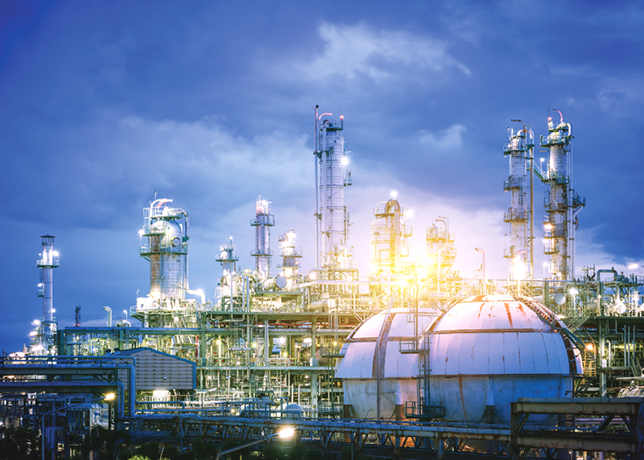
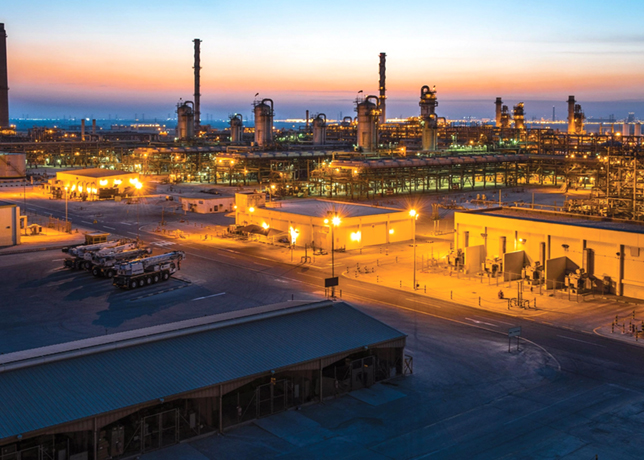
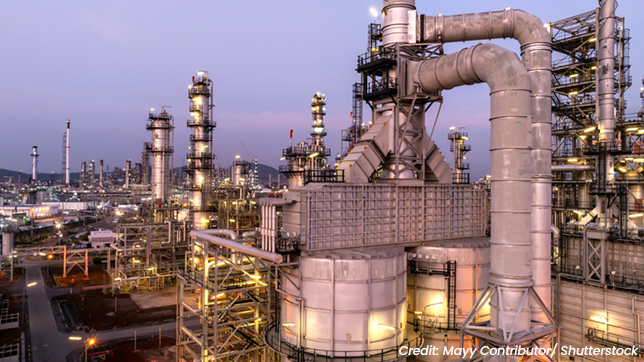
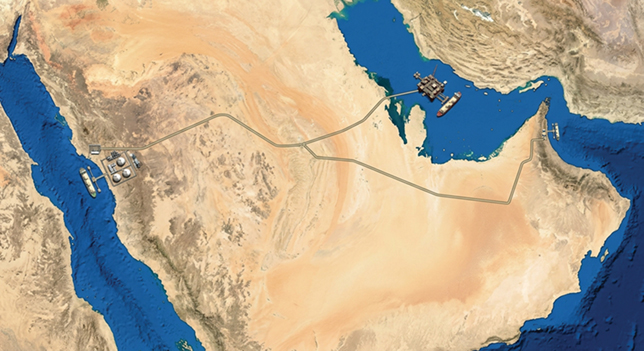
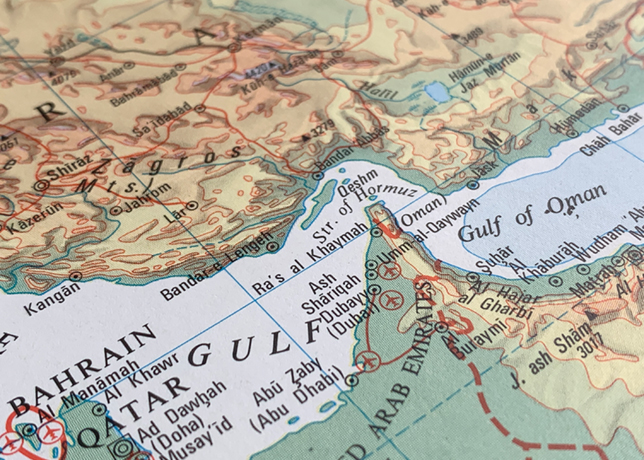
The South Pars deposit, with an estimated 500 billion cubic metres of reserves, is Iran’s side of the world’s largest gas field. The entire structure, which extends into Qatari waters and is called North Field in Qatar, contains more than 1.2 trillion cubic metres of proved reserves. Iran completed onshore processing facilities for gas from the two South Pars development phases in the winter of 2009.
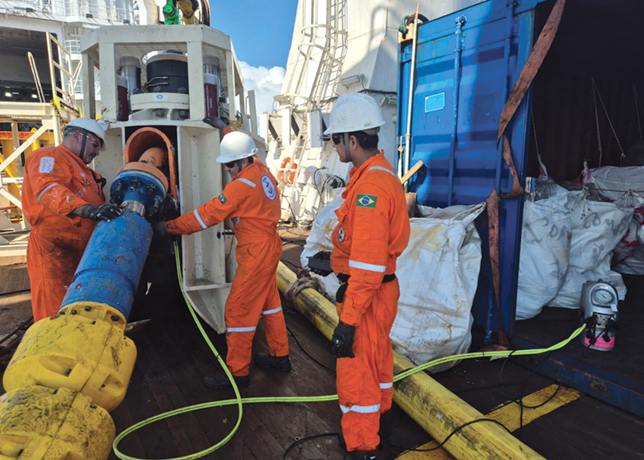
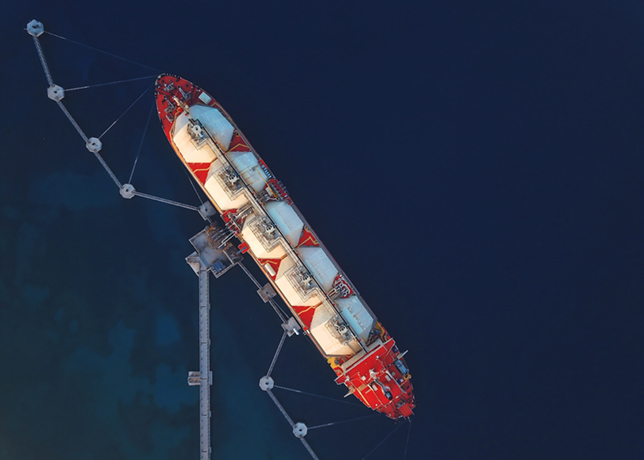
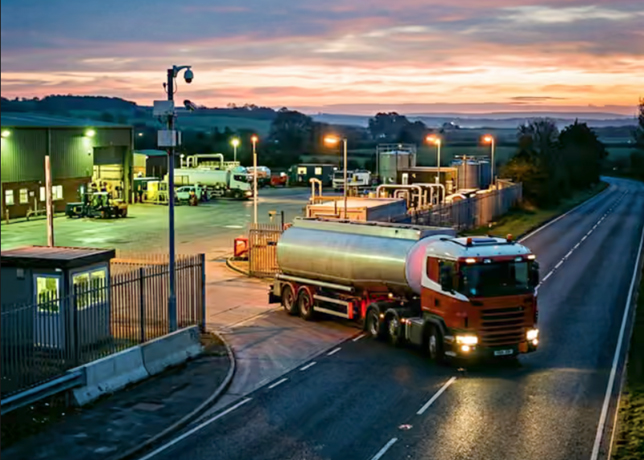
However, the production facilities remain incomplete due to the seizure in international waters of a ship that was transporting wellhead and downhole equipment to the project, Mehr says.
Iran is under international sanctions over its controversial nuclear programme. Western governments suspect it includes covert weapons development. The sanctions have especially targeted the country’s petroleum and banking sectors.
Iranian President Mahmoud Ahmadinejad officially inaugurated the latest South Pars production facilities in March, 2009. The project, developed by an international consortium, was already behind schedule at the time. When complete, South Pars phases 9 and 10 are slated to produce a combined 1.8 bcfd of natural gas and 80,000 barrels per day (bpd) of condensate. They would also produce 400 million tonnes of sulphur, 1 million tonnes of ethane and 1.05 million tonnes of other gas liquids annually.
Currently only seven out of 24 production wells are operating at the project site. Their combined output is less than 640,000 mmcfd. In May, Iran’s Pars Oil and Gas Company blamed “international conditions” for delays to South Pars phases 9 and 10.
According to Mehr, Iranian oil ministry experts estimate the delays are costing the country $3.5 million a day, based on the cost of gas Tehran imports from Turkmenistan at $140 per 1,000 cubic metres. Despite sitting on the world’s second largest gas reserves, official figures show that Iran was, until last year, a net importer of natural gas.
Iran is also foregoing $4 million per day in expected revenue from exports of gas condensates and more than $1.5 million per day in additional revenues from LPG and sulphur exports that cannot start until the project phases are completed, the government experts calculated. In total, the delay has cost Iran close to $3.3 billion per year, they say.
Despite an earlier announcement that the two phases would become operational in November, Hamidreza Katouzian, a member of Iran’s Parliament, recently projected that the project would be completed in 2012. The development is strategically important to Iran, which is seeking to develop gas exports and to increase its supplies of gas-derived petrochemical feedstock.


