













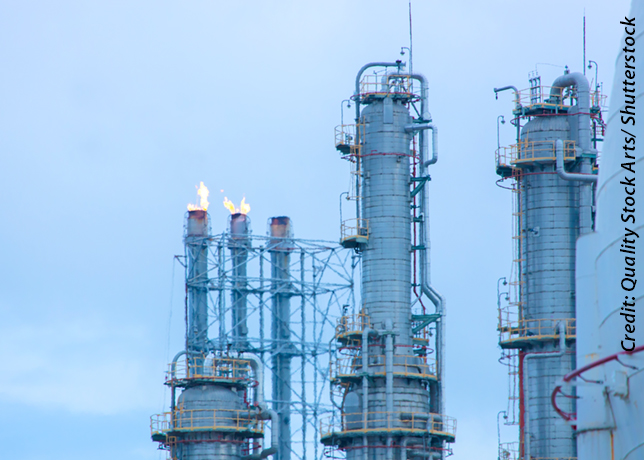






















Thai oil and gas firm PTT reported a less than expected 43 per cent rise in second-quarter net earnings, boosted mainly by lower inventory losses.
State-controlled PTT, the Asia-Pacific region’s third-biggest listed oil and gas firm by market value, posted a net profit of 12.3 billion baht ($393 million), up from 8.57 billion baht in the same three months of 2012.
The result, which was lower than the 36.1 billion baht in the previous quarter, missed the average forecast of 14.8 billion baht given in a Reuters poll of nine analysts.
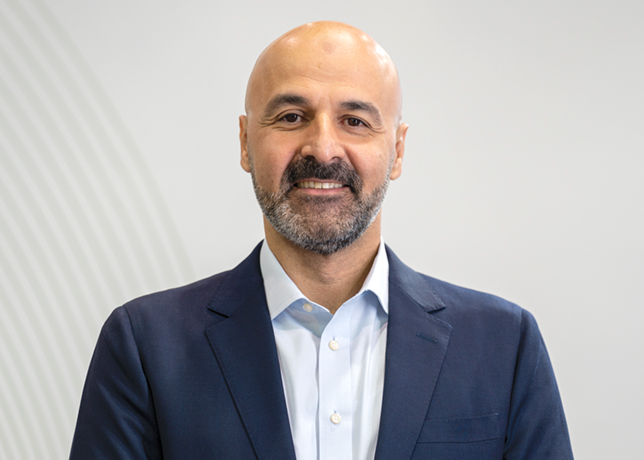
PTT’s new chairman Parnpree Bahiddha-Nukara, sees his mission as improving public relations at home by clearing up lingering misunderstandings of the business performance and monopoly issues of the country’s largest petrochemical conglomerate.
“It’s another turning point for PTT. The most important matter for PTT from now on is not only to make itself clear and understood by shareholders or to increase its global reputation, but also to make the organisation better accepted and recognised by the local people,” he said last week.
PTT has been successful in satisfying its individual shareholders and promoting its global image through overseas expansion, but has not been doing a good job in fostering good feelings among Thais, said Parnpree, who succeeded Vichet Kasemthongsri after he resigned. PTT’s board will meet with management on Saturday to set a five-year business direction for the company. PTT has dominated the local petrol market for a long time with a solid business foundation. The state-owed enterprise underwent privatisation in 2001.
The company achieved Bt2.7 trillion in sales last year. It has nearly 200 subsidiaries under its wing. PTT plans to seek energy opportunities in other markets especially Asean, where it already has joint ventures in Indonesia, Malaysia, Thailand, Myanmar, Cambodia and Vietnam. The move is not only to stabilise energy supplies but also to develop closer economic relations with neighbouring countries.