



























Poland’s deal to import liquefied natural gas (LNG) from Qatar could saddle eastern Europe’s biggest economy with some of the highest prices in the world, a steep bill for a country seeking to wean itself off Russian supplies and restart growth.
Based on current prices, the Qatari imports scheduled to start in 2015 would cost at least a third more than what Russia charges for deliveries to Europe, also creating a potential wild card for a government expected to face new elections.
“Poland will have to live with it and get prepared for minimizing losses,” said Andrzej Szczesniak, an independent oil and gas analyst. “It could resell the gas it receives from Qatar on the market, but probably at a lower price.”
Szczesniak estimated the Qatari price to be 40-50 per cent higher than that charged by Russian gas producer Gazprom senior energy executive in Poland suggested the premium was even higher.
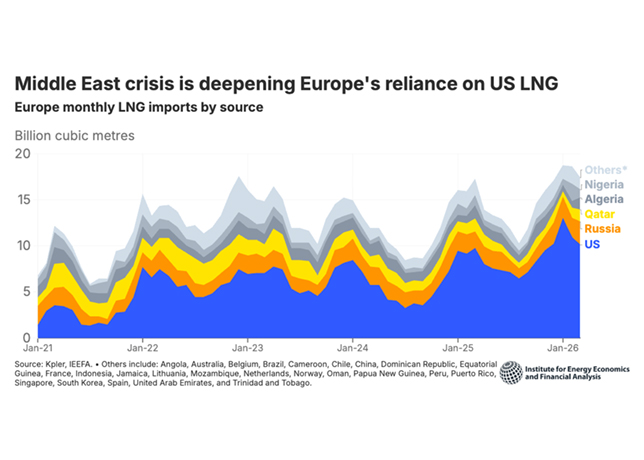
Poland and other central and southeastern European countries receive the bulk of their gas from Russia and are eager to reduce dependence on their former Soviet master.
The winter 2009 dispute between Russia and Ukraine that shuttered a major pipeline serving the region underlined the risk of relying on Russian deliveries and pushed governments to redouble efforts to find new suppliers.
“The geopolitical, non-economic reason is to release Poland from dependency on a single supplier that is unfriendly,” said Aviezer Tucker, who specialises in central and eastern European issues at the Energy Institute of the University of Texas.
“Unlike with piped natural gas, there is a global market for LNG.”
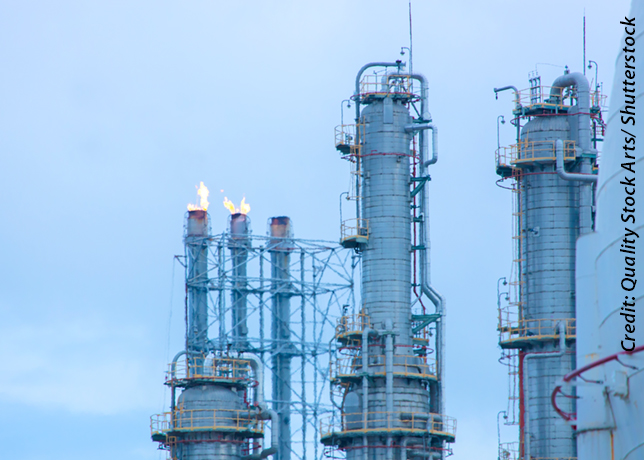
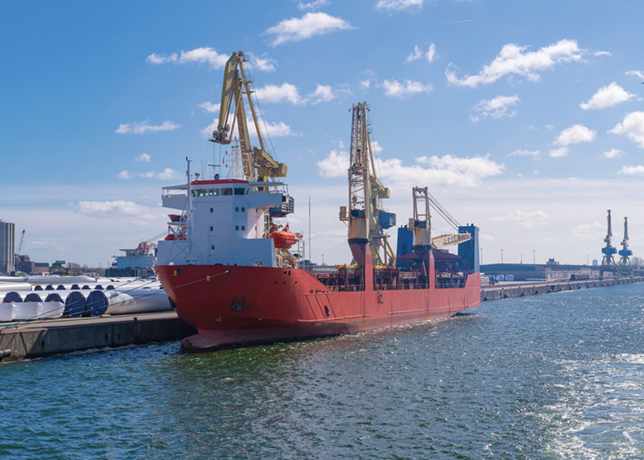
One new proposal is a pipeline system to transport gas from Poland’s new LNG terminal on the Baltic Sea and from another planned facility on Croatia’s northern Adriatic island of Krk. The 2.1 billion ($645 million) terminal under construction in the Baltic port of Swinoujscie is expected to be finished in the second half of 2014 with Qatari deliveries beginning in 2015.
