





























An oversupply of oil and a global virus pandemic may retard progress made by Kuwait Petroleum Corporation in the past year, but these aren’t circumstances it can’t weather
Kuwait's oil and gas sector got off to a great start this year after having kicked off some major projects and commissioning others last year. The crowning glory was the end to the five-year-old dispute with neighbouring Saudi Arabia over the shared Neutral Zone area.
At full capacity, the Neutral Zone will have an output of 550,000 barrels per day (bpd) or 0.5 per cent of world oil supply.
Kuwait is the fourth-largest producer within Opec with plans to raise production capacity to by 2040 to 4 million bpd.
Global events are, however, beginning to slow down some of the progress made. The state-run Kuwait Petroleum Corporation (KPC) last month announced cutting capital and operating spending. The announcement came as oil prices plummeted due to an oil glut after talks between the Organisation of the Petroleum Exporting Countries (Opec) to cut supplies broke down, coupled with a contravirus pandemic that has depressed global demand.
In January, the country approved the 2020/2021 budget with a huge deficit of $25.3 billion (15 per cent up on last year) for the sixth year in a row due to low oil prices. The budget assumes an oil price of $55 a barrel, Kuwaiti Finance Minister Mariam Aqeel Al Aqeel said.
Oil revenues are expected to account for 87.3 per cent of total revenues in the new budget.
 |
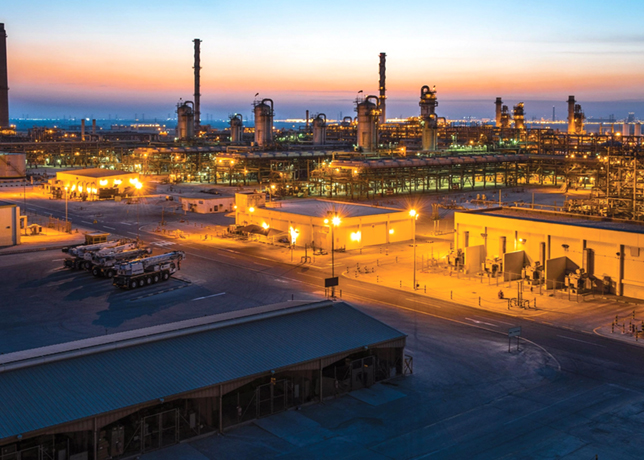
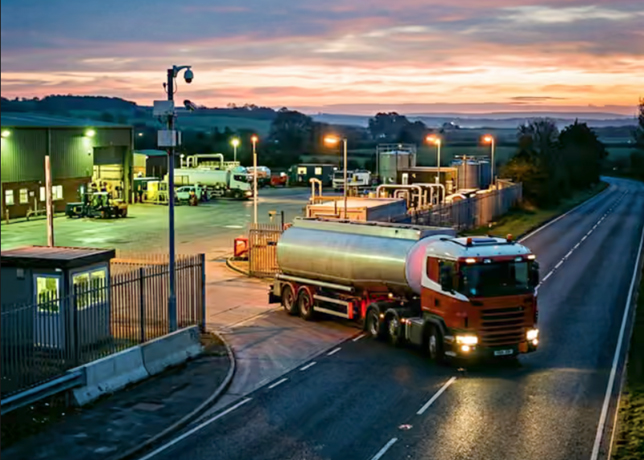
Al Zour is being built in five phases |
The International Monetary Fund (IMF) estimates that Kuwait’s financing needs will amount to some $180 billion over the next six years given the Gulf state’s 'modest' fiscal measures and expectations of lower oil prices.
Growth in Kuwait’s non-oil sector strengthened in 2019 but lower oil prices and output cuts weighed on its oil sector, resulting in overall economic growth of 0.7 per cent, down from a 1.2 per cent growth in 2018.
IMF expects Kuwait’s growth to stabilise to an annual rate of 2.7 per cent from 2021 to 2025, after growth of 1.5 per cent this year, basing its estimates on the assumption that oil prices would decline from $62 per barrel in 2019 to about $56 per barrel in 2023.
In December last year, KPC reported a 38 per cent decline in investments for the fiscal 2018-2019 compared to the previous year.
Nevertheless, Kuwait Oil Company (KOC), a KPC subsidiary, said it would maintain operations at production and other facilities despite the challenges. It announced plans in February to pump nearly $50 billion into hydrocarbon projects over the next five years.
KOC has pre-qualified 17 firms to bid for a contract involving the supply and installation of 24 drilling towers within a project expansion plan in the next five years, the Arabic language daily Alanba said, citing KOC sources.
In February, Kuwait commissioned its first heavy crude project and the largest of its kind in the Middle East in the north.
The Lower Fars heavy oil development programme will pump nearly 60,000 barrels per day and could feed Al Zour oil refinery in the south, the daily Alseyassah said.
Kuwait has also been looking to develop the Ratqa field in the north. A $4.2-billion contract for Ratqa that was awarded to Petrofac is expected to boost production to 60,000 barrels per day in the first phase, with plans to double capacity eventually.
Meanwhile, steady progress has been seen in the Neutral Zone, with both Saudi Arabia and Kuwait resuming output at the jointly-run fields of Khafji and Wafra. Other oil and gas fields in the zone include Lulu, Al Hout and Al Durra.
KPC has offered its first Khafji crude oil cargo from the Neutral Zone for export in April.
In January, both countries commissioned an international consultant to assess the share of gas for each country at the Durra offshore gas field.
Al Durra has an estimated 10-11 trillion cubic feet (tcf) of gas and around 300 million barrels of oil.
AL ZOUR
In December, Fluor Corporation said it had completed the entire module programme for the Al Zour project. Fluor is leading a joint venture to deliver two engineering, procurement, and fabrication and construction packages for key process support units, utilities and infrastructure for the project.
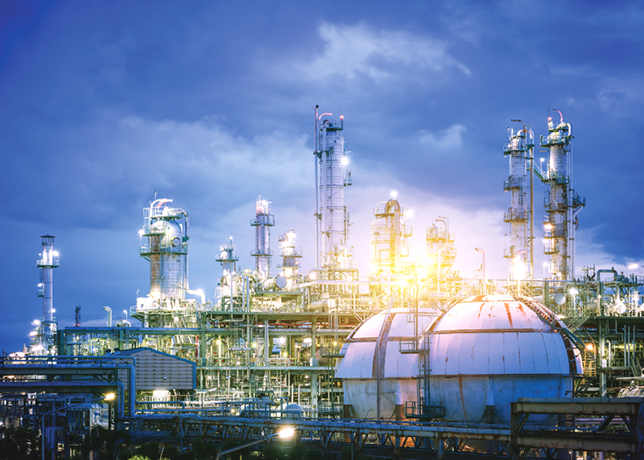
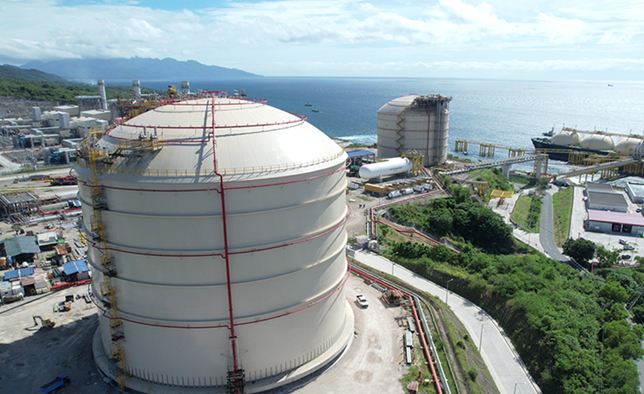
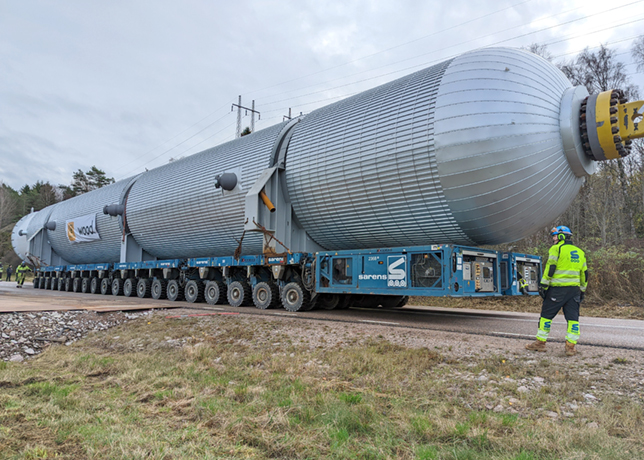
The integrated refining and petrochemical complex is being built in five phases at a cost of over $10 billion. Once complete, Al Zour in South Kuwait will one of the world’s largest oil refineries with an output capacity of 615,000 bpd, equal to 43 per cent of Kuwait’s total refining capacity. It is expected to be commissioned in mid-2020.
Al Zour will supply 225,000 bpd of low-sulphur fuel oil to the domestic power sector and will also produce jet fuel, kerosene and naphtha feedstock for chemical plants.
A $168-million maintenance contract was awarded early this year by KPC subsidiary Kuwait Integrated Petroleum Industries Company (KIPIC) to O’Connor Engineering and Construction Company of the US for power and instrument maintenance at Al Zour.
Previously in November, three maintenance awards worth $516 million were awarded to local firms.
KIPIC last year said it was seeking a strategic partner at a petrochemical project in Al Zour. Nearly 10 companies, including the French Total and SK of South Korea, have expressed interest.
KIPIC has also pre-qualified seven consortia to bid for $7-8 billion petrochemical complex, close to the country’s largest oil refinery in Al-Zour.
PRODUCTION OF GAS
KPC is expected to account for 8 per cent capacity share in the global liquefied natural gas (LNG) regasification industry from new projects between 2019 and 2023, according to GlobalData’s report.
The report reveals KPC has the highest LNG regasification capacity additions globally among companies with 1.2 tcf by 2023.
CLEAN FUELS & RENEWABLES
Kuwait will commission its clean fuel project (CFP) in September after 36 new production units at the Al Ahmadi and Mina Abdullah refineries were completed in five years. The units will be handed over gradually at an average of 5-8 units every month until all of them are fully operational by September. KNPC has borrowed nearly $10 billion to fund the CFP project.
In January, Larsen & Toubro of India won a $122-million contract to replace old substations at the Al Ahmadi oil refinery.
KNPC has several environmental fuel projects in the pipeline at Mina Al Ahmadi and Mina Abdullah refineries. In December, it started producing low-sulphur diesel production at Mina Al Ahmadi refinery’s at Unit 144, with a production capacity of about 45,000 a barrel of diesel daily. This falls in line with requirements and standards set by the International Maritime Organisation (IMO) that calls for reducing the percentage of sulfur in ship fuel from 2.5 to 0.5 per cent.
In September, KNPC launched Mina Abdullah’s first diesel production unit with a capacity of 73,000 barrels a day. The company plans to widen the scope of its environmental fuel production at its two refineries to reach a capacity of 800,000 barrels a day.
KPC’s CEO, Hashim, has said Kuwait possesses the largest production capacity for the hydrogen treatment of residual oil. He said KPC has made tremendous progress over methods and practices related to the treatment of residual oil. Hashim highlighted the need for the world’s largest oil refineries to overhaul their facilities as part of efforts to remain competitive for the long haul, as the growing needs of the oil market continue to change.
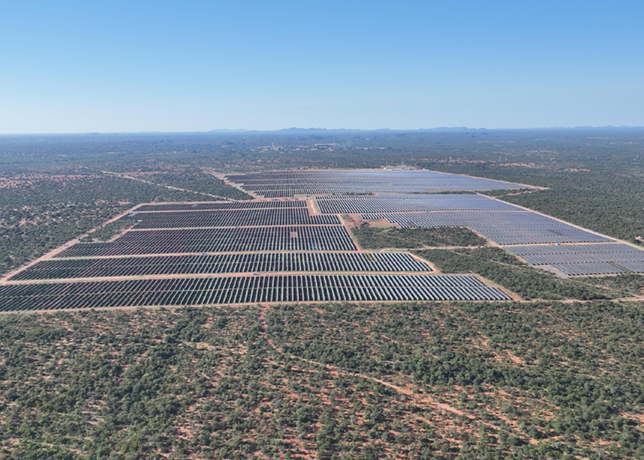
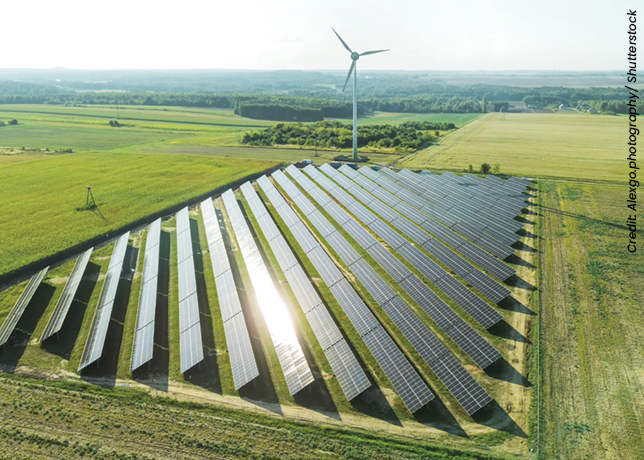
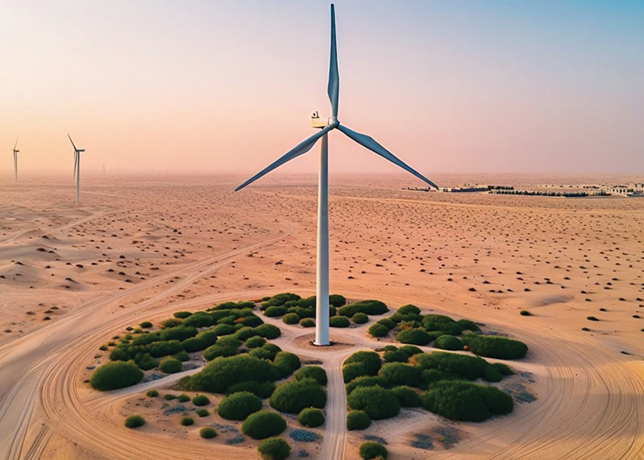
Kuwait is keen to generate 15 per cent of its energy needs from renewable resources by 2030, and has so far invested $604 million in the Shagaya renewable energy project. Developed over four phases, the park will have a total capacity of 4 gigawatts (GW) by 2030.
There are also plans to build a plant to turn plastic waste into petroleum products with a tender for consultancy services to be issued in May.
Meanwhile, UK-based Addfield Environmental Systems was awarded a major contract to set up a waste-to-energy plant with work said to start in February.
The plant is designed to process up to 1,000 kg of material per hour through a fully automated stepped hearth incinerator.


