












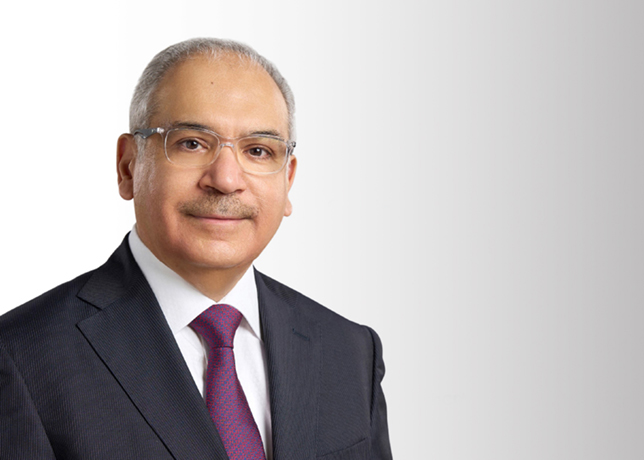






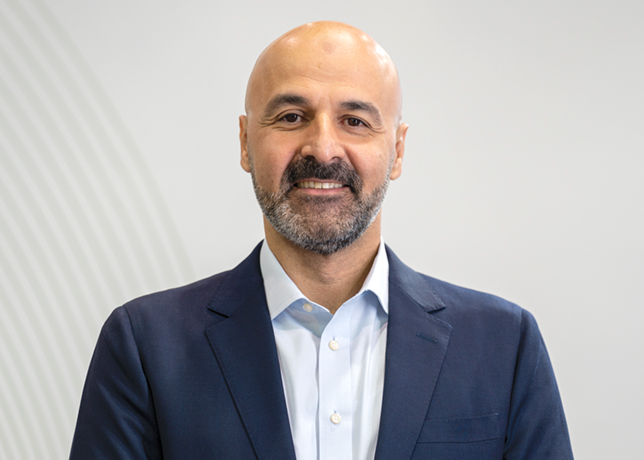
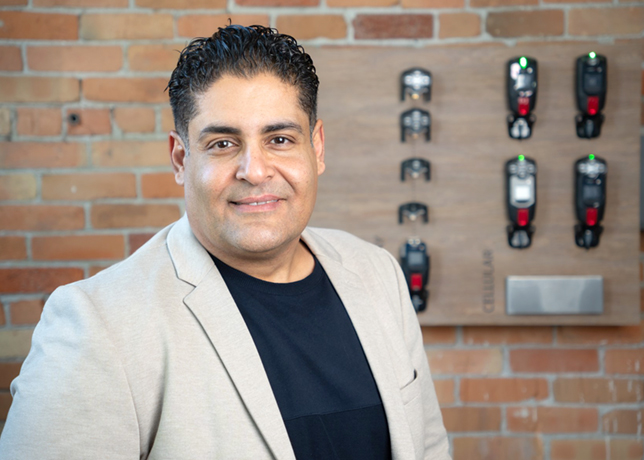


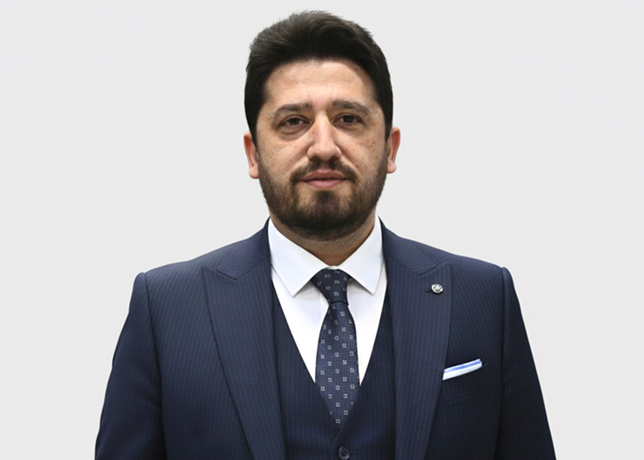
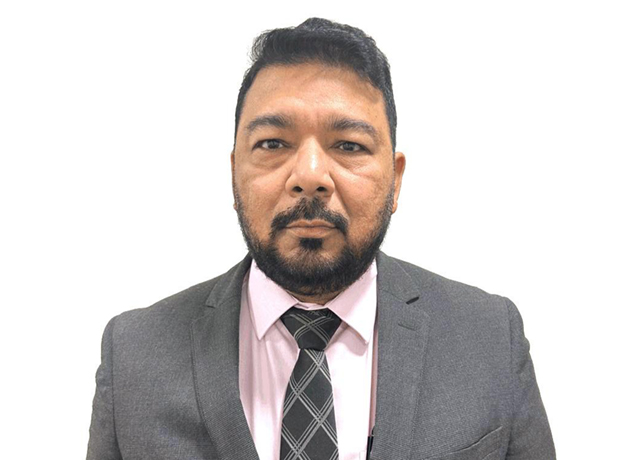



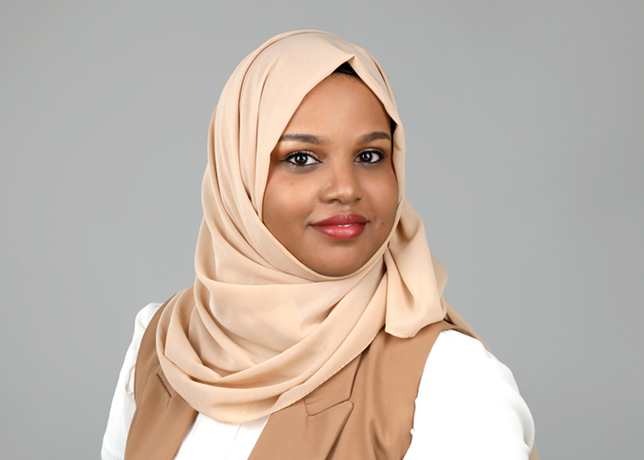




As the new CEO of the Oman Society for Petroleum Services (OPAL), Abdulrahman Al-Yahyaei, has big dreams for the society. Here he speaks to Abdulaziz Khattak of OGN and outlines some key aspects.
In 1998, some people in the oil and gas industry desirous of building local human capital for the oil and gas sector established the Oil Industry Training Board (OITP). The idea was to bring together everyone in the industry and find ways to develop programmes, put systems in place and develop frameworks and standards to prepare Omanis for the oil and gas industry.
OITP’s name was later changed to Oman Petroleum Alliance and that's where the word ‘OPAL’ came from. OPAL was officially registered on October 27, 2001 and called as ‘Oman Society for Petroleum Services’. But the OPAL brand name was kept.
So in summary, OPAL is a nonprofit organisation focusing on the energy sector. It is also the only society in Oman to have companies as members rather than individuals, Al-Yahyaei says.
Excerpts from the interview:
What are the vision and mission statements of OPAL?
Our vision is to become the valuable voice of Oman’s energy sector and inspire capable and resilient businesses to sustain prosperity. And our mission is to serve our member companies by promoting synergies, added value creation, and capacity building.
How does OPAL help the energy industry and people working in the sector?
OPAL does this through four key focus areas:
Valuable voice of the industry: Here we conduct research, recommend viable policies to address the challenges facing the sector, and tackle common issues affecting businesses. We also represent member companies in the government and relay their concerns to the authorities.
Sustainable local content: We promote local content to sustain prosperity of our member companies, energy sector and Oman’s economy. We also facilitate the capability development of the Omani workforce at all levels. We do training for development through programmes that are funded by the government, ministries, and even the operating companies.
Sustainable business practices and common standards for the industry: We promote best practices for HSSE management, quality management, quality products and services, best practices for human capital development and management, and business ethics and code of conduct. For example, we have the annual ‘OPAL Best Practice Award’ for which our member companies compete in several categories, including operational excellence, HSE, Omani products, and Omanisation. We also run competitions for companies to showcase their projects to the industry.
Greater synergy across the industry: Here we facilitate sharing valuable information across the sector. As an example, during the ongoing Covid-19 pandemic, we have established an HSE committee, where executives from operating companies get together to address issues related to the pandemic. The committee has established many best practices guidelines, which are shared with all member companies and the industry.
We also promote collaboration and business opportunities among member companies and highlight through various forums. Our plan for 2020 is to conduct 10 local engagement forums for our members and 4 international forums. We managed to conduct three at the beginning of the year, but unfortunately, because of Covid-19, we decided to postpone the other engagements. That’s said, we still continue organizing engagements forums through virtual channels with our members though.
What are some of the milestones OPAL has achieved over the years?
I would like to highlight two here: One is promoting best practices for human capital development and management; and the second is promoting best practices for management of QHSE (Quality, Health, Safety and Environment Management).
With regard to QHSE, you would know that there is more than one operating company in Oman and each one with its own standards. And you have to follow these standards to do business with them. This means spending money on training and certifications in these different standards. What OPAL did was to get everyone at the same table and said, let's develop one standard across the board.
By doing so we save money for our contractors and member companies that can work everywhere using a unified standard. So far we have developed six standards, including those for camps, road safety, drugs and alcohol, heat stress, incident sharing, dropping objects, and have had operating companies sign them.
These are very comprehensive standards. For instance, in road safety, with the standardised OPAL approved permit, a driver can drive in the concessions and camps of all operating companies.
OPAL has also managed to develop and implement many national occupational standards for the energy sector. For this achievement, late last year we were awarded as the first society ever in Oman to host a Sector Skills Unit, similar to the Sector Skills Council in Europe. This unit will also be responsible to map competencies, job descriptions, develop training and apprenticeship programmes.
We are known to be the organization that facilitates all training for employment opportunities in the industry. Throughout the years, OPAL has trained and developed more than 10,000 Omanis and secured jobs for them.
What are OPAL’s strategies for on-the-job training of Omani trainees/employees?
OPAL has been playing a key role in enforcing on-the-job training in all our training and apprenticeship programmes.
The society develops these programmes in-house with the support of subject matter experts from the industry. So our programmes are developed precisely for the industry as per demands.
Which key collaborations/MOUs has OPAL signed recently?
OPAL signed two agreement in the last couple of weeks. One was with the Japanese company Mitsui to enhance the employability of fresh graduates. We signed another with Total to fund Covid-19 tests.
We are also actively working with the Ministries of Oil and Gas, and Manpower to address the issues of the impact of Covid-19 and low oil prices on the Omani workforce.
How much Omanisation has been achieved in Oman's oil and gas sector?
Currently, Omanisation in the oil and gas industry is around 65 per cent, mostly in highly technical fields, which is very good achievement. This varies, of course from company to company. Most oil field services companies have over 80 per cent Omanisation.
However, we are still struggling to fill middle management and technical roles with Omanis because this takes more time, a higher level of education and extensive experience. But it's not something we cannot overcome.
We also have a good number of Omani women in the oil and gas industry. Here at OPAL, our team is 50 per cent women.
We also see Oman women taking up the hard jobs as well, with many are taking up two-week rotation jobs.
What are the challenges in localisation of products and services and what steps are being taken to overcome them?
Some of the challenges include the long time taken by companies to market their products and services; too many manual processes and lack of digital systems; lack of support for SMEs; and strong price competition from imported products or services.
To encourage localisation, companies are bound to allocate 10 per cent of their contract value to SMEs when they are awarded the contracts. This is part the ICV (in-country value) strategy.
The Ministry of Oil and Gas and especially Salim bin Nasser al-Aufi, the Ministry’s Undersecretary, is putting a lot of efforts to ensure the industry complies with ICV strategies.
Companies are encouraged to open manufacturing facilities in Oman. An example is Schlumberger’s manufacturing facility. This helps in transfer of technology.
As OPAL’s new CEO, what is your vision and strategies for the Society?
An area I have been working hard on is to make OPAL a member-centric organisation. Previously, many of our members left OPAL because they did not see any value. But we turned the tables and now have more members. By the end of last year, we had 400 member companies with many more approaching us to become members. Our focus is our members. That's why I came up with the engagement workshops to ensure we don't lose our members.
Additionally, we need to create products and services to retain members, and especially since our members have a diverse spectrum of primary activity serving the industry, including suppliers, accounting firms, medical firms, marine, manufacturing, engineering, drilling and well services, and construction.
To be able to immediately address issues of members, we are establishing a call center and a hotline, and transforming OPAL's website to offer our members more interaction and services online.
To curtail OPAL’s losses, I aim to make OPAL self-sustaining. This will be done through products and services offerings.
We also aim to generate revenue through accreditation of training institutes. After auditing these institutes, we rate them according to the OPAL STAR into three main categories: gold, silver or bronze. People in the energy industry and even other sectors are trusting us and rely on institutes that have been recognised by OPAL.
To cut down on spending, we managed to get land from the government for our own building to save us from paying rent. OPAL has renting an office for the last 19 years. The new place we hope will be ready in three to four years.
Additionally, I want to create more HSE standards for the industry. On the standards front, I want OPAL to become the go-to accreditation body to certify your processes. And we have made good progress in the last six months.
How will the current pandemic reshape the oil and gas industry in Oman? What are the lessons learnt?
I think this pandemic will reshape the energy and other industries in many ways. One way is that it’s forcing companies to think about digitalisation. Most of the companies in the energy industry are operating entirely from home. This means they are capable to run their businesses from home. In a way, this is Covid-19’s positive impact on the industry. Also, we will see the enforcement of business continuity and disaster recovery plan as well as more diversified and transparent supply chain in which they will need to think about localising some of their core business so that they rely less on imports in case of border shutdowns. You have to learn to rely on your own resources. Finally, we will see more requirements for real-time communication vehicles.
What help have you provided to the industry during the pandemic?
Since the beginning of the Covid-19 pandemic, we supported our member companies in organising repatriation flights of their expatriate employees. We collaborated with the respected embassies and the Supreme Committee to organise more than 16 flights so far, to places such as the UK, India, Pakistan, the Philippines, Egypt, Bangladesh, etc. We have raised funds from the industry to conduct Covid-19 tests. We have also created many Covid-19 guidelines. In fact, we have created more guidelines in the last three months than the total number in the last two years.
What are your views on the Sultanate’s Vision 2040 with regard to the energy sector?
As enshrined in the Vision 2040, there is a need for rehabilitation of the national workforce in the oil and gas sector by creating high quality job opportunities. This can happen by enforcing the highest local and international standards in the industry.
Also, various work standards and specialised training need to be developed for young Omanis in addition to conducting research on skills required in the sector 5-10 years from today.
A key aspect of the Vision 2040 relevant to the energy sector is renewables. We definitely will not rely on the hydrocarbons for the rest of our lives, so diversification of the energy and energy transition have to be considered.
In fact, OPAL’s theme for this year is ‘Energy Efficiency’. And we have initiated projects that reflect the theme.
OPAL is aligned with the Vision 2040 in many aspects. Some of our team members are on the Vision review committees.


