



























Many have been insisting for years that if investments continued to fall, supply would lag behind demand, impacting markets, the global economy, and people’s lives, said the Aramco CEO
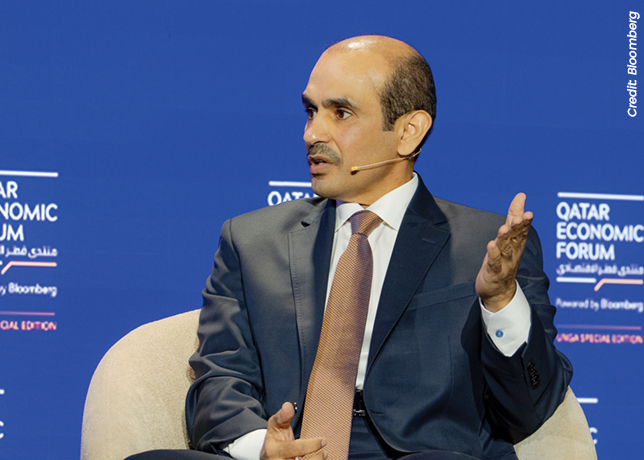
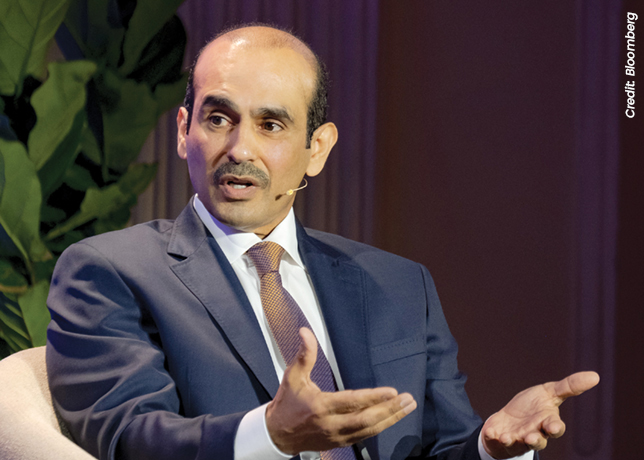
Saudi Aramco CEO Amin Nasser’s ominous ‘prediction’ about the global energy crisis drawing out is yet again a case by the Kingdom for more investment in oil and gas, a stance backed by other global oil producers.
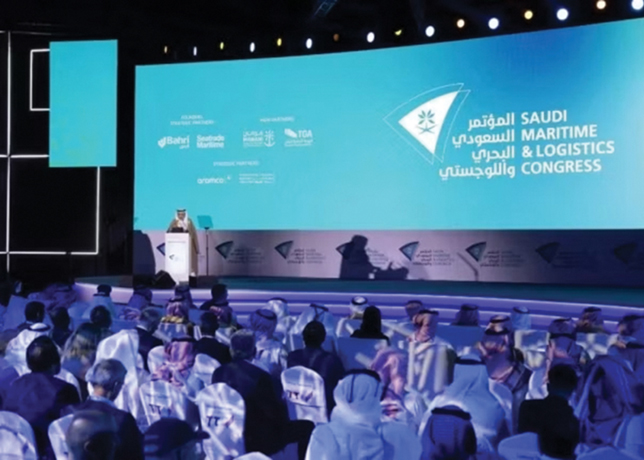
Speaking at the Schlumberger Digital Forum 2022 in Luzern, Switzerland, last month, he said there was "little hope of ending the crisis anytime soon".
Nasser said the "warning signs in global energy policies were flashing red for almost a decade", and deplored the response.
Oil and gas investments crashed by more than 50 per cent between 2014 and 2021, from $700 billion to a little over $300 billion.
Equally concerning is that oil fields around the world are declining on average at about 6 per cent each year, and more than 20 per cent in some older fields last year. At these levels, simply keeping production steady needs a lot of capital in its own right, while increasing capacity requires a lot more.
Meanwhile, oil inventories are low, and effective global spare capacity is now about one and a half percent of global demand.
Turning to the issue of energy transition, he said it had "undermined by unrealistic scenarios and flawed assumptions because they have been mistakenly perceived as facts".
"For example, one scenario led many to assume that major oil use sectors would switch to alternatives almost overnight, and therefore oil demand would never return to pre-Covid levels," he said.
But of all the assumptions about oil and gas, Nasser said the lack of a back-up plan (to energy transition) was the most damaging.
"Because when you shame oil and gas investors, dismantle oil- and coal-fired power plants, fail to diversify energy supplies (especially gas), oppose LNG receiving terminals, and reject nuclear power, your transition plan had better be right," he said.
"Instead, as this crisis has shown, the plan was just a chain of sandcastles that waves of reality have washed away. And billions around the world now face the energy access and cost of living consequences that are likely to be severe and prolonged," he added.
Nasser dismissed the fact that the Ukraine conflict had intensified the effects of the energy crisis, and said Europe’s capping of energy bills might help consumers in the short-term, but it is not the long-term solution.
And while he categorially lent support to global climate goals, he suggested investments in both conventional and alternative energy sources would be a much better response to this crisis.
The CEO called for a new global energy consensus built on three rock-solid and long-term strategic pillars:
• Recognition by policy makers and other stakeholders that supplies of ample and affordable conventional energy are still required over the long term.
• Further reductions in the carbon footprint of conventional energy, and greater efficiency of energy use, with technology enabling both.
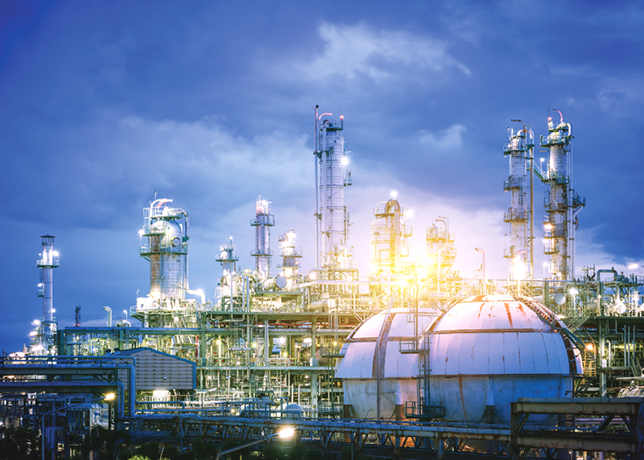
Aramco is working to increase its oil production capacity to 13 million barrels per day by 2027. It is also planning to increase gas production by more than half through 2030 with a mix of conventional and unconventional gas.
Meanwhile, chemicals will become a much larger and more strategic part of Aramco’s portfolio, showcasing the non-combustible uses of oil.
