
















































Britain lifts ban on fracking for shale gas
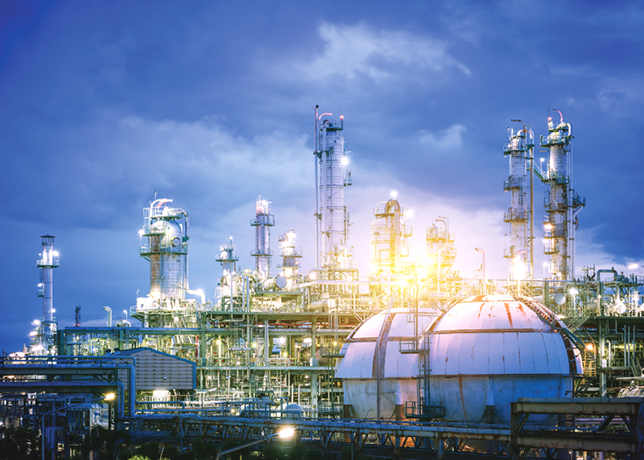
LONDON: Britain formally lifted a moratorium on fracking for shale gas that has been in place since 2019, saying strengthening the country's energy supply was an "absolute priority".
Business and Energy Secretary Jacob Rees-Mogg said all sources of energy needed to be explored, "so it's right that we've lifted the pause to realise any potential sources of domestic gas".
The government said that ending the ban would allow drilling to restart and more data to be gathered, building an understanding of how shale gas can be safely extracted where there was local support.
Germany nationalises power utility
BERLIN/HELSINKI: Germany confirmed struggling gas importer Uniper's nationalisation, adding another $7.9 billion to its rescue as Berlin scrambles to secure power for Europe's largest economy after Russian supply cuts.
Nationalising Germany's largest importer of Russian gas by the government to take control of an energy business and is part of a wider European response to the winter crisis, including France taking over EDF.
Germany has also taken control of a Russian-owned oil refinery, which supplies 90 per cent of the capital's fuel, putting a Rosneft unit under the trusteeship of the industry regulator and taking over the Schwedt plant.
Uniper burned through its cash buying alternative supplies after Moscow cut gas flows to Germany, triggering a 15 billion euro state rescue package in July. Germany will now inject yet more cash.
KSA plans five renewable projects
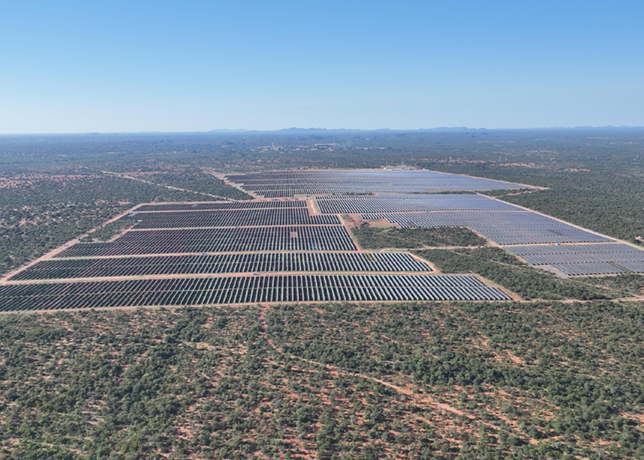
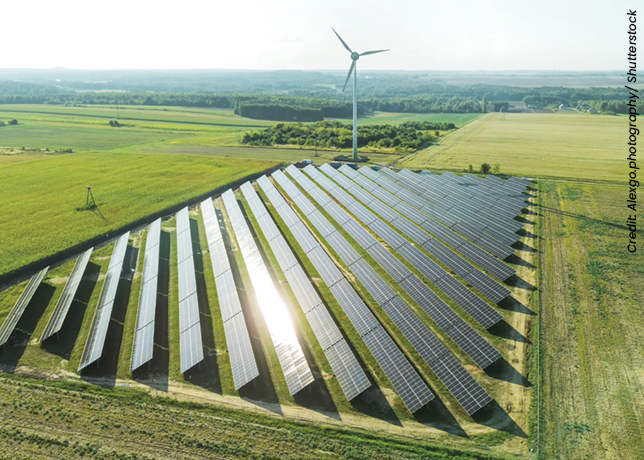
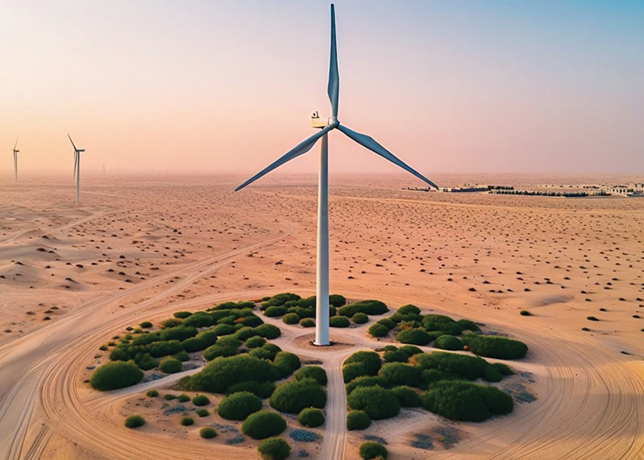
RIYADH: The Saudi Power Procurement Company (SPPC) plans to float five new renewable energy projects across the kingdom with a total capacity of 3,300 MW as part of the fourth phase of the kingdom's National Renewable Energy Program's projects.
Of these projects, three will be utilising wind energy to produce electricity, while the other two will make use of solar energy, stated SPPC, which is the principal buyer. The Saudi group said once operational, the total production from these wind energy projects will hit 1,800MW (Yanbu facility output at 700MW, the Al Ghat plant at 600MW and Waad Al Shamal at 500MW), while the total production from solar projects will hit 1,500MW, distributed through its 1,100MW Al Henakiyah project and 400MW Tubarjal project.
Petrofac secures Adnoc field contract
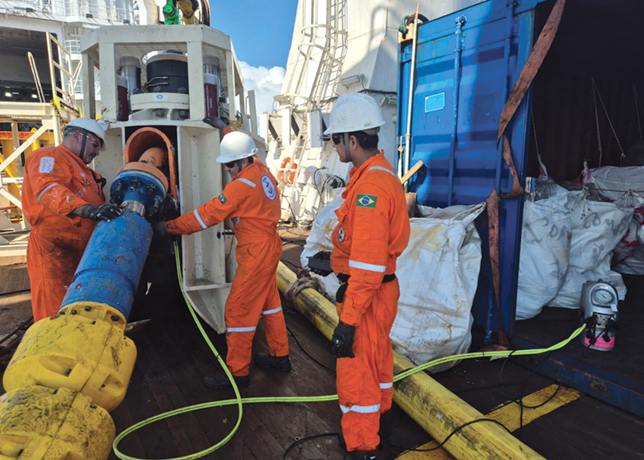
ABU DHABI: Petrofac, a leading provider of services to the global energy industry, has been awarded a two-year field maintenance services contract extension with Abu Dhabi National Oil Company (Adnoc) Group’s, Al Dhafra Petroleum in the UAE.
Under the agreement, Petrofac will continue to support operations at the Haliba oil field, located onshore along the south-east border of Abu Dhabi, providing specialist personnel to maintain and support facilities.
Haliba oil field is at the forefront of Adnoc’s development activities and plays an integral part in achieving ADNOC’s 2030 smart growth strategy of expanding their oil production capacity.
IEA to track energy financing costs
PARIS: The International Energy Agency (IEA) and several partners have launched a new tool to track financing costs for energy projects around the world with the aim of identifying and addressing risks that have impeded vital investment flows to emerging and developing economies.
The Cost of Capital Observatory was developed by the IEA together with the World Economic Forum, ETH Zurich and Imperial College London. It will be hosted on the IEA’s website and regularly updated with new data, analysis and features.
The IEA estimates that global clean energy investment will increase by more than 10 per cent in 2022 to reach a total of $1.4 trillion.
Nations to boost hydrogen output
TOKYO: More than 20 countries, led by Japan, have agreed to boost output of low-emission hydrogen to at least 90 million tonnes a year by 2030 from 1 million tonnes now, the Japanese industry ministry said.
The agreement between countries including the United States, Australia and Germany came at the Hydrogen Energy Ministerial Meeting in Tokyo.
Many countries, including resource-poor Japan, are facing a historic energy security risk following Moscow's invasion of Ukraine, with the threat of gas supply disruptions at a time when global supply is tight and spot prices are sky-high. Hydrogen is seen as the future green fuel of choice and key to decarbonising industries that rely on coal, gas and oil.
