












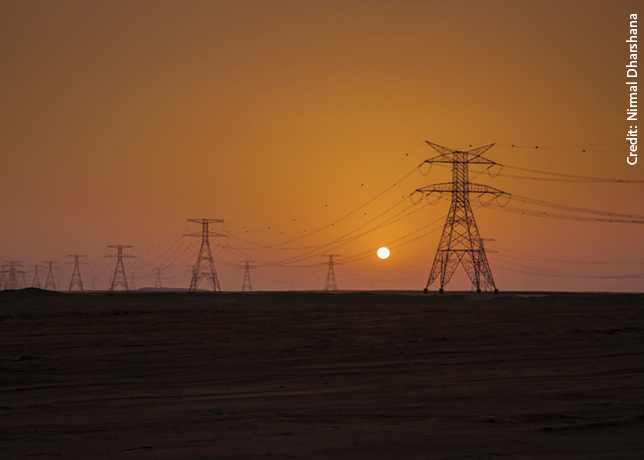
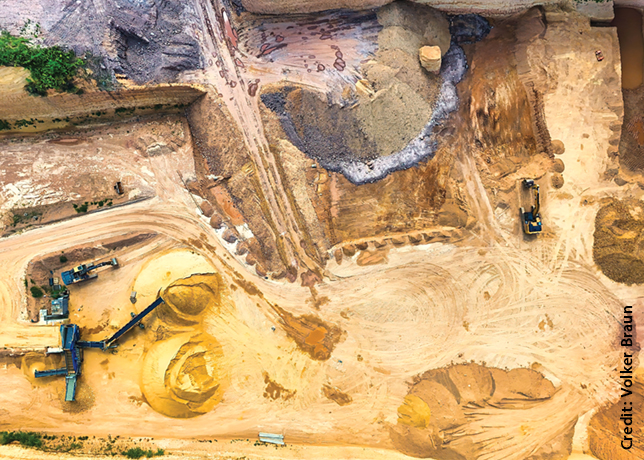
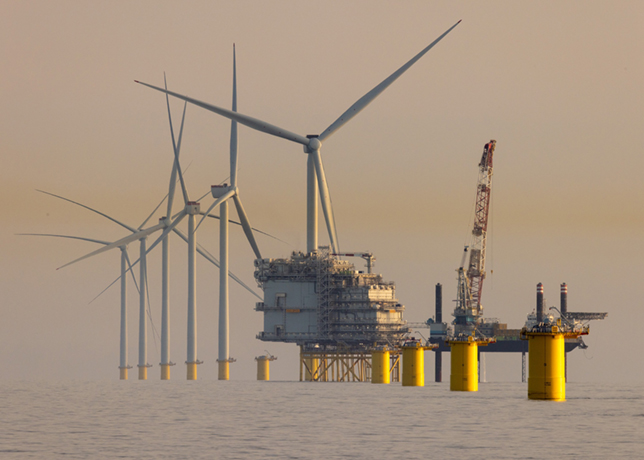
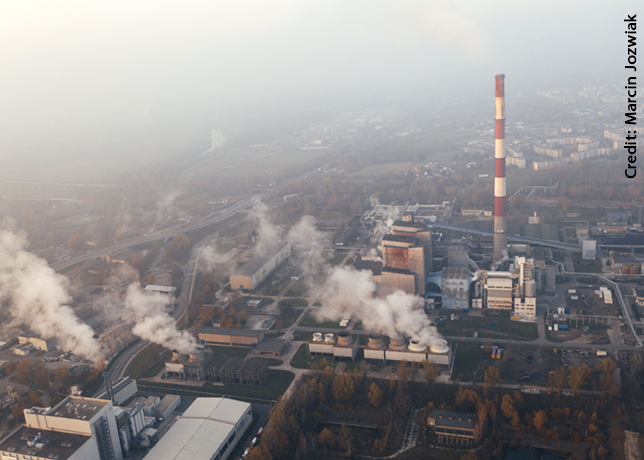
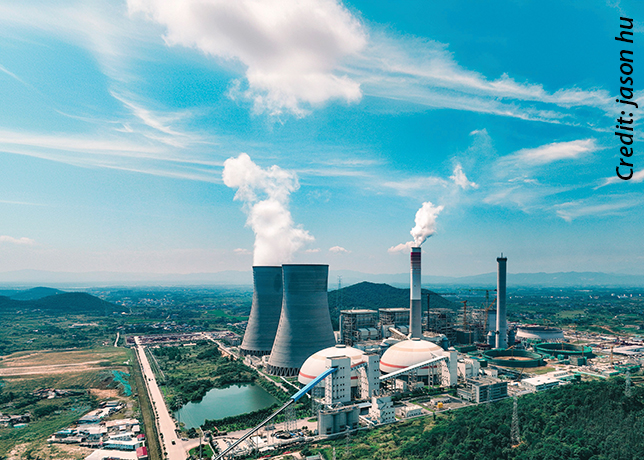













The global thermal management architecture is undergoing a significant transformation as heavy industries, power generators, and infrastructure developers align operations with tightening emission standards and energy security imperatives.
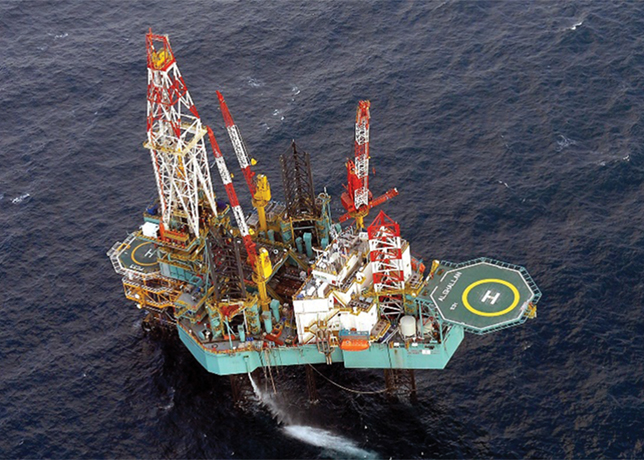
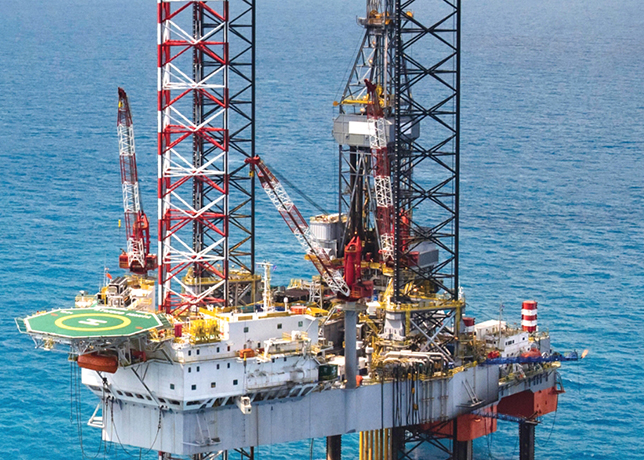
This structural demand spans multiple core sectors, including chemical processing, oil and gas, power generation, marine engineering, and heating, ventilation, air conditioning, and refrigeration.
As cross-industry modernisation trends intensify, the requirement for robust systems capable of operating under extreme temperatures, high pressures, and highly aggressive environments becomes central to industrial sustainability and asset optimisation.
According to market data published by MarketsandMarkets and InsightAce Analytic, the global heat exchanger market is expanding rapidly, with valuation estimates tracking from $23.95 billion in 2025 to $33.52 billion by 2030 at a compound annual growth rate of 7 per cent, whilst extended forecasts predict the market will reach $39 billion by 2035.
This sustained capital deployment is heavily concentrated across distinct geographical areas.
North America currently commands a leading position, driven by a dense concentration of commercial building construction, office expansions, and public infrastructure projects that require advanced, affordable heating and cooling solutions.
Simultaneously, the European market remains heavily influenced by some of the most stringent environmental mandates globally, prompting operators to implement advanced systems to minimise carbon footprints and ensure strict regulatory compliance.
Meanwhile, the Asia-Pacific region is experiencing the highest rate of industrialisation and urban growth, resulting in substantial investments in manufacturing infrastructure and electrical generation capacities.
The integration of thermal transfer units is directly correlated with macroscopic project activity and industrial expansion across emerging economies.
Rapid urbanisation continues to funnel capital into large-scale commercial real estate, retail developments, and public buildings, which in turn escalates the deployment of high-capacity heating and cooling frameworks.
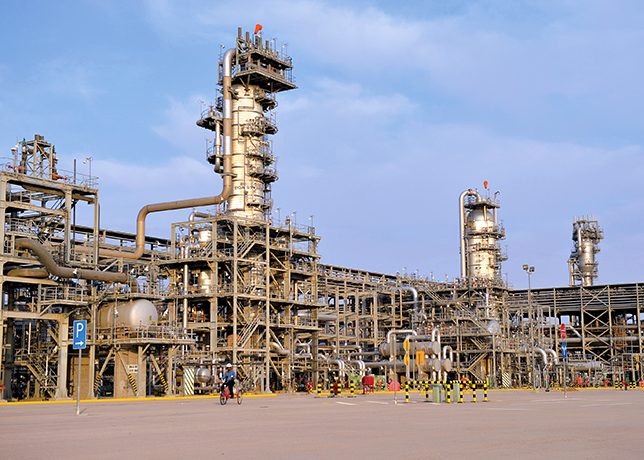
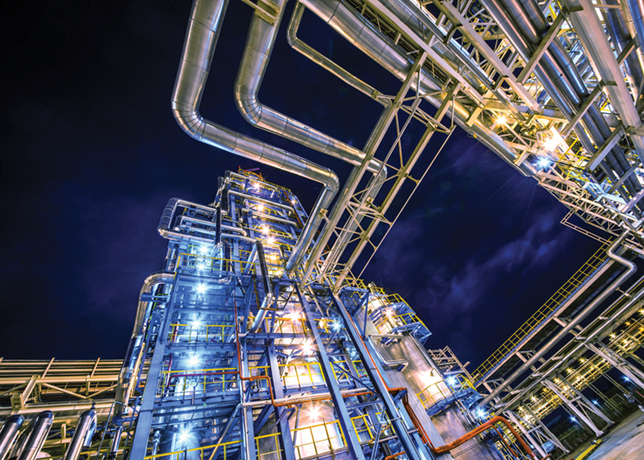
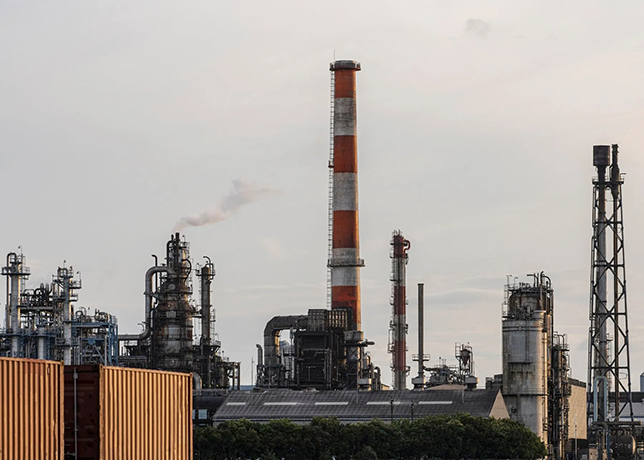
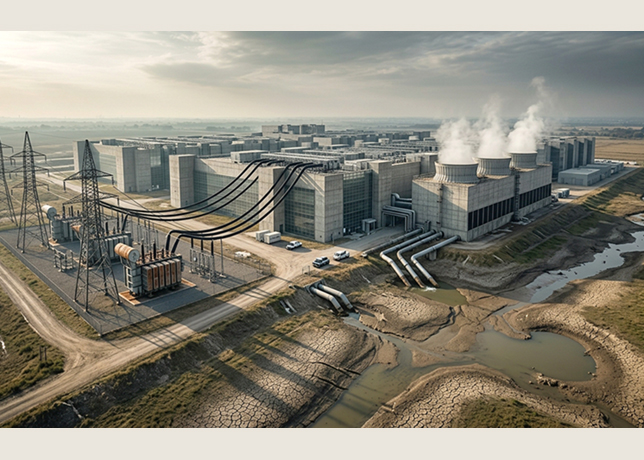
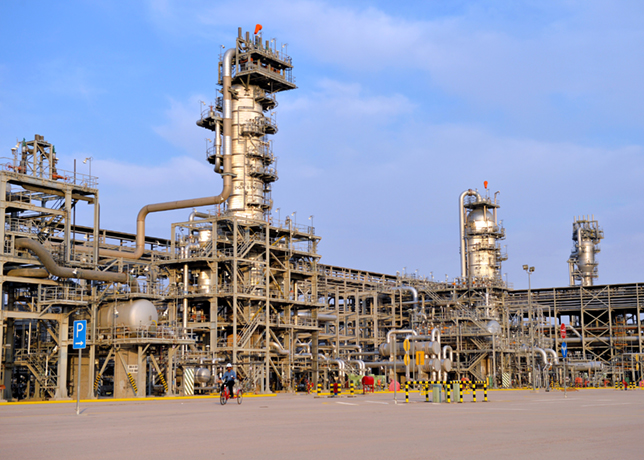
In the industrial sector, the proliferation of chemical manufacturing plants, desalination facilities, and traditional power generation assets relies on continuous infrastructure spending.
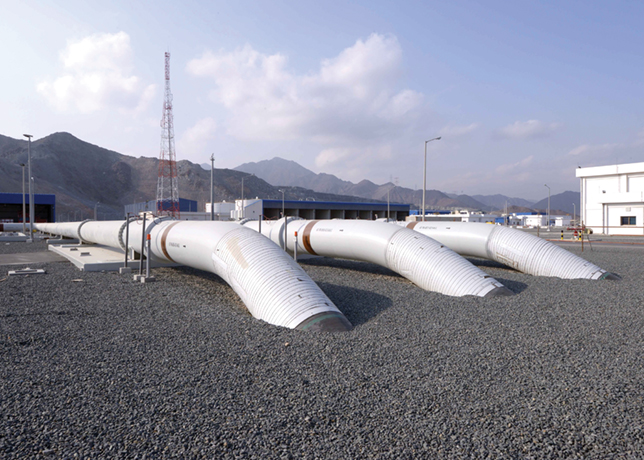
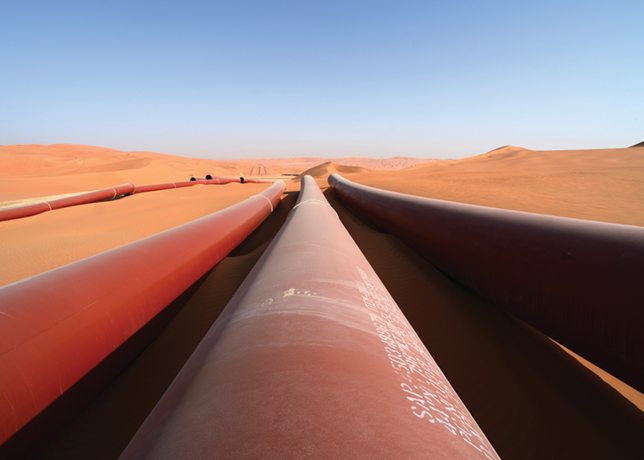
These facilities use extensive networks of fluid transmission pipes to maintain precise process controls.
Key industrial manufacturers, including Alfa Laval, Kelvion, Xylem, and SPX Corporation, are actively expanding their portfolios to meet these regional project requirements, offering versatile configurations that can tolerate extreme operating pressures and heavy mechanical stresses without compromising thermal conductivity.
MATERIAL SELECTION & STRUCTURAL SEGMENT DYNAMICS
Technical engineering choices remain heavily segmented by material composition and structural configuration.
Metals represent the largest and fastest-growing material classification due to superior mechanical strength and long-term durability.
Stainless steel is extensively specified for chemical processing, pharmaceuticals, and food and beverage production owing to its high strength and natural resistance to corrosion.
Copper remains the preferred material within standard commercial refrigeration and climate control systems due to its exceptional thermal performance.
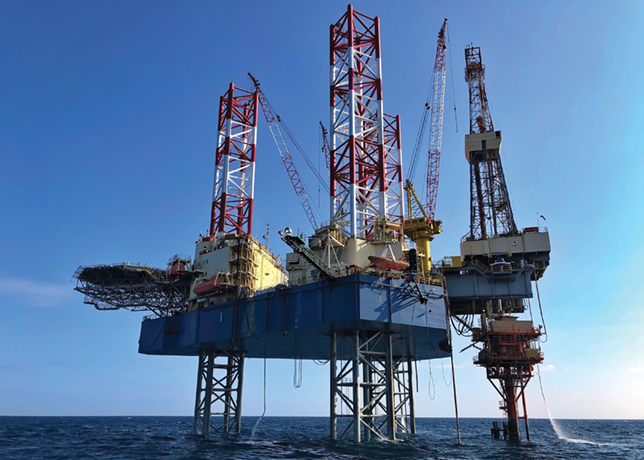
For highly specialised or aggressive operations, such as seawater desalination plants and marine applications, titanium is increasingly deployed despite higher upfront acquisition costs, because it provides unparalleled resistance to aggressive chemical attack.
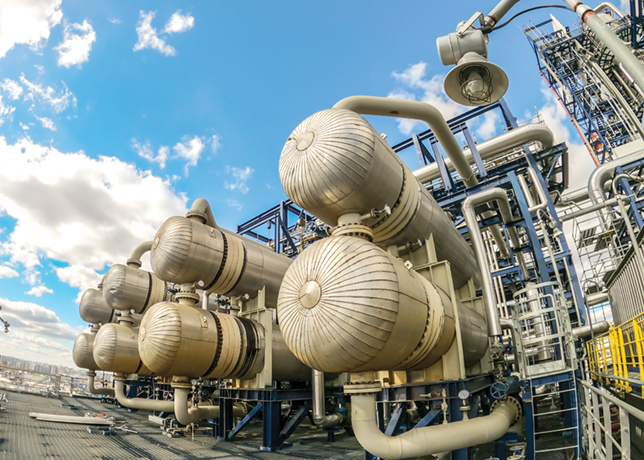
In terms of physical configuration, shell and tube designs continue to lead the broader market.
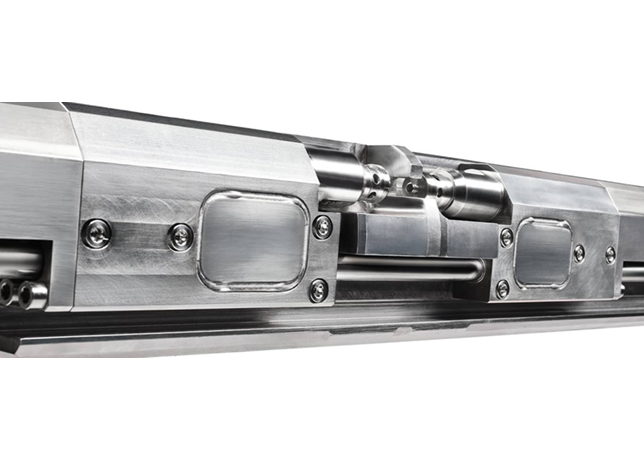
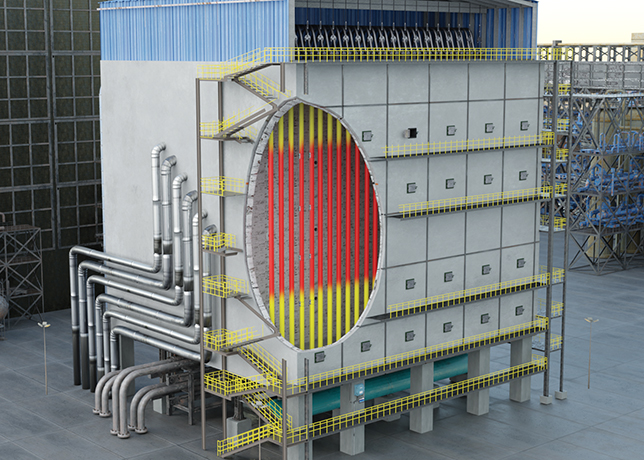
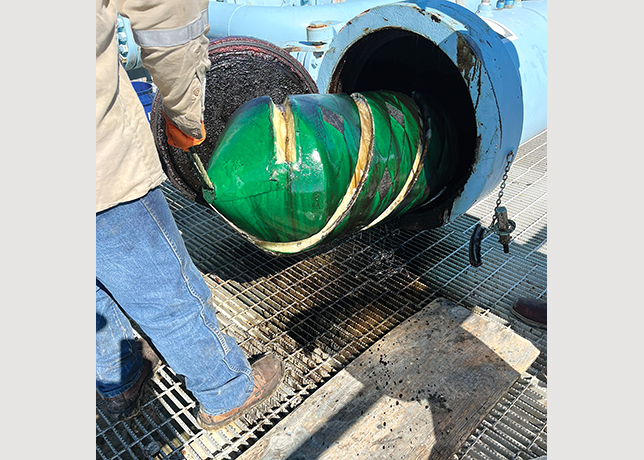
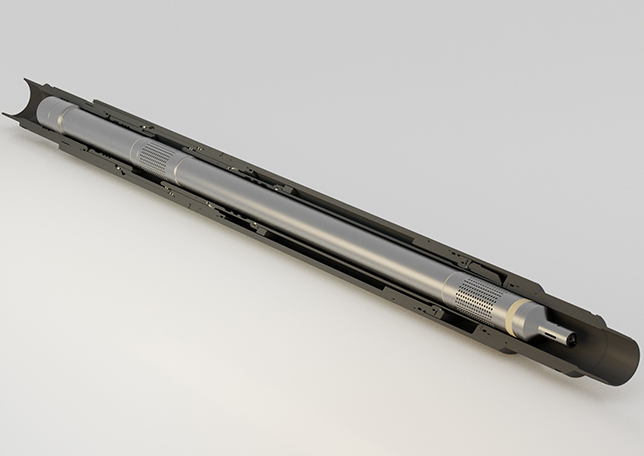
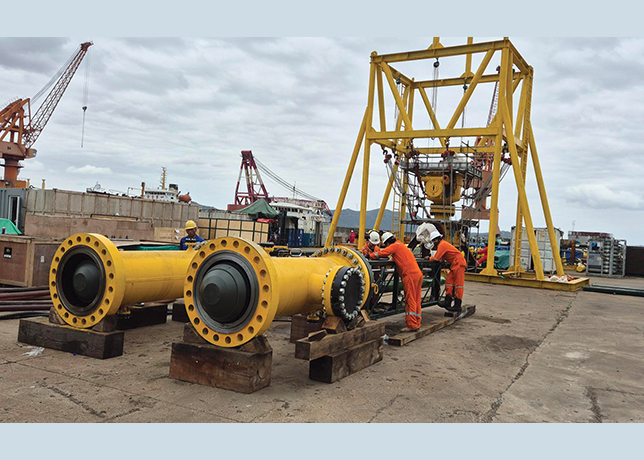
This architecture features a series of internal tube bundles enclosed within a heavy cylindrical outer shell, moving fluids in either parallel or counterflow arrangements.
This robust layout allows industrial plants to manage extensive temperature differentials and high-pressure differentials efficiently, whilst allowing straightforward mechanical disassembly for routine cleaning, maintenance, and structural repair.
Concurrently, plate and frame configurations are experiencing increased adoption within compact spaces, utilised alongside newer component variants designed for specialised cooling and refrigeration cycles.
STRATEGIC DECISION DRIVERS & OPERATIONAL BOTTLENECKS
The operational decision-making matrix for industrial executives involves balancing regulatory adherence against significant cost limitations.
Strict government emission standards and energy efficiency rules serve as the primary catalysts for modernising older facility hardware.
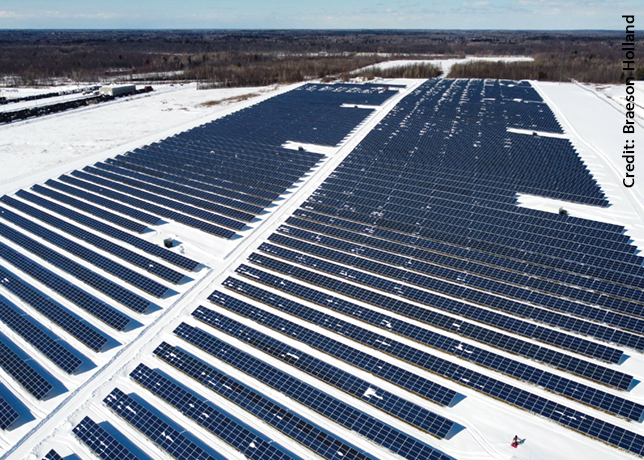
For example, the incorporation of advanced green technologies, such as solar thermal panels and geothermal systems, requires highly specialised heat transmission setups to maximise energy collection.
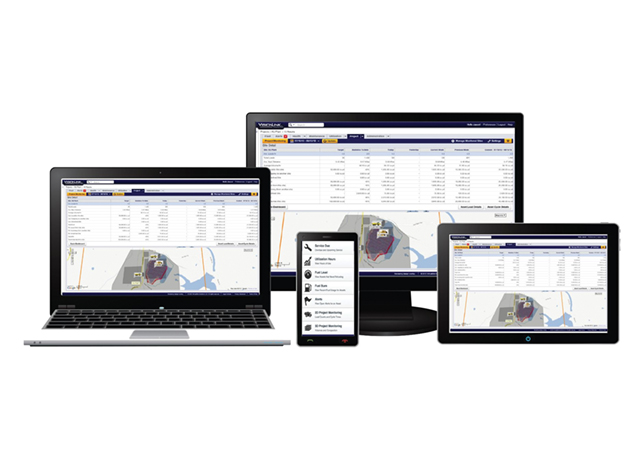
Furthermore, corporate operators are increasingly focused on predictive maintenance technologies, utilising digital monitoring tools to track thermal performance in real time and mitigate wear before structural failure occurs.
However, severe commercial challenges restrict the pace of market deployment.
The substantial maintenance expenses associated with heat exchangers remain a major limiting factor for operators, particularly in harsh settings like petrochemical plants where fouling and corrosion are continuous problems.
Over extended operational lifespans, components inevitably suffer from physical wear and tear, reducing fluid isolation effectiveness and lowering total heat transfer efficiency.
Additionally, acute volatility in global raw material prices for stainless steel, copper, and aluminium introduces significant financial forecasting uncertainty for procurement managers, which can delay final investment decisions on major capital engineering projects.
FORWARD-LOOKING STRATEGIC & ECONOMIC IMPLICATIONS
The long-term trajectory of the thermal management sector points toward deep integration with global industrial modernisation and energy efficiency initiatives.
As global heavy industries strive to meet ambitious sustainability targets, the integration of advanced heat recovery networks will remain an operational necessity rather than a voluntary upgrade.
Companies that invest in high-performance, corrosion-resistant metal alloys will achieve longer asset lifespans and lower overall lifecycle costs, offseting the initial capital expenditure spikes.
Ultimately, the ability of manufacturing firms to successfully navigate material price instability and control ongoing maintenance overheads will dictate their overall competitiveness in an increasingly regulated, efficiency-driven industrial landscape.