



















Africa’s energy sector is shifting from discovery led growth to execution focused development as governments and operators prioritise infrastructure, export capacity, and industrialisation.
Deepwater, LNG projects, and power investments are key indicators of competitiveness as investors demand regulatory stability, delivery certainty, and clear monetisation pathways.
Upstream production is expected to stabilise at 11.4 million barrels of oil equivalent per day (mboepd) in 2026, with capital expenditure projected at $41 billion.
Despite under exploration, only about 25,000 wells have been drilled across the continent; most recent discoveries have come from deepwater and ultra deepwater plays, which account for 74 per cent of finds since 2010, with gas dominating output.
Natural gas is emerging as a central pillar of Africa’s strategy, driven by LNG expansion and gas to power development.
Analysts highlight demand for flexible supply, noting, “there is no shortage of gas potential in Africa”, while stressing the need for integrated value chains and infrastructure alignment to unlock financing.
Energy access remains severe, with around 600 million people lacking electricity and over 900 million without clean cooking access.
Demand is projected to grow 4 per cent annually through 2030, increasing pressure on underdeveloped grids.
Gas is “system critical” for balancing intermittent renewables and ensuring reliability.
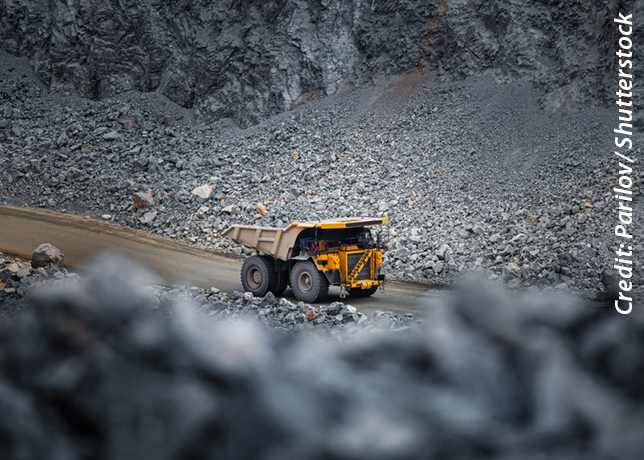
Africa’s mineral wealth, 30 per cent of global reserves of cobalt, lithium, and platinum group metals, adds a parallel strategic opportunity.
However, analysts caution, “This opportunity is not automatic”, emphasising governance, infrastructure, and beneficiation.
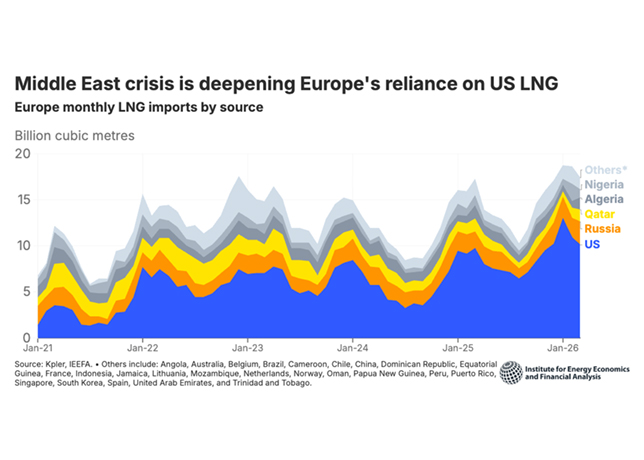
External shocks, including disruptions in Middle Eastern supply chains, have reinforced Africa’s vulnerability as a net importer in some regions.