


























By Abdulaziz Khattak
When a Petroineos refinery experienced a critical equipment failure, a bespoke air production solution delivered in record time helped the plant’s owners avoid extremely costly unplanned downtime.
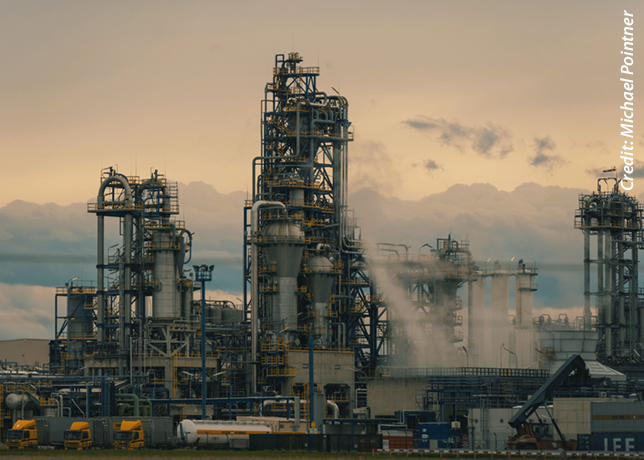
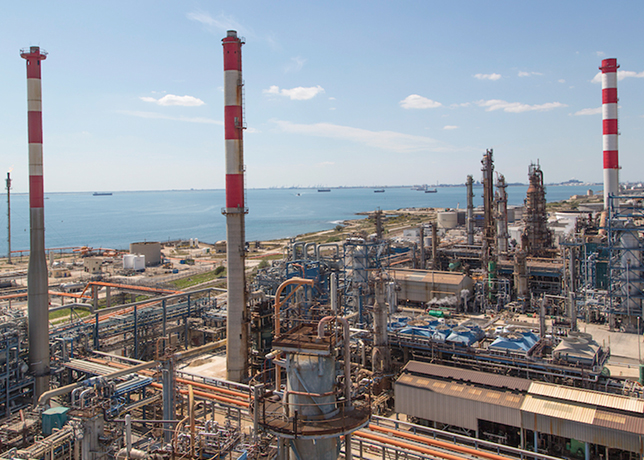
The integrated refining and energy trading company was thrust into an unexpected situation at its Lavera refinery in France when the air blower of the site’s fluid catalytic cracking (FCC) unit unexpectedly failed.
As the blower is crucial for catalyst regeneration, its malfunction took the unit offline, majorly impacting production and risking the company’s financial bottom line.
Faced with this deteriorating set of circumstances, Petroineos stakeholders leveraged their long-standing relationship with Aggreko to devise and mobilise a tailored solution to mitigate the unfolding situation.
Any remedial works would need to be executed in an ambitious two-month timeframe, restarting the FCC unit and allowing normal operations to resume while limiting potential financial losses.
Following a three-week consultation and clarification phase, the Aggreko engineering team sized the installation to accommodate two different flow rate scenarios corresponding to the FCC’s two operating modes.
The result was a large-scale solution delivered and installed over a month, comprising a combination of 32 Stage V-compliant thermal and electric compressors supplying 2,000 tonnes of oil-free air in line with Class 0 8573-1 standards.
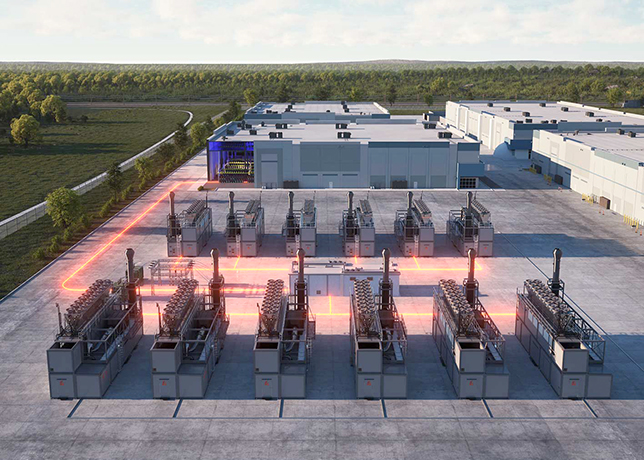
To power this impressive array of equipment, Aggreko provided two PowerMX2 Stage V generators alongside four 600 kVA generators, limiting carbon monoxide, nitrogen oxide and particulate matter emissions while also optimising fuel consumption.
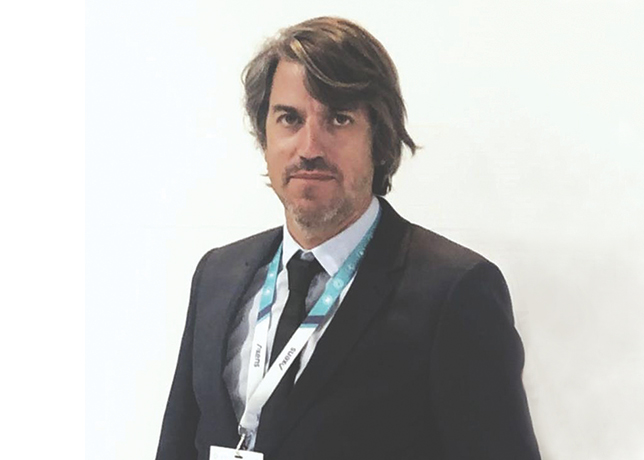
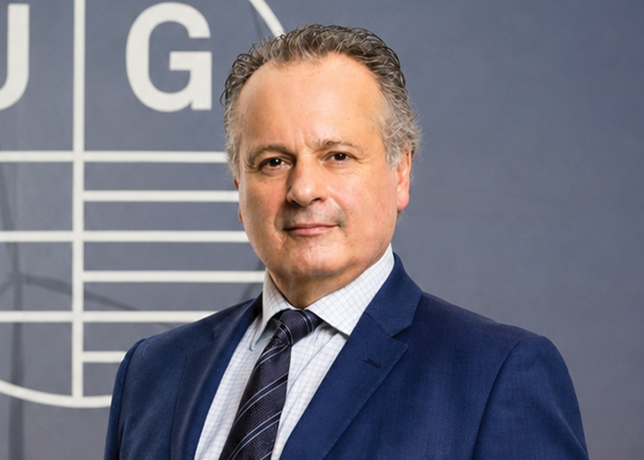
Gilles Revial
A final week was dedicated to testing and commissioning to ensure full operational readiness and optimised performance before the solution was fully deployed.
A spokesperson at Petroineos, explains: “We have worked with Aggreko since 2017; they know how we work, and this was vital to avoiding an unplanned plant shutdown when the FCC unit failed. The compressors they were able to provide, all within record time, meant we were able to avoid further unscheduled downtime and limit the financial impact of the unit’s unexpected failure.”
He adds: “Situations like these are very fraught, so we appreciated the responsiveness of the Aggreko team and the round-the-clock support they were able to offer. It’s not an exaggeration to say this could’ve been a crisis if not for their swift intervention.”
The bespoke solution Aggreko supplied had a significant impact on the refinery’s operations, allowing the FCC to remain operational for 45 days.
As a result, the refinery was able to avoid a costly shutdown and maintain all-important production continuity.
“Petroineos is a valued partner and the trust we have built over almost a decade came to the forefront during these challenging few months,” says Gilles Revial, Petrochemical and Refining Sector Manager, South of Europe, Aggreko.
He adds: “Our history together meant that at times like this, we could quickly implement proven practices and operational insights gleaned from previous projects.
“Considering the extremely tight timescales on this project and the consequences of any delays or failures, these insights were crucial in helping us develop and deploy this bespoke compressed air solution. When something goes wrong, it is vital that ensuing remedial works can be smoothly and reliably executed. We’re proud to say that was definitely the case here.”
In an exclusive interview with OGN energy magazine, Revial spoke about the wider lessons for refinery operators and how temporary utility solutions are becoming an increasingly important part of operational resilience.
Below are excerpts from the interview:
The Lavera refinery incident demonstrates how the failure of a single piece of critical equipment, such as the FCC air blower, can threaten the entire refining operation. How common are such single-point failures in modern refineries, and what lessons should operators draw from this experience?
While single-point failures are less common than in the past, the risk can never be totally eliminated, and is still present in modern refineries.
Components like Lavera’s FCC blower are highly specialised and not easily replaced, so having a back-up plan in place is critical.
While it’s impossible to hold spares on site for every part that could fail, the takeaway here is the importance of relationships.
The existing partnership between Petroineos and Aggreko facilitated a rapid response that would not have otherwise been possible, allowing costly downtime to be avoided while a replacement FCC blower was sourced.
In the Lavera case, a temporary compressed air system allowed the FCC unit to remain operational for 45 days. Are temporary industrial utility solutions, such as compressed air, power, and cooling, becoming an integral part of refinery contingency planning?
The short answer? Yes. While our remit spans both reactive and proactive solutions, an increasing number of companies are now approaching us to work temporary power and temperature control into their long-term contingency planning.
Supply chain disruption can often make this equipment difficult, or even impossible, to source at short notice when an outage strikes, so more and more refineries are beginning to see the value of a specialist partner that can meet this need for them.
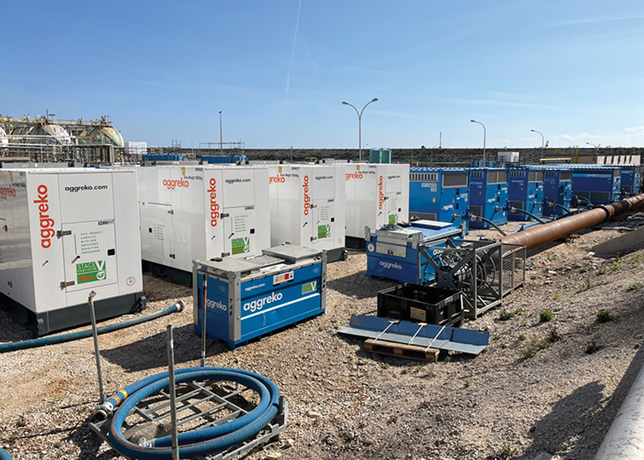
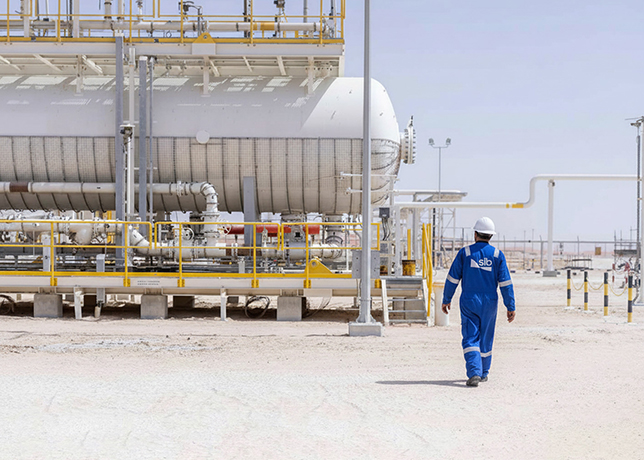
More than 30 compressors helped Petroineos’ FCC unit to run for 45 days
Many refineries are highly integrated with petrochemical operations. If a critical unit, such as the FCC, were forced offline, how far could the operational disruption cascade through the wider petrochemical value chain?
With the FCC responsible for taking heavy, low-value hydrocarbons and cracking them into more saleable derivative products such as gasoline, propylene and LPG, the potential disruption would be both widespread and significant.
The impact would be most harshly felt further down the value chain in facilities relying on these feedstocks, such as chemical plants specialising in polymer production.
Could advanced digital tools, such as AI-driven predictive maintenance, digital twins, and real-time asset monitoring help identify risks earlier and reduce the likelihood of sudden failures like the one experienced at Lavera?
Absolutely. While it’s impossible to know exactly when a given piece of equipment might fail, AI, digital twins, and asset monitoring can help give a much better idea of asset health, allowing operators to take steps to service or replace it before failure strikes.
Combining these strategies with a contingency plan offers the best possible defence against outages.
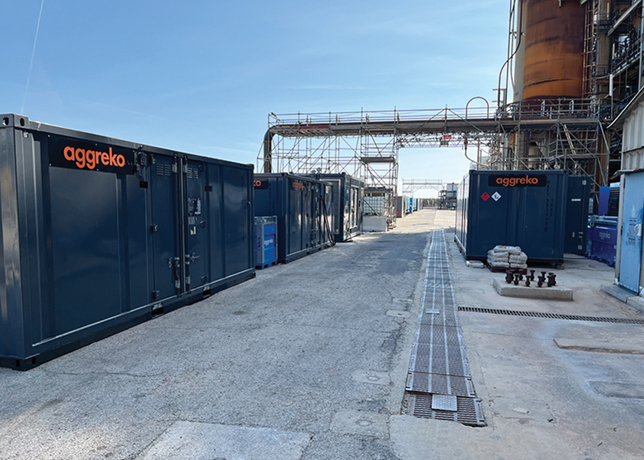
Aggreko provided power through PowerMX2 Stage V and 600 kVA generators
For refineries operating in harsh industrial environments such as extreme heat, dust, and humidity, what special considerations are required when deploying temporary power or compressed air equipment in desert climates?
Extreme environments naturally invite higher levels of risk, with heat being the primary challenge.
Overworking equipment in high temperatures can cause it to fail, so thermally derating it (intentionally reducing the operating capacity) to avoid this is paramount.
To compensate for this, equipment must be sufficiently oversized or configured to deliver the required flow rates or power requirements even during peak temperatures.
These factors all reinforce the need for a specialist partner that not only has the equipment necessary for the job, but the knowledge required to install and maintain it in line with the challenges presented by the environment.
Opting for a well-established partner also grants access to a much wider fleet, meaning the right solution can always be supplied, rather than an off-the-shelf package which might not be fit for that operating environment.
Based on the Lavera experience, what three strategic steps should refinery operators take today to strengthen operational resilience and avoid costly unplanned shutdowns?
• Evaluate critical assets: First and foremost, refinery operators should conduct an extensive audit of their site to identify which equipment is most likely to fail next.
Which equipment is coming to the end of its operational lifespan, and which cannot I not afford to go offline?
These are the questions refinery operators should be asking themselves.
• Make the most of turnarounds: Once they have an idea of what might need replacing, the turnaround period presents a prime opportunity to act on it.
At Aggreko, our dedicated turnarounds team can help refinery operators plan in advance to mobilise the necessary power and temperature control equipment ahead of time, ensuring any maintenance or replacement works take place within the required timeframe.
We are also implementing skids to limit flaring during unit shutdown operations, as well as highly efficient solutions to limit the cooling time of catalytic reactors.
• Plan for failure: Even with advanced maintenance strategies, failure will happen.
Operational resilience is ultimately defined by how effectively a site responds, so having a partner who can react at a moment’s notice is the key to avoiding lengthy, unplanned downtime.