



















































STATS Group has successfully completed a major subsea pipeline intervention project using its BISEP® isolation technology with an integrated bypass system, enabling a new offshore gas development to be tied into an existing export pipeline without shutting down production.
The project marks a significant advancement in live subsea pipeline intervention, demonstrating how operators can modify critical offshore infrastructure while maintaining flow, safeguarding revenues and avoiding disruption to downstream energy supply.
As offshore assets mature and operators seek to maximise the value of existing infrastructure, the ability to connect new developments into live export systems has become increasingly important.
Traditional pipeline modifications typically require production shutdowns, resulting in lost revenue, operational complexity and potential impacts on energy security.
STATS’ latest project highlights a different approach: Working on a 28-inch subsea gas export pipeline operating at 82 bar, STATS was enabled the connection of a new offshore platform into an existing transportation network.
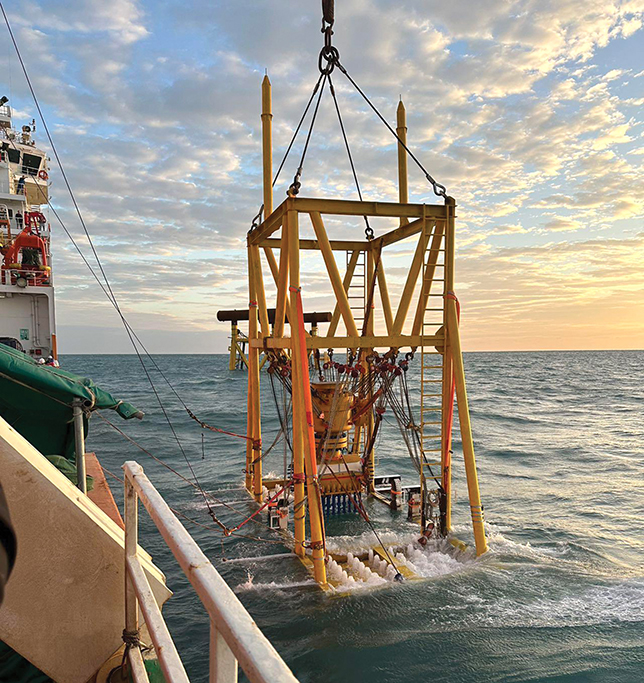
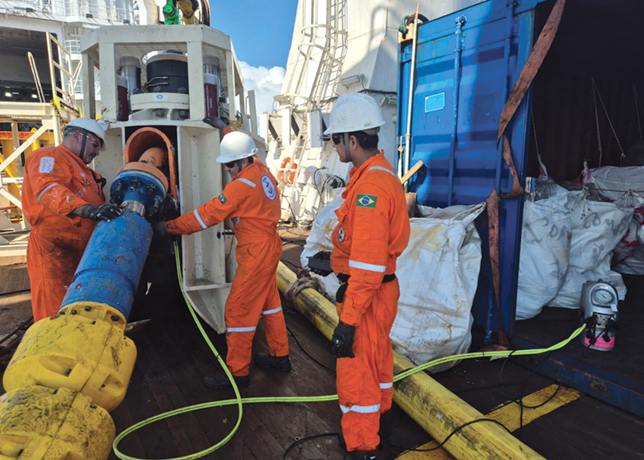
Mechanical clamp and full bore valve lowered to seabed
With the pipeline serving as a critical export route, taking the asset offline was not considered an option.
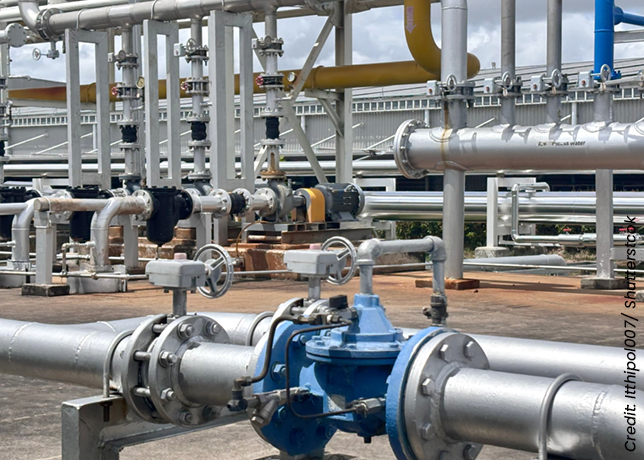
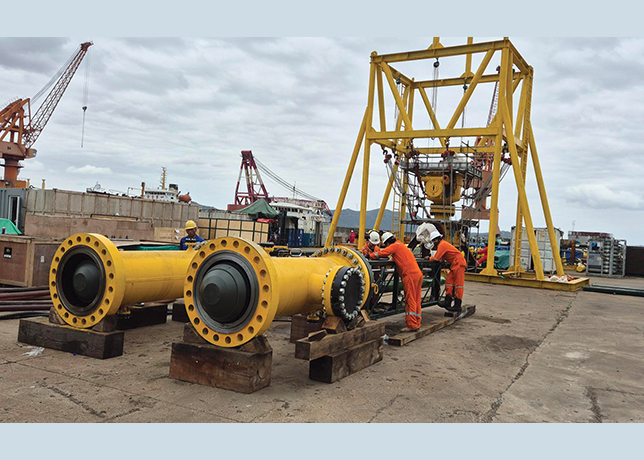
To overcome the challenge, STATS deployed its SureTap® subsea hot tapping equipment to create full bore access to the pipeline, allowing its proprietary Branch Installed Self-Energised Plug (BISEP®) technology to be deployed, creating a fully verified double block and bleed (DBB) isolation while maintaining uninterrupted gas flow through an integrated bypass arrangement.
Two BISEP isolation tools were installed 74 m apart, establishing a secure isolation zone that allowed the pipeline to be safely depressurised, cut and new infrastructure tied in.
Crucially, the integrated bypass system enabled product to continue flowing around the isolated section throughout the operation.
By incorporating the bypass within the launcher arrangement, STATS reduced the number of additional hot tap connections required, simplifying offshore activities and minimising diver intervention compared with conventional methods.
The achievement further strengthens the reputation of BISEP as a leading solution for complex subsea interventions.
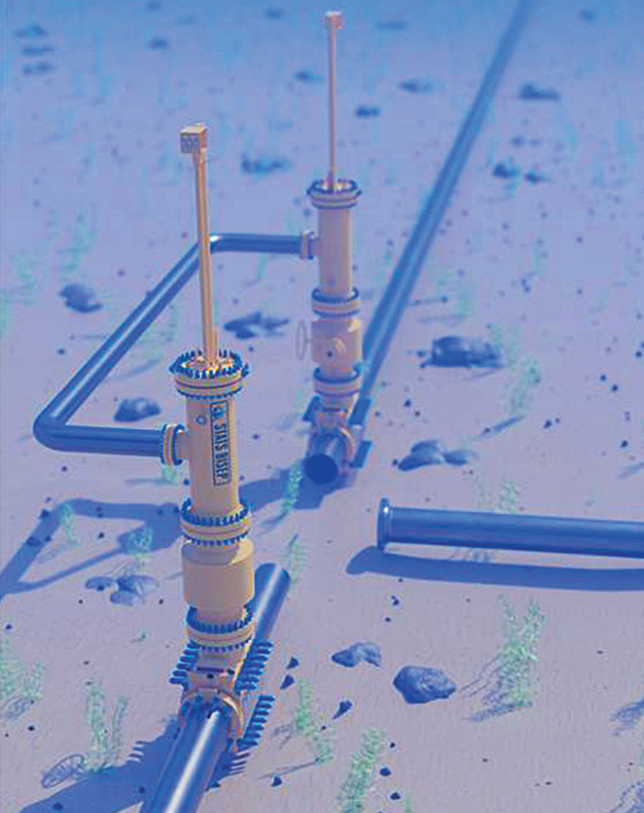
Subsea BISEP and integrated bypass
Unlike traditional isolation methods, BISEP provides dual independent seals separated by a monitored zero-energy zone, allowing the integrity of both sealing barriers to be fully verified before breaking containment.
The technology is also the only hot tap-installed isolation tool to achieve DNV Type Approval for Pipeline Isolation Plugs, confirming compliance with internationally recognised offshore pipeline standards.
Its verified DBB isolation capability aligns with IMCA diver safety requirements, which mandate dual isolation barriers for subsea breaking of containment activities.
Dale Millward, Regional Director APAC at STATS Group, says: “The successful completion of this project demonstrates the significant operational and commercial benefits that advanced isolation technologies can deliver to the offshore sector. Following 28 days of leak-tight isolation, the BISEP tools were safely recovered, the bypass system was removed, and the pipeline was returned to its permanent operating configuration exactly as planned. Importantly, the work was delivered with zero safety incidents, no interruption to production and no schedule delays, highlighting the reliability of the isolation solution and the expertise of the teams involved.”
As operators continue to focus on extending asset life, unlocking new developments and maintaining production from existing infrastructure, STATS’ latest success demonstrates how live subsea intervention technologies are expanding the possibilities for offshore energy projects while supporting long-term asset integrity and energy security.