
















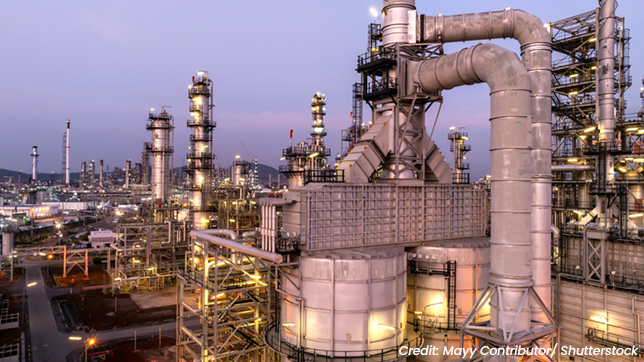



















The integration of sustainable biopolymers represents an evolution of the GCC’s industrial landscape, strengthening and expanding the region’s existing materials portfolio rather than disrupting its deeply entrenched hydrocarbon infrastructure.
As global demand accelerates for lower-carbon and circular material solutions, the strategic adoption of polylactic acid (PLA) bioplastics offers regional petrochemical producers a complementary avenue for downstream value creation without compromising conventional polymer markets.
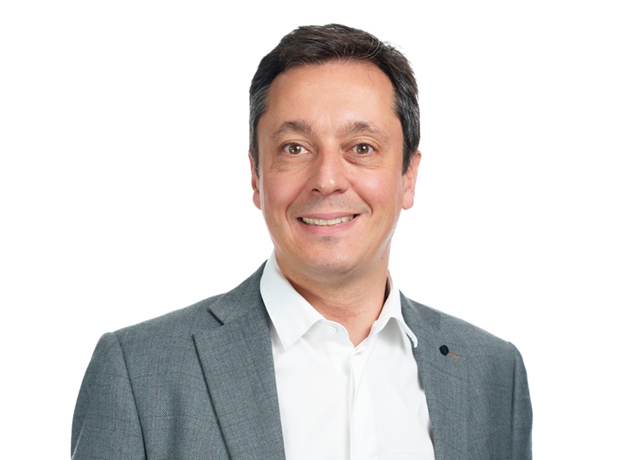
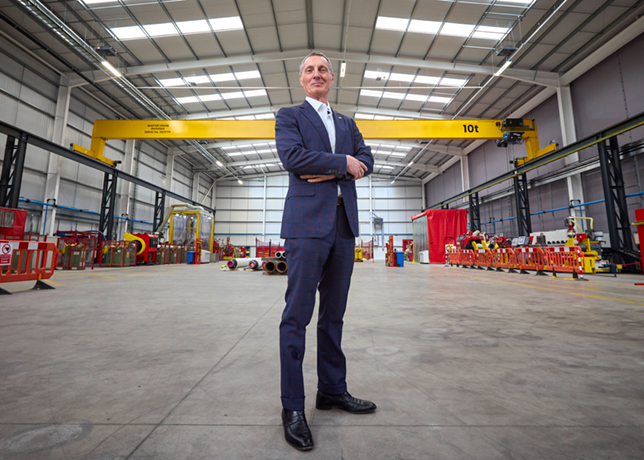
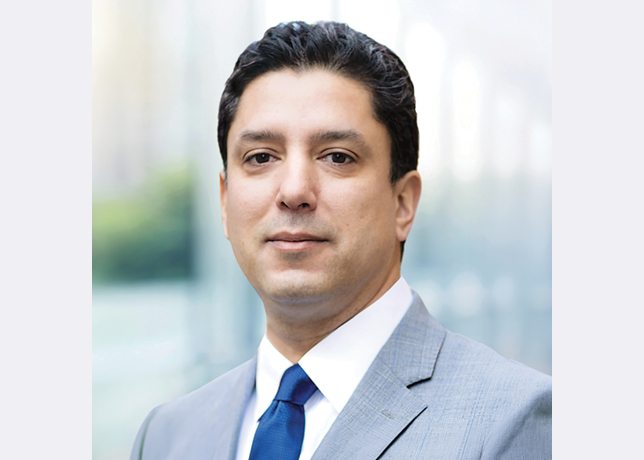
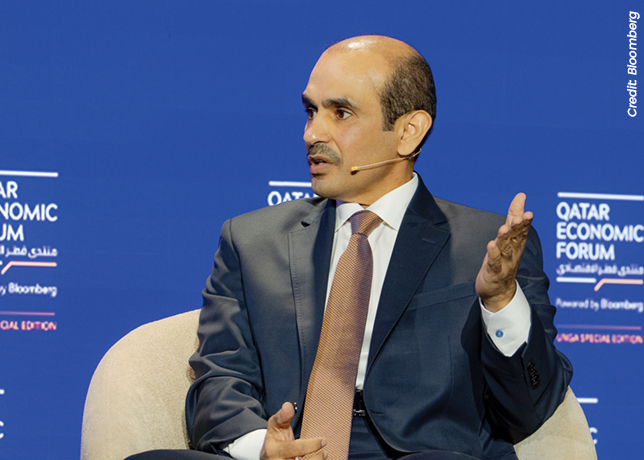
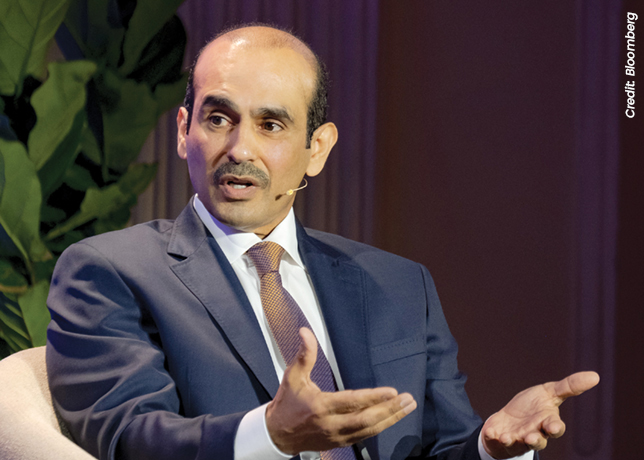
In an exclusive interview with OGN energy magazine, Francois de Bie, Chief Commercial Officer, Emirates Biotech, says: “We do not see the rise of biopolymers as disrupting the GCC’s hydrocarbon infrastructure, but rather as expanding and strengthening its materials portfolio.”
He highlights that while petroleum-based polymers would remain the primary choice for durable applications, bioplastics provide a vital alternative for short-lived items, such as food service ware and packaging that are economically unviable to collect and recycle mechanically.
The bioplastics sector is positioned to enhance regional circularity, divert organic waste from landfills, and bolster overall manufacturing competitiveness across global export markets.
Below are excerpts from the interview:

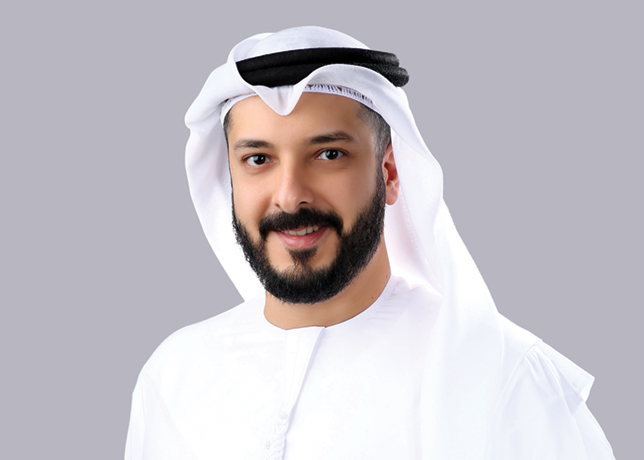
Francois de Bie
Given that the GCC is a global powerhouse for conventional, petroleum-based polymers with billions invested in crude-to-chemicals projects, how does Emirates Biotech envision Embio biopolymers coexisting with, or disrupting, this deeply entrenched hydrocarbon infrastructure?
The transition to bioplastics is not simply about replacing one material with another, it is about building the infrastructure, policies, and market conditions that enable a truly circular economy.
Embio PLA biopolymers are designed to complement, not replace, conventional plastics.
Petroleum-based polymers will remain the material of choice for many durable and high-performance applications.
However, where brand owners and consumers are looking to reduce their carbon footprint or require biodegradable material solutions, such as for certain food packaging and food service applications, PLA offers a compelling alternative.
We do not see the rise of biopolymers as disrupting the GCC’s hydrocarbon infrastructure, but rather as expanding and strengthening its materials portfolio.
The GCC has built a world-class chemicals industry, and integrating sustainable materials is a logical next step in its evolution.
As global demand for lower-carbon and more circular materials continues to grow, our role is to help diversify the region’s downstream offering and create new opportunities for value creation.
Our ambition is to enable the GCC to lead not only in conventional plastics, but also in the next generation of sustainable materials.
To what extent do you view regional petrochemical majors like SABIC and OQ as long-term market competitors, or is your ultimate strategy to encourage them to integrate bioplastics into their own portfolios?
Plastics as a whole are increasingly scrutinised because of concerns about plastic pollution and microplastics.
However, plastics also deliver enormous societal benefits, such as modern healthcare, electronics, transportation and many other industries that would not be possible without them.
The challenge is, therefore, not to eliminate plastics, but to use the right material for the right application.
For durable applications, conventional plastics and recycling will continue to play a vital role.
However, for short-lived products such as food service ware, food packaging and other items that are difficult or uneconomical to collect and recycle, biodegradable bioplastics offer a far more sustainable solution.
They can significantly reduce the environmental impact where leakage into nature cannot always be prevented.
Our long-term vision is not to replace the petrochemical industry, but to complement it.
We believe established petrochemical companies are well positioned to incorporate bioplastics into their portfolios, allowing customers to choose the most appropriate material for each application.
As demand for sustainable materials grows, we see significant opportunities to work together to accelerate the transition toward a more circular and diversified plastics industry.
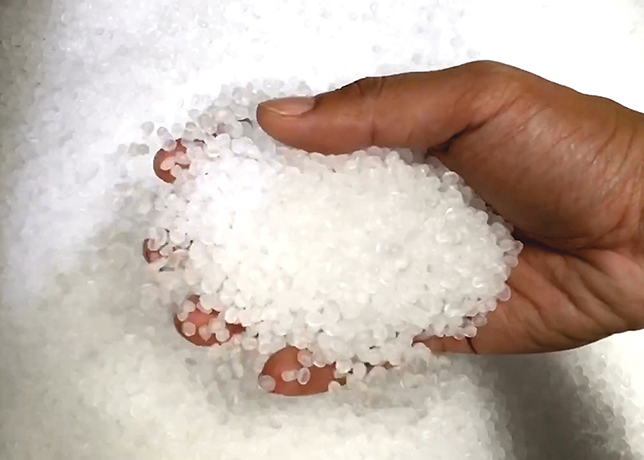
Embio biopolymers
Embio production traditionally relies heavily on water-intensive agricultural feedstocks like corn or sugarcane; how does Emirates Biotech plan to reconcile this with the acute water scarcity and food security challenges of the GCC region?
Initially, our PLA will be produced from sustainably sourced agricultural feedstocks imported from regions with established agricultural production.
This means we are not placing additional pressure on the GCC’s limited water resources or competing with local food production.
Looking ahead, we see significant potential in second-generation feedstocks, such as date palm by-products and organic waste.
Emirates Biotech is an active member of the Circle Consortium, which has already demonstrated the production of PLA from organic waste at pilot scale.
Our long-term vision is to help develop a circular bioeconomy by converting regional waste streams into sustainable materials.
Considering Saudi Arabia’s strict focus on localisation through initiatives like IKTVA, what is your concrete timeline for establishing local production facilities rather than relying on imported feedstocks or raw materials?
As we execute a phased approach, our strategy aligns with KSA’s Vision 2030.
Our immediate focus is on developing the market, provide knowledge about biopolymers and supporting local plastic converters to transition and build downstream demand.
We are currently laying the commercial groundwork required to support future large-scale manufacturing and reliable supply chain.
Embio requires highly specific industrial composting facilities to successfully degrade, so how can your products support Saudi Arabia’s circular economy targets when the domestic waste management infrastructure is currently geared towards conventional recycling and landfill diversion?
Today, waste management systems are largely focused on recycling and landfill diversion.
However, around 40 per cent of all waste is organic waste, which requires a different approach.
The future of a circular economy requires separate collection of organic waste and composting infrastructure, an approach already implemented in many countries.
Compostable biopolymers can support this transition by allowing certain food-soiled packaging items to be collected together with organic waste, creating an additional circular pathway where recycling is not practical.
By investing in the right collection and treatment infrastructure, Saudi Arabia has the opportunity to build a next-generation waste management system that combines recycling, composting, and material recovery.
Establishing the right end-of-life infrastructure is essential to closing the loop.
Around 40 per cent of municipal waste is organic, and Saudi Arabia has a significant opportunity to introduce separate collection and treatment of this waste stream, as many countries have already done.
Compostable bioplastics can be collected together with organic waste, eliminating the need for a separate collection system while helping divert food waste from landfill and supporting the production of high-quality compost.
Are you actively collaborating with regional waste management entities, such as the Saudi Investment Recycling Company (SIRC), to develop the specialised collection and processing ecosystems required for bioplastics?
We are actively engaging with stakeholders across the value chain and welcome collaboration with organisations, such as the Saudi Investment Recycling Company (SIRC), to help develop the infrastructure needed for a circular bioeconomy.
As global markets enforce stricter decarbonisation regulations, how much of a quantifiable competitive advantage can a 75 per cent reduction in carbon footprint offer GCC manufacturers looking to bypass penalties like the EU’s Carbon Border Adjustment Mechanism (CBAM)?
Since CBAM specifically targets heavy, energy-intensive industries like iron, steel, cement, aluminium, fertilisers, electricity, and hydrogen, PLA is entirely exempt from these taxes.
This offers GCC manufacturers a massive dual advantage: They can export to Europe without facing these specific financial penalties, while simultaneously reducing their overall carbon footprint by up to 75 per cent, which is a huge differentiator for their broader corporate sustainability targets.
What specific regulatory mandates, such as single-use plastic ban or carbon taxation, do you believe GCC policymakers must urgently implement to make biopolymer adoption commercially viable for local plastic converters?
We advocate for a policy framework that rewards circularity rather than simply restricting materials.
Economic instruments, such as landfill tipping fees and incentives for separate collection of organic waste, are essential to make waste separation the default.
At the same time, policymakers should clearly define where compostable materials provide the greatest environmental benefit.
For applications that are difficult to mechanically recycle or are frequently contaminated with food waste, such as certain food-service items and food-contact packaging, certified compostable materials should become the preferred, and where appropriate mandated, solution.
Conventional polymers in the region benefit from massive economies of scale and subsidised feedstocks; how does Emirates Biotech propose to close the “green premium” price gap for regional manufacturers without squeezing their margins?
The discussion should focus on total value rather than resin price alone.
Like conventional plastics decades ago, biopolymers will become more cost competitive as production scales and demand grows.
In the meantime, manufacturers can already capture value through access to premium export markets, compliance with evolving sustainability requirements, and reduced exposure to future carbon-related costs.
As regional production comes online, logistics costs decrease, supply security improves, and the price gap will continue to narrow.
Beyond environmental incentives, what is the core economic business case for a high-volume Saudi plastics manufacturer to transition their production lines to Embio materials at this stage?
The business case is about futureproofing while minimising risk.
Embio PLA can be processed on existing conversion equipment with little or no additional capital investment, making adoption straightforward for most manufacturers.
It enables producers to expand into higher-value sustainable packaging applications, meet the growing requirements of multinational brand owners, and prepare for evolving regulations, all while leveraging their existing manufacturing assets.