



















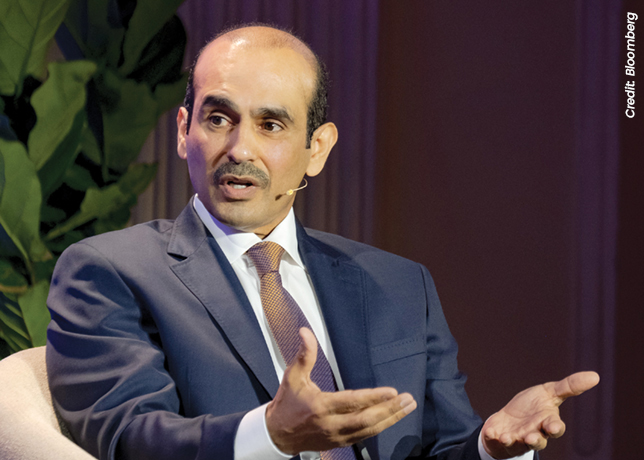

By Abdulaziz Khattak
Replacing conventional gas-fired furnaces with multi-megawatt electrical heaters presents severe grid stability and power quality challenges, demanding fully integrated electrical architectures to prevent brownfield refinery disruption.
Early engineering assessments, harmonic studies, and specialised protection schemes are essential to integrating large electrical loads into existing power networks reliably.
Addressing complex interface bottlenecks requires single-source, factory-tested infrastructure that streamlines installation while preserving continuous operational stability.
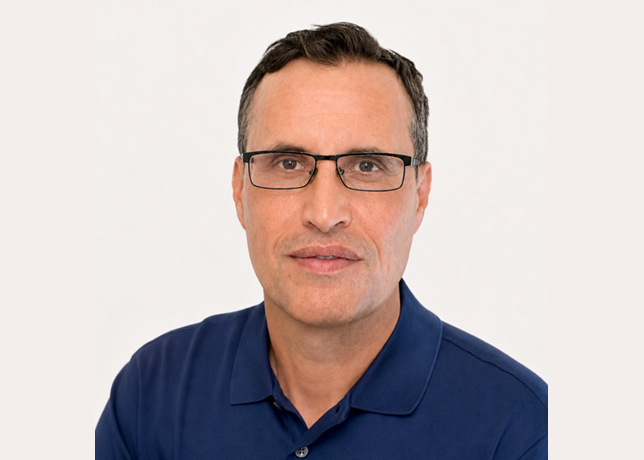
In an exclusive interview with OGN energy magazine, Jean Christophe Moureau, Schneider Electric, says: “The future of industrial electrification will be driven not by individual technologies alone, but by the ability to integrate them into a reliable and scalable operational ecosystem.”
Schneider Electric demonstrated this integrated approach at Shell’s Wesseling refinery, supplying a prefabricated E-House for an 8.9 MW heating system that eliminates roughly 14,500 tonnes of annual carbon emissions.
Adapting high-voltage process heating to the Gulf region’s extreme operational conditions requires purpose-built anti-corrosive coatings and dedicated cooling systems to ensure asset longevity.
Beyond immediate emissions reductions, electrification enables Middle Eastern operators to reallocate domestic natural gas toward higher-value petrochemical feedstocks and LNG exports.
Investing in flexible, digital-ready power networks creates foundational infrastructure that supports diverse decarbonisation pathways while unlocking long-term strategic value.
Below are excerpts from the interview:
How do you address the severe power quality and grid stability challenges introduced when replacing conventional gas-powered furnaces with multi-megawatt e-heaters?
The key challenge is integrating large new electrical loads without affecting the reliability and stability of existing grid.
Success starts with early engineering assessments to understand the existing electrical infrastructure, available network capacity, operational constraints and future power requirements.
This enables potential impacts to be identified early and addressed through the right electrical architecture, protection systems and network design.
In Shell’s Rhineland transformation project in Wesseling, Schneider Electric supported the integration of an 8.9 MW electrical heating system through dedicated power infrastructure, transformers, protection systems, power-system studies, including harmonic assessments.
The project demonstrated how large-scale process electrification can be implemented in a brownfield refinery environment while maintaining reliable operation.
As refiners continue to electrify process heating, success will depend on combining a strong understanding of the site’s electrical network with integrated power, protection, control and monitoring solutions that reduce implementation risk and support long-term operational resilience.
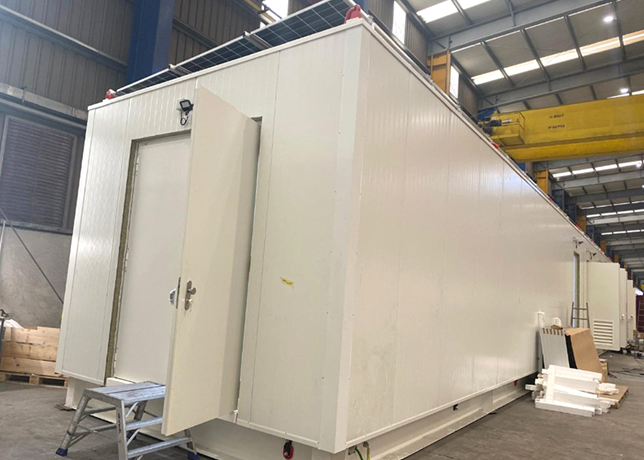
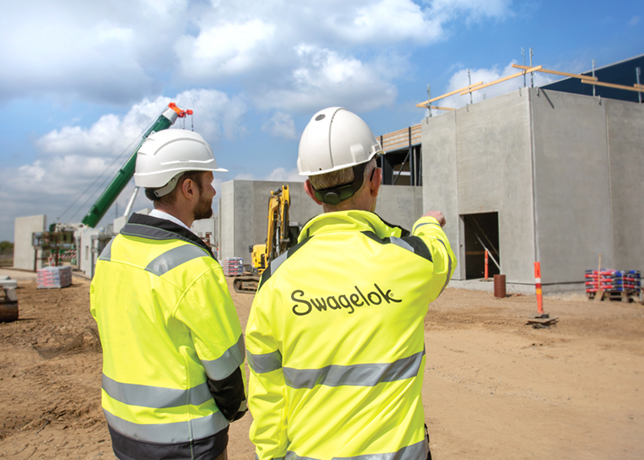
An e-house at a manufacturing facility
What are the primary engineering bottlenecks when integrating high-voltage process electrification into 40-year-old brownfield infrastructure?
Brownfield integration is often more challenging than the electrification technology itself.
In many modernisation projects, equipment is replaced as separate packages, and the interfaces between those systems, including power distribution, control systems, protection schemes, and cabling, are often underestimated.
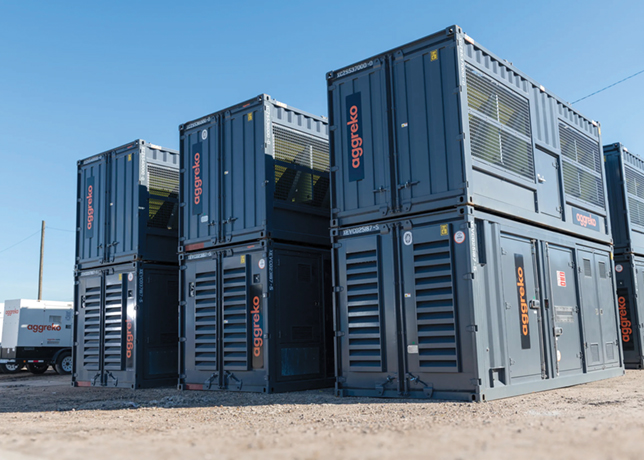
At the Shell Wesseling R3 Base Oil Project, Schneider Electric addressed this challenge by supplying a prefabricated E-House that integrated transformers, power distribution, heater controls, protection systems, and automation interfaces into a single factory-tested solution.
By managing these interfaces upfront, we helped simplify installation, reduce project risk, and provide the customer with a faster and more controlled modernisation process.
This integrated approach enables refiners to accelerate decarbonisation projects while minimising disruption to ongoing operations.
Given the extreme ambient heat and harsh operational conditions in the GCC, how must electrical heating and control architecture be adapted compared to European facilities?
Environmental conditions have a direct impact on electrical system performance, equipment loading and long-term reliability.
High ambient temperatures, dust, humidity and aggressive environments require careful equipment selection and installation practices to ensure safe and reliable operation.
For this reason, successful projects cannot simply replicate designs developed for other regions.
As a provider of complete electrification solutions, Schneider Electric integrates power distribution, protection, automation and monitoring systems while selecting equipment specifically suited to the site’s operating conditions.
This approach helps ensure reliable operation, power-system stability and asset longevity, even in the most demanding environments.
For example, power control panels for e-heaters in the Gulf region are designed with anti-corrosive coatings and air conditioning systems to mitigate the specific effects of harsh conditions.
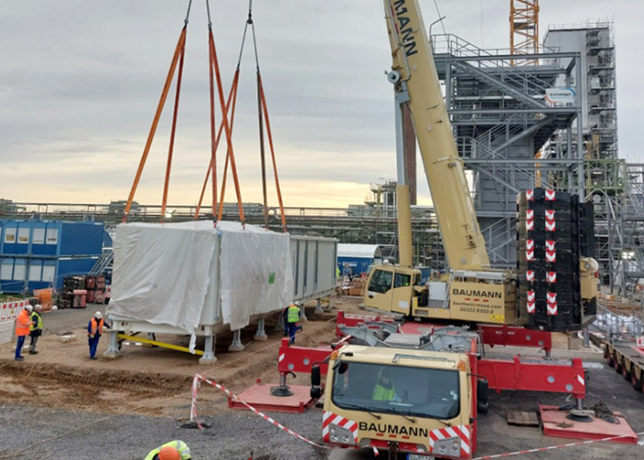
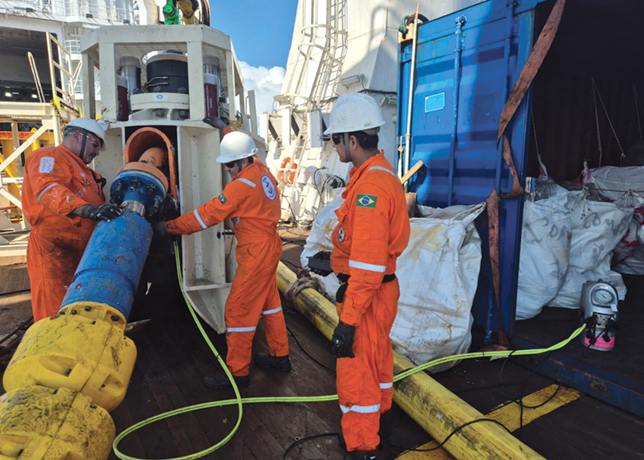
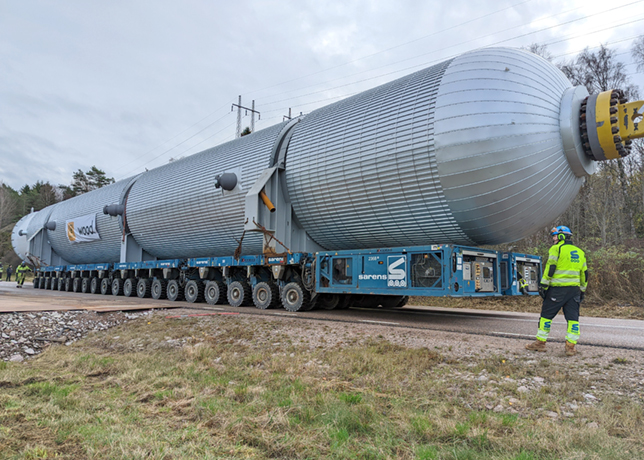
A prefabricated E-House being uploaded at site
At what economic tipping point does process electrification become commercially viable for Middle Eastern NOCs?
There is no single tipping point. The economics depend on electricity costs, gas value, carbon policies, renewable-energy availability and long-term business strategy.
Increasingly, leading operators are evaluating electrification not only on direct energy costs but also on strategic value.
As demand grows for lower-carbon products and as natural gas becomes a valuable feedstock for petrochemicals, LNG and hydrogen opportunities, process electrification can become part of a broader value-creation strategy rather than simply a utility-cost calculation.
As GCC producers divert domestic natural gas toward higher-value petrochemicals and LNG exports, how significantly does electrical heating alter long-term OPEX?
The answer varies by market, but electrification changes several economic variables simultaneously. It can reduce direct combustion emissions, simplify some environmental compliance requirements and reduce dependence on fuel-gas systems traditionally associated with fired heating.
More importantly, electrification allows operators greater flexibility in how they allocate natural gas resources.
As renewable generation expands and electricity becomes increasingly decarbonised, the economic case strengthens further.
The objective is not simply lowering OPEX but improving overall operational and strategic flexibility.
Is the pace of refinery electrification moving fast enough to prevent heavy brownfield retrofits from becoming stranded assets?
The energy transition is progressing at different speeds across regions and industries. However, investments in modern electrical infrastructure are unlikely to become stranded because they create capabilities that support multiple decarbonisation pathways.
Whether a refinery adopts electrical heating, renewable hydrogen, energy-storage solutions, microgrids or future digital applications, robust electrical infrastructure becomes a foundational asset.
The focus, therefore, should not be on avoiding investment, but on making investments sufficiently flexible to support future operational requirements.
How does Schneider Electric leverage digital twin technology and automated microgrids to ensure that massive new electrical loads do not compromise a refinery’s captive power system?
Digital technologies help operators understand and manage complexity before it impacts production.
Power-system modelling, simulation and digital engineering provide visibility into how large electrical loads interact with existing infrastructure and operational scenarios.
At the equipment level, modern electrification projects should be designed as digital-ready from day one.
In the Shell Wesseling project, Schneider Electric equipment was delivered with built-in monitoring and connectivity capabilities, including asset-health and thermal-monitoring functions that can support future predictive maintenance and advanced analytics initiatives.
The goal is to transform electrical infrastructure from a passive asset into an active source of operational intelligence.
How does process electrification synergise with the production of high-value Group III base oils, and can this model be replicated elsewhere?
The Shell Rhineland transformation provides an excellent example. Shell is repurposing its Wesseling hydrocracker into a Group III base-oil production facility with a high degree of electrification.
The project includes Axens Electrical Tubular Heater technology combined with Schneider Electric’s electrical solutions and integration expertise.
The facility uses electrical heating system consisting of 60 electrical heaters with different power rates supplied through a dedicated electrical architecture.
By replacing conventional combustion-based heating with electrical heating, the project is expected to reduce approximately 14,500 tonnes of CO2 emissions annually from the heater application while supporting Shell’s broader decarbonisation objectives.
Most importantly, the project demonstrates that process electrification can support world-scale production of high-value products while reducing operational emissions.
That makes it a strong reference model for future refinery and petrochemical projects globally.
With rapid deployment of utility-scale solar across the Gulf, are Middle Eastern refiners better positioned to achieve zero-carbon heating than European operators?
The Gulf possesses exceptional renewable-energy potential, particularly solar, creating a significant long-term advantage.
However, achieving low-carbon industrial heating is not only about generating renewable power.
It also requires grid capacity, resilient electrical infrastructure, operational flexibility and integration expertise.
European operators have often moved earlier due to regulatory and decarbonisation drivers, while Gulf operators may benefit from abundant renewable resources and the opportunity to deploy solutions at larger scale.
Both regions have different strengths, and both are likely to play important roles in advancing industrial electrification.
Beyond pilot projects like Shell Wesseling, what scalable integration frameworks must Schneider Electric establish to accelerate adoption?
The industry does not need more isolated pilots; it needs repeatable execution models.
The most effective framework combines standardised electrical architectures, modular E-House solutions, factory-tested equipment, integrated safety systems, digital-ready assets and strong collaboration between process technology providers and electrification specialists.
The collaboration between Shell, Axens and Schneider Electric demonstrates this approach in practice.
By combining proven process technology with integrated power, automation and digital infrastructure, the project establishes a blueprint that can be replicated across both brownfield and greenfield facilities.
The future of industrial electrification will be driven not by individual technologies alone, but by the ability to integrate them into a reliable and scalable operational ecosystem.