








































































Murban crude has evolved into a major global benchmark, according to Oilprice.com. Its pricing relationship with West Texas Intermediate Crude Oil (WTI) is narrowing, as Murban demand increases amid Middle Eastern supply shifts.
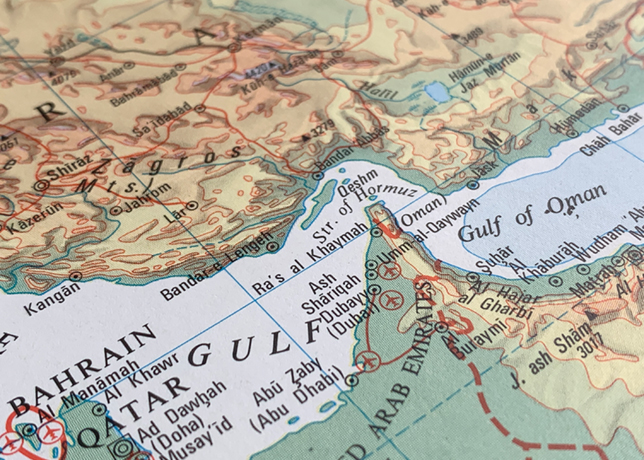
Murban comes from Abu
Dhabi -and is produced by Adnoc.
It’s a light sweet
crude with a sulphur content of 0.78 per cent and an American Petroleum
Institute gravity (API) of 39.9 deg.
Murban crude has taken
on a life of its own, becoming one of the most prominent and frequently
delivered grades in the Platts Dubai crude oil benchmark basket.
In 2021, Abu Dhabi
launched IFAD (ICE Futures Abu Dhabi) futures, its flagship contract for the
physically delivered Murban crude oil.
Trading in Murban
futures really took off in 2024, smashing records quarter after quarter.
In the second quarter alone, volumes hit 1.5
billion barrels, more than double the pace seen at the start of the year.
June set fresh highs
across the board, with an average of 31 million barrels changing hands daily
and a single-day peak of 57,300 contracts, or 57.3 million barrels.
The surge proved that
Murban is no longer a niche Gulf crude - it’s becoming a go-to benchmark with
real global traction.
As Abu Dhabi increases
Murban availability and IFAD trading volumes build depth, the grade is no
longer confined to a regional role.
Its pricing
relationship with WTI has begun to narrow, pushing the two into more direct
competition in Asian refining centers that once defaulted to US barrels when
economics allowed.
The result is a subtle
but consequential shift: Murban is gaining the liquidity and transparency that
make a benchmark useful, just as WTI’s reach into Asia is shaped by freight,
arbitrage cycles, and Gulf Coast supply patterns.
The Murban and WTI
pricing relationship has been narrowing, thanks to rising demand for Middle
Eastern crudes, specifically Murban, alongside factors like Adnoc diverting the
grade to its domestic refinery which encourages Asian buyers to seek
alternatives.