























































 Image by Gorsh13/ iStock
Oil price reporting agency S&P Global Platts is suspending bids and offers for price assessments of Middle East refined products that transit the Strait of Hormuz because of shipping disruptions from the US-Iran conflict, the company said in a note to subscribers sent out and reviewed by Reuters.
S&P Global Platts, one of the larger providers of price and transaction information on the oil and fuel markets for the industry, is also reviewing its Middle East crude pricing mechanism, the company said.
From March 2 until further notice, Platts has suspended the publication of bids and offers in the Middle East refined products Market on Close assessment process where they reflect loading at ports within the Persian Gulf that require transit through the Strait of Hormuz, the company said in the note to subscribers.
Platts declined to comment on the suspension of the bids and offers for some of its Middle Eastern oil product assessments.
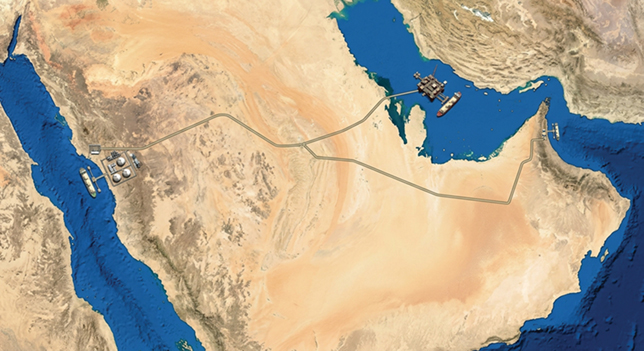
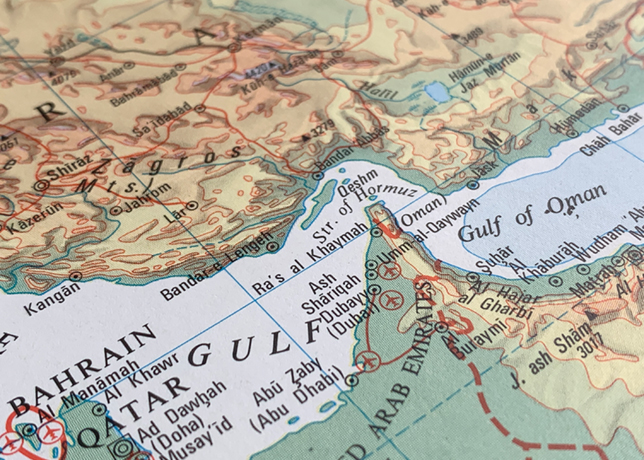
The Strait of Hormuz is a narrow waterway between Iran and Oman that connects the Gulf to the Arabian Sea.
On a typical day, ships carrying oil equal to about one-fifth of global demand from Saudi Arabia, the UAE, Iraq, Iran, and Kuwait sail through the waterway along with tankers hauling diesel and jet fuel and gasoline and other products from their refineries.
Platts also said in a note sent to subscribers that it is reviewing the deliverability of Middle East crude from ports within the Gulf and will announce its decision at 2 p.m. (0600 GMT).
"This review has been initiated because market participants have notified Platts that major shipping companies have halted transit through the Strait of Hormuz amid heightened safety concerns after Israel and the US launched air strikes on Iran," Platts said.
Platts' daily Dubai crude oil price assessment is a physical benchmark used by traders and oil companies to set the prices of millions of barrels of transactions of Middle Eastern crude and their derivatives.