






















































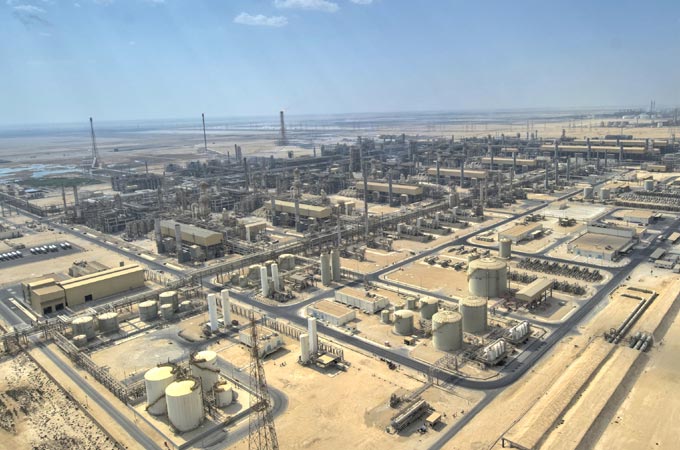
A sharp escalation in the Middle East conflict has triggered unprecedented disruptions across the region’s energy industry, with QatarEnergy announcing a halt to liquefied natural gas (LNG) production.
Earlier, Saudi Arabia’s state oil giant Saudi Aramco suspended its Ras Tanura refinery output following attacks by Iran.
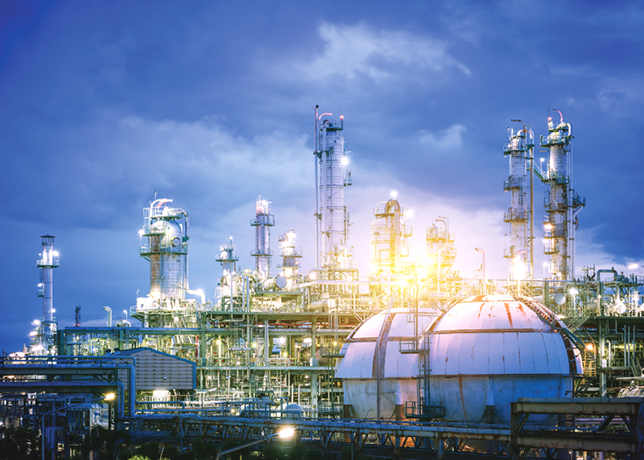
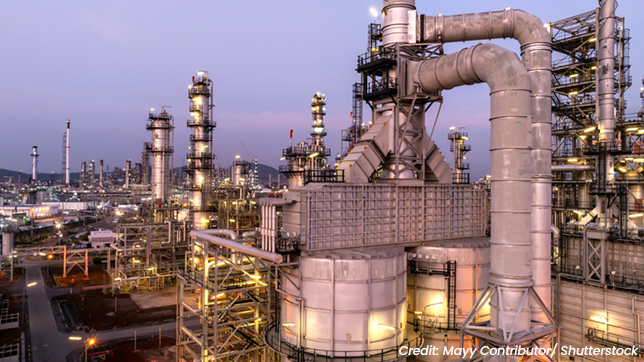
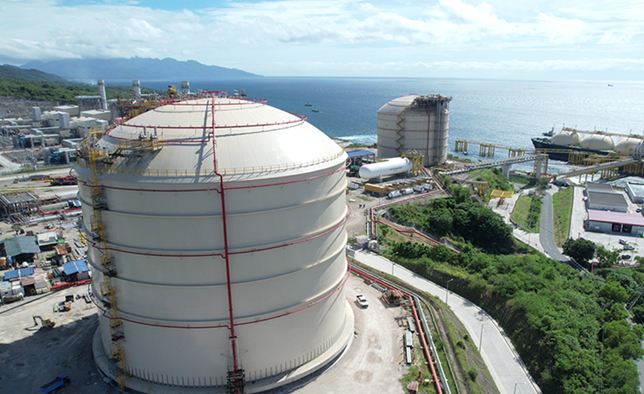
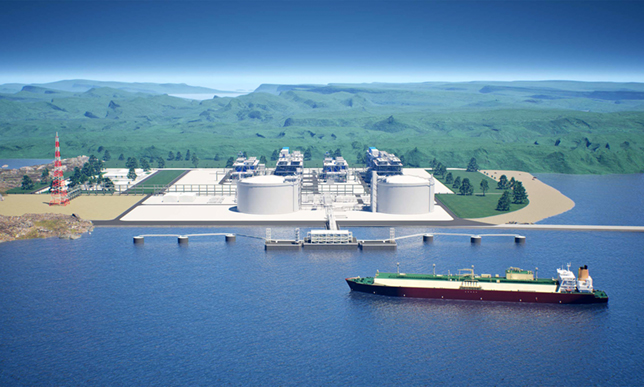
QatarEnergy said it has ceased production of liquefied natural gas (LNG) and associated products due to military attacks on QatarEnergy’s operating facilities in Ras Laffan Industrial City and Mesaieed Industrial City.
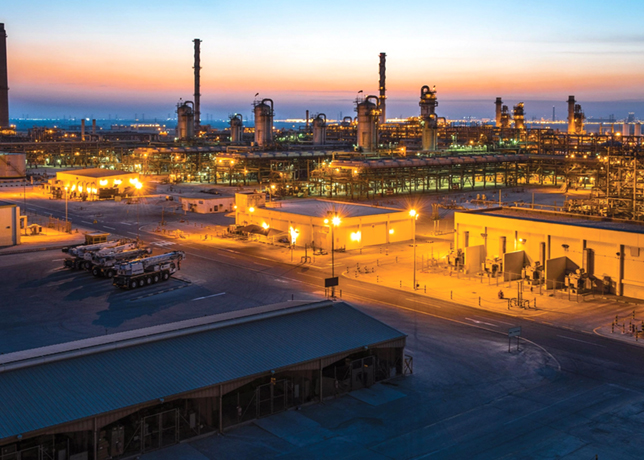
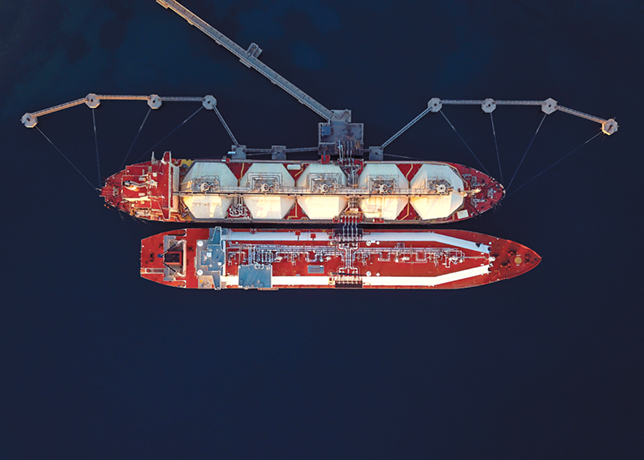
QatarEnergy is the operator of the world’s largest LNG export facilities at Ras Laffan.
The halt — a rare and serious interruption from a country supplying nearly 20% of global LNG — has sent shockwaves through global energy markets, threatening supply to Asia and Europe and pushing gas prices sharply higher.
Industry sources say authorities are still assessing the extent of the damage at Ras Laffan, and exports have been paused “out of an abundance of caution” as security conditions deteriorate across the Gulf.
"QatarEnergy values its relationships with all of its stakeholders and will continue to communicate the latest available information," it said in a X post.
Saudi Aramco’s Ras Tanura Refinery
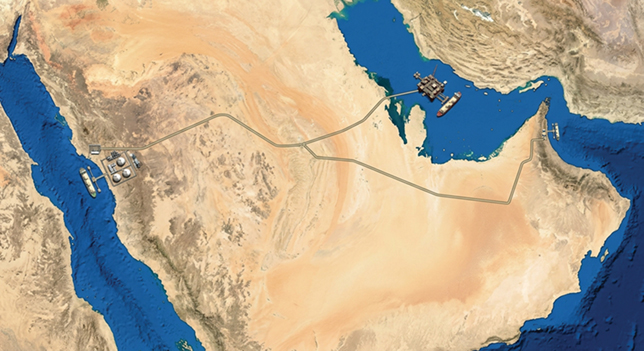
In Saudi Arabia, Saudi Aramco temporarily shut down its key Ras Tanura refinery and export terminal, which processes around 550,000 barrels per day, after a drone attack sparked a fire on the facility. While emergency teams brought the blaze under control, the decision to halt operations reflects growing concerns about the vulnerability of Gulf energy infrastructure in a widening war.
Ras Tanura is one of the world’s most important oil export hubs, and its suspension adds to mounting fears of a significant supply crunch. Analysts say even precautionary shutdowns in the Gulf typically ripple through global oil markets almost immediately.
Iraqi Kurdistan and regional output suspensions
Across the northern Iraqi region of Kurdistan, major oil producers including international and regional firms have halted production and exports of crude as a safeguard against escalating hostilities. The suspension affects roughly 200,000 barrels per day of oil exports, further tightening global supply.
In addition, in northern Iraq’s gas sector, companies such as Dana Gas have stopped natural gas exports from the Khor Mor gas complex to power stations, citing extraordinary security conditions and employee safety concerns.
Oil prices soar as Strait of Hormuz shipments grind to a halt
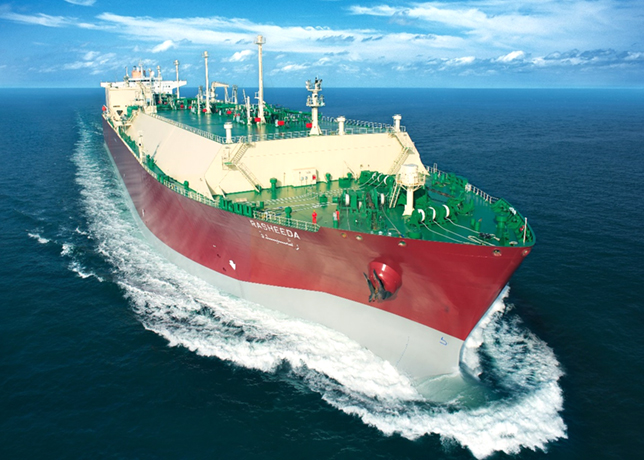
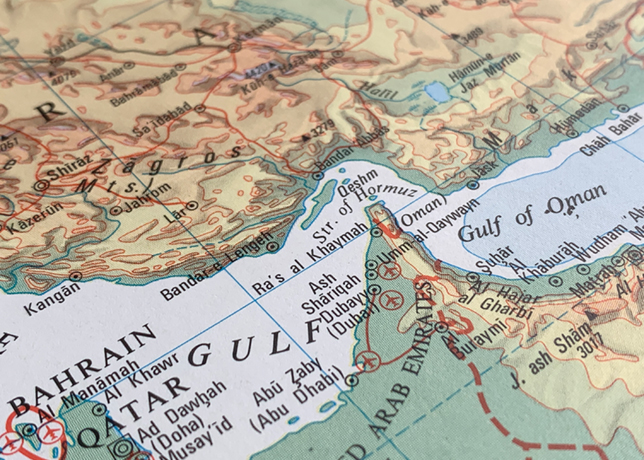
The knock-on effects have reverberated through global markets. Oil prices surged sharply — Brent crude jumped to multi-month highs — as shipping through the Strait of Hormuz, a strategic conduit for roughly one-fifth of global oil and LNG, nearly came to a stop, with dozens of tankers halting transit and waiting offshore.
Major oil and shipping firms have suspended crude, fuel, and LNG movements through the waterway, citing safety concerns. Analysts warn that prolonged disruption could lift crude prices toward or beyond $100 per barrel, with significant effects on inflation and global growth prospects.
S&P Global Platts suspended on Monday bids and offers for some price assessments of Middle East crude, refined products and liquefied natural gas (LNG) that ship through the Strait of Hormuz, citing shipping disruptions from the US–Iran conflict.
Conflict enters third day
The energy disruptions come amid a third consecutive day of intense conflict after a US-Israeli offensive on Iranian targets prompted a fierce retaliation campaign by Iran and allied militias. Iranian forces have launched missiles, drones and missile strikes against targets across the Gulf, including oil and gas infrastructure in Qatar, Saudi Arabia, Kuwait and the UAE.
Global media reports indicate that at least 555 people have been killed in Iran alone, with casualties also mounting in Lebanon, Israel and other theatres of the conflict as Hezbollah and other allied militias engage Israeli forces.
Global economic fallout
The cascading shutdowns have sparked alarm among energy buyers worldwide, particularly in Asia and Europe, where dependence on Gulf crude and LNG is high. With key export terminals offline and maritime risk elevated, buyers are scrambling to diversify supplies, while insurers raise premiums, freight costs climb, and markets brace for extended volatility.