
































































Global oil and gas prices surged on Tuesday as the escalating U.S.-Israeli war with Iran disrupted energy exports from the Middle East, triggering supply fears and sending shockwaves through commodity markets.
The benchmark Brent crude contract jumped nearly 8% to trade above $83 a barrel — its highest level since July 2024 — extending gains since Friday to more than 15%. European natural gas prices spiked by as much as 40% before trimming gains, adding to a similar surge a day earlier. Broader commodities, including sugar, fertiliser and soybeans, also climbed as traders priced in prolonged disruption across key shipping routes.
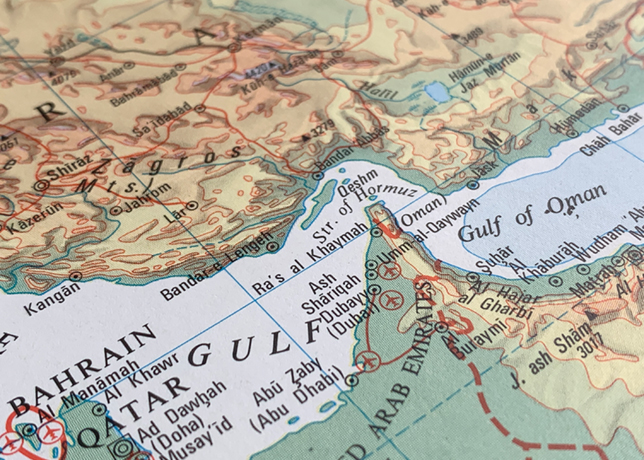
At the heart of the turmoil is the closure of the Strait of Hormuz for a fourth consecutive day, effectively choking off a maritime corridor that handles roughly 20% of global oil and LNG supplies. Iran has attacked at least five vessels in recent days and warned it would “set fire” to any ship attempting to transit the strait, according to Iranian state media citing a senior Islamic Revolutionary Guard Corps official. The threat has brought commercial navigation to a near standstill.
Vessel-tracking data from Vortexa showed crude tanker transits through the strait collapsed to just four ships on March 1 — the day after hostilities intensified — compared with a daily average of 24 since January. Three of the four vessels were Iran-flagged. Dozens of ships remain stranded in the Strait of Hormuz and surrounding waters, while hundreds of oil and LNG tankers are idling near major hubs such as the UAE’s Fujairah port, unable to reach buyers in Asia and Europe.
The disruption is already affecting production decisions. Iraq, OPEC’s second-largest producer, warned it could be forced to cut more than three million barrels per day within days if tankers cannot access loading terminals, according to Iraqi oil officials. Qatar has halted LNG loadings at certain facilities, while other producers across the Gulf are reviewing output levels amid mounting logistical constraints.
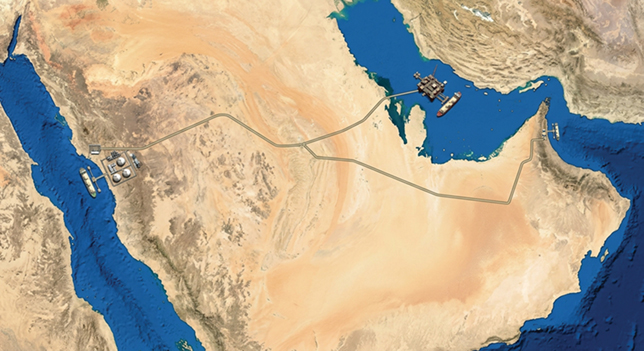
Saudi Arabia's state oil giant Saudi Aramco is attempting to reroute part of its crude exports through its Red Sea terminal at Yanbu to bypass the Strait of Hormuz, Reuters quoted industry sources as saying. The move relies on the East-West Pipeline, which has a nameplate capacity of 5 million barrels per day and was temporarily ramped up to 7 million bpd in 2019 after pipeline conversions.
However, analysts caution that spare capacity is limited and the infrastructure itself could become a target if hostilities escalate.
Saudi move to route oil via Yanbu
Saudi Arabia produced just over 10 million bpd of crude in January, according to OPEC secondary sources. Aramco has informed some buyers of its flagship Arab Light crude that cargoes may need to be loaded from Yanbu instead of Gulf terminals.
Compounding concerns, Aramco shut its largest domestic refinery at Ras Tanura on Monday following a reported drone strike, further tightening regional refining capacity.
Meanwhile, Greece’s shipping minister called for urgent protection of global shipping and seafarers, describing the situation as “alarming” as dozens of vessels remain stranded in and around the strait.
With Iran threatening to target any vessel attempting passage and traffic effectively frozen, markets are bracing for deeper supply shortages if the closure persists. For now, energy flows from one of the world’s most critical chokepoints remain severely constrained — a development with potentially far-reaching consequences for global inflation, trade and economic stability. - TradeArabia News Service