





























































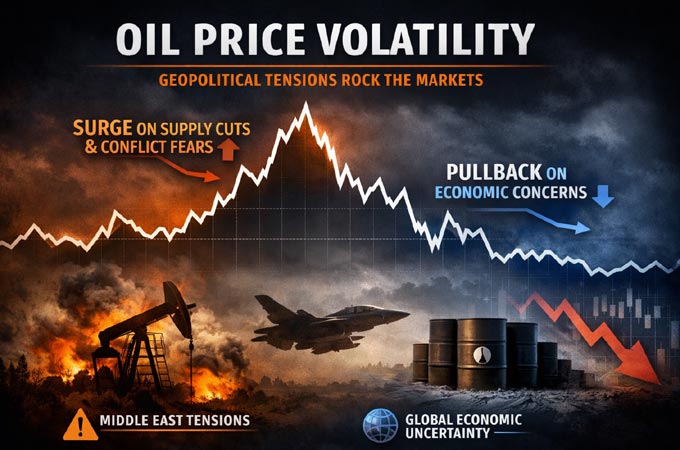
 AI generated image using Chatgpt
Oil prices retreated from early session highs on Monday after briefly surging above $119 a barrel, as markets reacted to supply disruptions linked to the widening conflict involving the United States, Israel and Iran, while traders also weighed the potential economic impact of sharply higher energy costs.
International benchmark Brent crude declined to $102.29 a barrel at 10:53 a.m. EDT (1453 GMT), still up $9.60, or 10.4%, from the previous close. West Texas Intermediate crude (WTI) rose $9.21, or 10.1%, to $100.11, according to a Reuters report.
Earlier in the session, Brent had surged to $119.50 a barrel, its highest level since 2022, while WTI touched $119.48. The spike followed reports that Saudi Arabia and other members of OPEC had curtailed supplies amid disruptions linked to the expanding conflict between the United States, Israel and Iran.
Oil markets have been highly volatile since U.S. and Israeli strikes on Iran on February 28, with Brent climbing as much as 65% and WTI surging 78% during the period. Even with the latest rally, prices remain below the all-time peaks of $147.50 a barrel for Brent and $147.27 for WTI recorded in July 2008, according to data from London Stock Exchange Group (LSEG).
Prices also drew support from political developments in Tehran, including the reported appointment of Mojtaba Khamenei as successor to his father, Ali Khamenei, as Iran’s supreme leader, signalling that hardliners are likely to remain in control during the escalating confrontation.
However, the rally lost momentum later in the session as investors reassessed the broader economic implications of surging crude prices. Analysts said concerns that sharply higher energy costs could fuel inflation and dampen global economic growth prompted profit-taking after the market reached technically overbought levels.
Energy markets are also closely watching deliberations among the Group of Seven (G7), whose finance ministers met to discuss the impact of the conflict on global oil supplies and the wider economy. Officials signalled they were monitoring market volatility and were prepared to coordinate measures to stabilise energy markets if disruptions deepen.
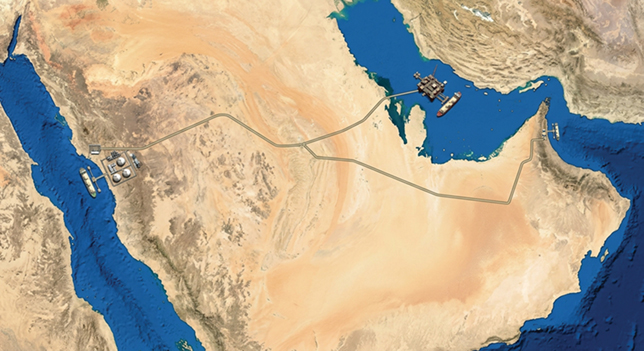
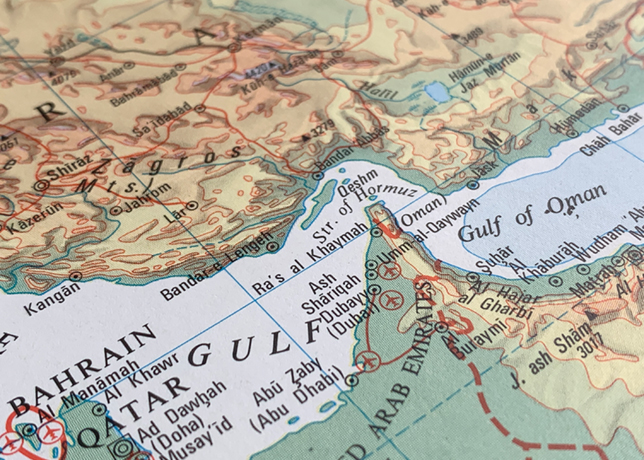
Traders remain focused on whether supply disruptions in the Gulf region could intensify, particularly given the strategic importance of shipping routes such as the Strait of Hormuz, through which roughly a fifth of the world’s oil passes. Any prolonged disruption could tighten global supplies further and keep markets on edge in the coming weeks.