





























































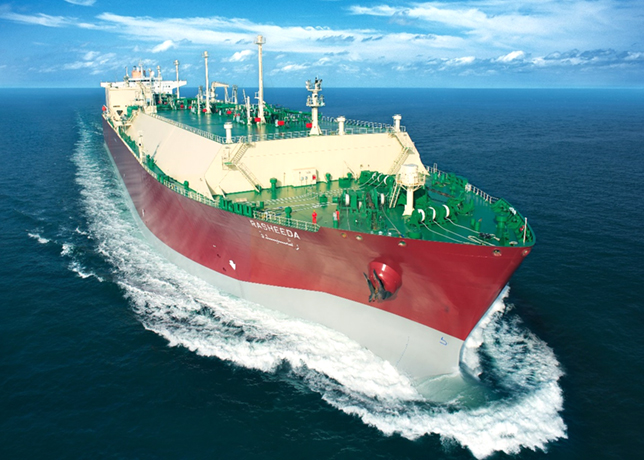








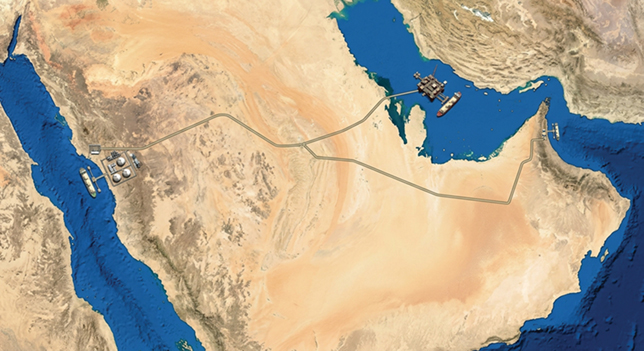



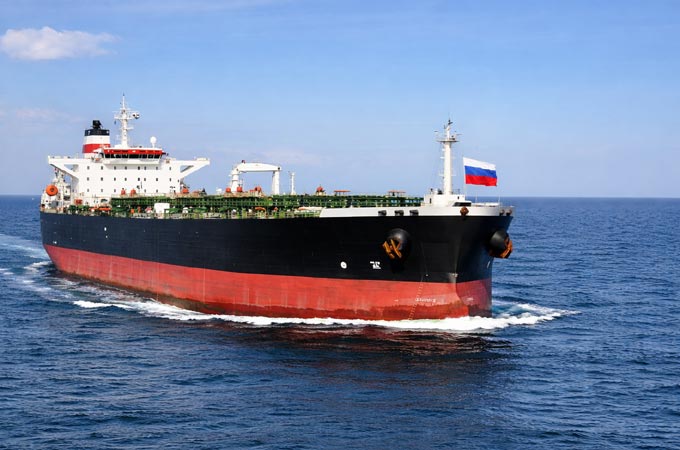
 Image for representation only. Created using AI
The United States has temporarily eased sanctions on Russian oil by allowing countries to purchase cargoes already stranded at sea, as Washington seeks to contain a fresh surge in crude prices triggered by Middle East supply disruptions and fears over restricted energy flows through the Gulf.
The short-term authorisation, announced by US Treasury Secretary Scott Bessent, applies only to oil already in transit and comes as benchmark crude prices climbed above $100 a barrel amid escalating regional tensions.
The move comes as traffic through the Strait of Hormuz remains severely disrupted after attacks on shipping and heightened military tensions linked to the US-Israeli conflict with Iran. Roughly one-fifth of global oil supply normally passes through the waterway, and continued disruption has raised concerns over prolonged supply tightness despite emergency stockpile releases and diplomatic efforts to reassure markets.
“US is taking decisive steps to promote stability in global energy markets and working to keep prices low as we address the threat and instability posed by the terrorist Iranian regime,” Bessent said in a post on X, adding that the Treasury was issuing a temporary authorisation to increase the global reach of existing supply.
He said the measure was “narrowly tailored” and would not deliver significant financial benefit to Moscow because Russian energy revenues are largely collected at the point of extraction.
Bessent said the authorisation was designed to cover only Russian oil already loaded on vessels and stranded by sanctions or shipping disruptions, while maintaining pressure on Russia’s broader energy exports.
The Treasury has previously issued similar limited waivers for cargoes bound for India, one of the largest buyers of discounted Russian crude since Western sanctions were tightened.
Oil prices were still heading for strong weekly gains on Friday, suggesting the waiver has done little to calm wider market concerns. Brent crude rose 10 cents to $100.56 a barrel by 0400 GMT, set for a weekly rise of about 9%, while US West Texas Intermediate slipped 16 cents to $95.57 but remained on track for a 7% weekly gain. Analysts said the market viewed the Russian oil waiver as a temporary relief measure rather than a solution to deeper supply risks.
“ICE Brent futures have already breached $100 per barrel and are still supported today, despite moves to calm the markets with the Russian oil waiver,” said Emril Jamil, senior analyst at LSEG, adding that forward spreads continued to indicate unresolved tightness in global crude supply.