
















































 Image courtesy: Hindustan Times
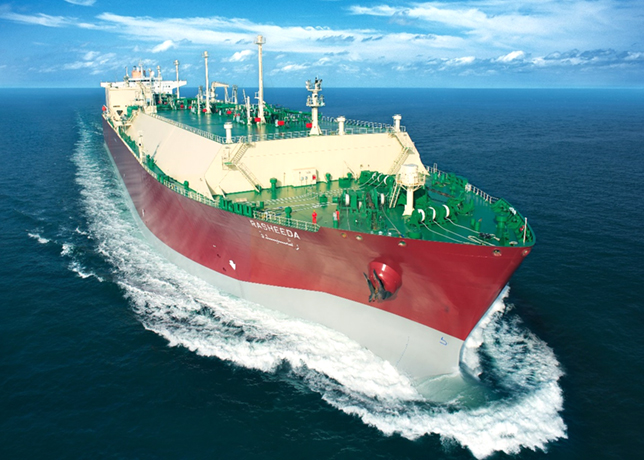
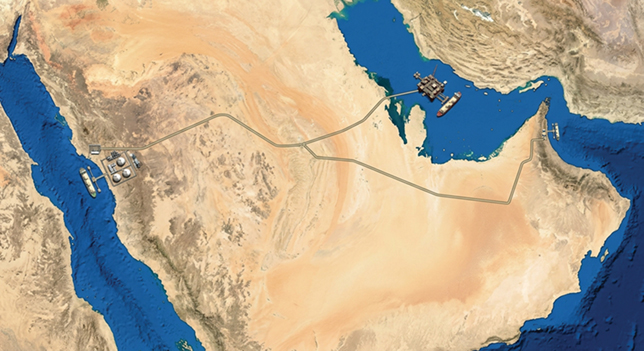
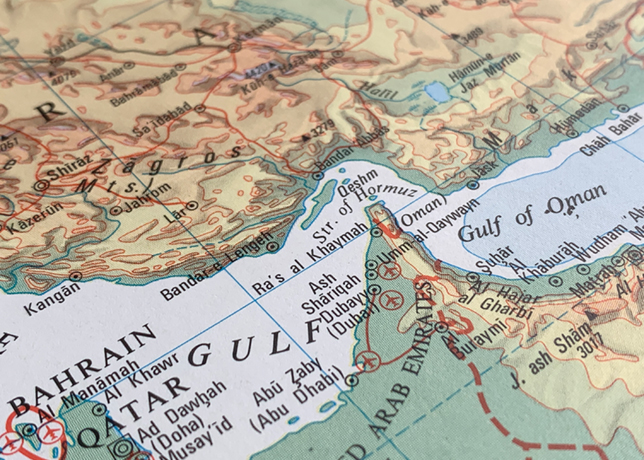
India is pressing Iran to allow more Indian-bound vessels through the Strait of Hormuz after Tehran permitted two Indian-flagged liquefied petroleum gas (LPG) carriers to cross the strategic waterway, as New Delhi seeks to ease mounting energy supply risks from the Gulf conflict.
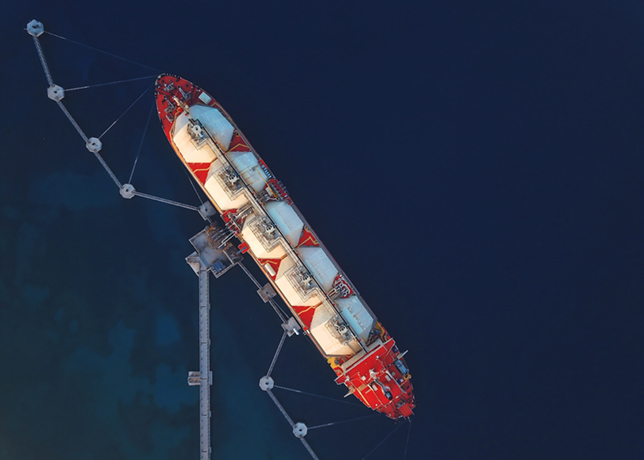
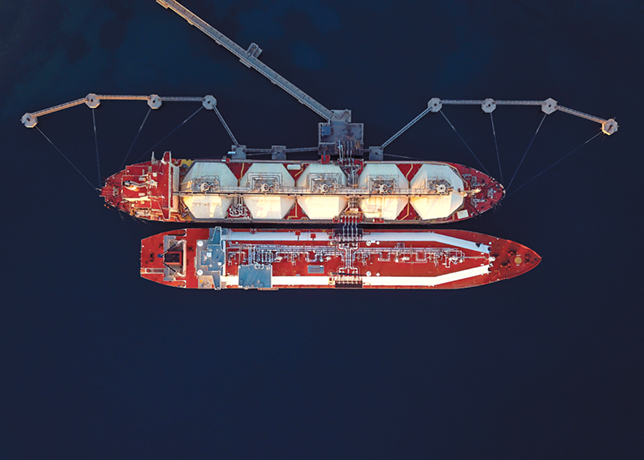
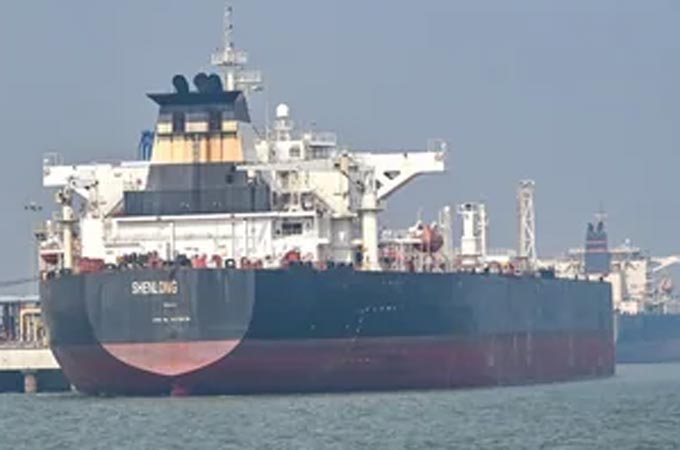
The two vessels — Shivalik and Nanda Devi — carrying more than 92,000 metric tonnes of LPG, were allowed to transit in what officials described as a limited exemption amid Iran’s restrictions on shipping through the strait, through which about one-fifth of global oil and gas supplies normally pass. One vessel has already crossed under Indian naval monitoring, while the second is following the same route toward western Indian ports.
Indian officials said New Delhi has asked Tehran to extend similar clearance to at least 22 additional vessels stranded west of Hormuz, including several energy cargo carriers, as concerns grow over fuel availability and freight disruptions. Iran’s ambassador in New Delhi confirmed that some Indian vessels were being given passage, citing bilateral ties and ongoing diplomatic coordination.
India’s Ministry of Ports, Shipping and Waterways said 24 Indian-flagged vessels with 668 Indian seafarers are currently operating in the Persian Gulf region, while 76 Indian sailors remain on three vessels east of the strait under close monitoring. Around 23,000 Indian seafarers are employed across merchant and offshore fleets in the wider Gulf.
The Hormuz disruption has become a critical concern for India because roughly 40% of its crude imports and nearly 90% of LPG imports depend on Gulf shipping lanes. Officials have already prioritised household fuel distribution in some regions as precautionary measures against supply shortages.
Shipping markets are also feeling the strain, with insurers raising war-risk premiums and vessel operators reassessing Gulf routes after multiple attacks on commercial ships this week near Iraqi and Hormuz waters. At least six vessels have come under attack in recent days, adding to pressure on freight rates and cargo scheduling across Asia-bound routes.
Diplomatic engagement has intensified, with Prime Minister Narendra Modi reported to have raised transit concerns directly with Iranian President Masoud Pezeshkian, while New Delhi also remains in contact with Gulf states, Washington and other partners to secure maritime movement.
Analysts say India’s immediate objective is to secure a practical corridor for essential cargoes rather than seek a broader political exemption, as prolonged disruption in Hormuz could sharply raise import costs, pressure refinery planning and affect industrial fuel availability across Asia.