

































































Oil prices edged lower on Wednesday after surging in the previous session, as traders weighed fresh US inventory data and signs of possible export relief from northern Iraq against continuing concerns over Middle East supply disruptions.
Brent crude futures fell about 2% to around $101.1 a barrel in early trade, while US West Texas Intermediate (WTI) crude declined to about $93.16 a barrel.
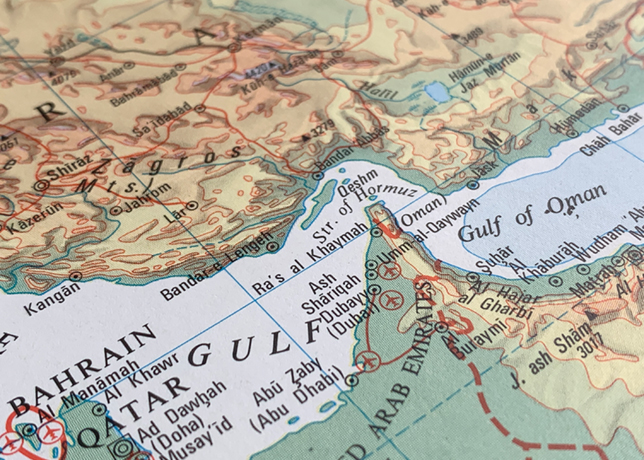
The market remained supported by persistent geopolitical tensions in the Gulf, particularly after renewed attacks affecting energy infrastructure and continued uncertainty around shipping through the Strait of Hormuz, through which roughly a fifth of global oil and liquefied natural gas trade passes.
Analysts said prices were also pressured by industry data showing a build-up in US crude inventories, which suggested near-term supply in the world’s largest oil consumer remains adequate despite geopolitical risks. At the same time, reports that Iraq and Kurdish authorities had reached an agreement to resume exports through the Turkish port of Ceyhan offered some relief to supply concerns.
Meanwhile, Standard Chartered has increased its average Brent price forecast for 2026 to $85.50/bbl from $70.00/bbl and for 2027 to $77.50/bbl from $67.00/bbl. However, StanChart has predicted that oil prices will gradually ease as the months and quarters roll on, with Brent crude averaging $78.00/bbl in Q1 2026; $98.00/bbl in Q2 2026, $85.00/bbl in Q3 2026 and $80.50/bbl in Q4 2026.
StanChart estimates that the Middle East war has cut global oil supply by 7.4-8.2 million barrels per day (mb/d), with Iraq’s production down by 2.9 mb/d, 2.0-2.5 mb/d in Saudi Arabia, 0.5-0.8 mb/d in the UAE, 0.5 mb/d in Qatar and 0.5 mb/d in Kuwait. Further, the commodity experts estimate that Iranian production is 1 mb/d lower than pre-conflict volumes.
However, StanChart notes that all exports that can be diverted from the Strait of Hormuz have already been, meaning no meaningful increases in global oil supplies are likely to be seen unless the blockade eases.
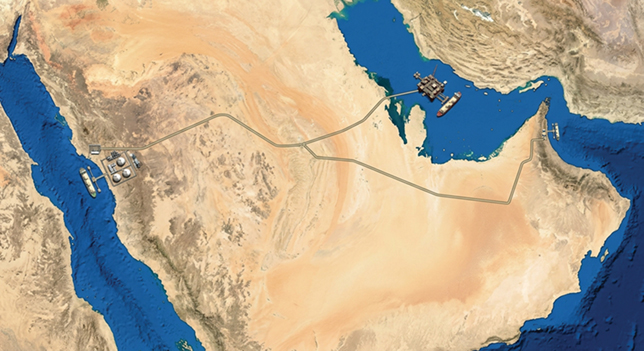
Saudi Arabia is utilising the temporary additional capacity in the East-West pipeline to raise transit volumes to the Red Sea to 7 mb/d.