
































































Developments in the offshore energy sector are highlighting the important role of offshore support vessels as the industry moves toward innovation, sustainability, and renewable energy.
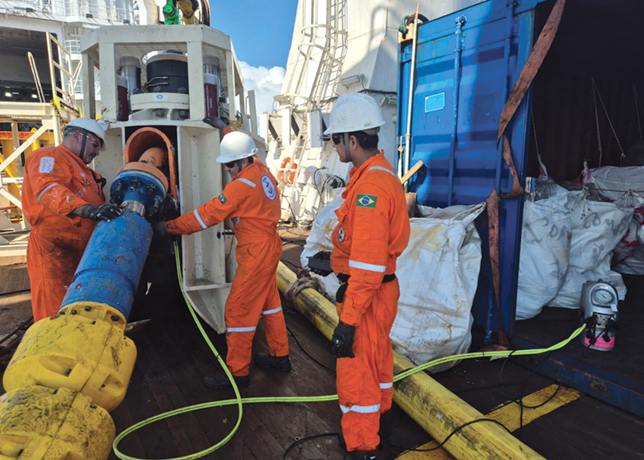
Offshore construction and support vessels are essential for building both traditional oil and gas projects and the next generation of offshore wind farms and renewable energy sites. These vessels support subsea installation, platform construction, maintenance, pipeline work, and transporting wind turbine equipment.
Vessel ownership, deployment, and logistics are increasingly shaped by advances in technology, changing environmental regulations, and the industry’s push to lower its carbon footprint.
Researchers with the Independent Energy Market Analysis Initiative say the offshore sector is being shaped by new opportunities in renewables and a focus on efficiency and environmental responsibility.
The initiative studies how technology, sustainability targets, and changes in global energy markets influence offshore infrastructure and maritime logistics. Analysts say these factors are more interconnected as the energy transition speeds up.
“The offshore energy industry is shaped by commercial opportunities, growing demand for renewables, stricter environmental standards, and fast-changing technology,” the researchers said.
Industry analysts note that the market for offshore support vessels is quickly changing as companies invest in vessels suited for both fossil fuel and renewable projects.
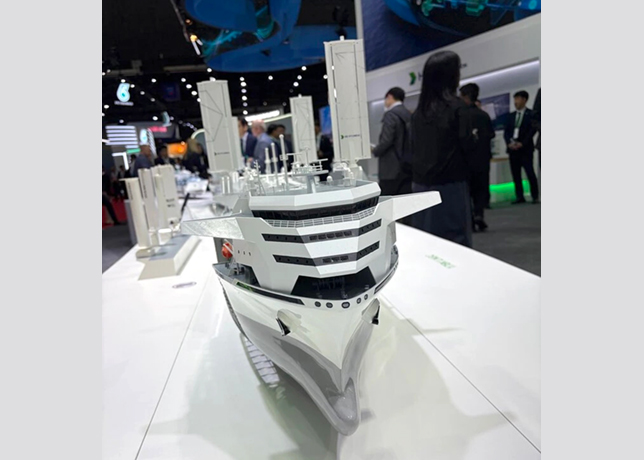
Offshore support vessels remain key to large energy developments. Many are now equipped with technology for installing offshore wind turbines, subsea cables, and other infrastructure for cleaner energy.
Companies are exploring ways to redeploy offshore vessels to support new offshore wind markets in the North Sea, the US East Coast, and Asia-Pacific.
Experts say deals involving offshore vessels now center on whether a vessel can meet the technical and environmental needs of the fast-growing renewables sector.
There is strong demand for vessels with cable-laying, heavy-lift, and low-emissions capabilities as the offshore wind and renewables market grows.
Offshore vessels also rely on global financing and insurance, often provided by Protection and Indemnity (P&I) clubs. Lenders and insurers are starting to prioritize vessels that can serve the renewables sector.
Banks and insurers are backing investments in vessels that meet new standards for emissions, efficiency, and safety, reflecting the move toward more sustainable operations.
Analysts say these standards are shaping how companies approach vessel upgrades and redeployments, with a preference for vessels capable of handling both conventional and renewable projects. As the energy mix evolves, vessels that support cable-laying, turbine installation, and other clean energy tasks are in demand. Researchers also note that how these vessels move and are used can have broader effects on energy markets and infrastructure.
“Offshore vessels are where energy markets, maritime logistics, and technology meet,” analysts said. “Understanding these connections is key as offshore wind and renewables grow.”
Industry analysts say there is more focus than ever on vessel capabilities as innovation speeds up and companies push for greener operations. As energy markets evolve, offshore support vessels will remain central to the construction and maintenance of oil, gas, and renewable energy projects. Companies must balance business opportunities with technological advancements, environmental responsibility, and evolving market needs. Some offshore services companies contacted about new vessel capabilities and renewables projects declined to comment. Experts say this trend shows how quickly technology and environmental standards are changing in global energy markets.
One maritime industry consultant said, "As sanctions frameworks evolve, companies operating offshore assets are likely to take a cautious approach to transactions that could attract regulatory attention."