









































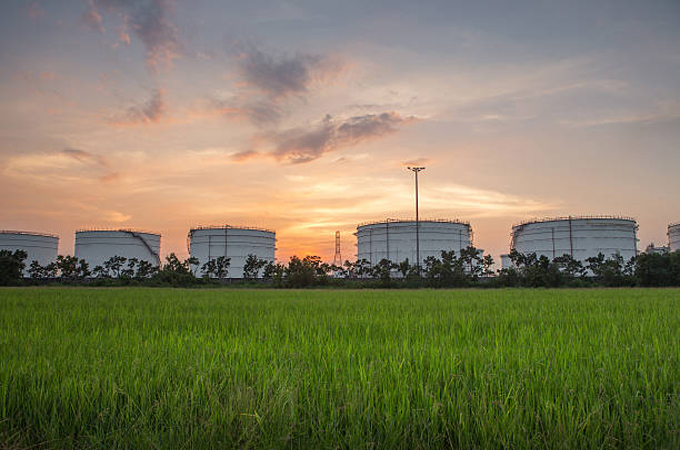
 Image by Kobackpacko/ iStock
Japan plans to release 20 days' worth of oil reserves from May, Prime Minister Sanae Takaichi told a cabinet meeting, to ensure stable domestic supply while searching for non-Middle East barrels as conflict in the region disrupts global supply.
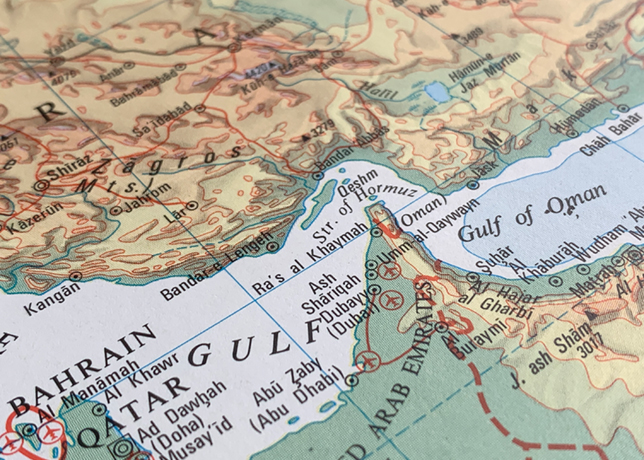
The US and Iran have agreed on a two-week ceasefire to the war that began in late February, but there is no sign of Iran lifting its near-total blockade of the Strait of Hormuz, which has caused the worst-ever disruption to global energy supplies, reported Reuters.
Japan is dependent on the Middle East for some 95 per cent of its oil.
It began releasing reserves on March 16 unilaterally and in coordination with other nations under a plan to make available enough oil to last 50 days.
The 20 days' worth is additional.
As of April 7, Japan had enough oil for 228 days in its reserves, including 143 days in its public stockpile. The new release would come from the public stockpile, Takaichi said.
Japan is conducting the new oil stockpile release independently but will continue to coordinate with the International Energy Agency, Narumi Hosokawa, deputy director-general for immediate crisis management at the Ministry of Economy, Trade and Industry, told a briefing.
Last month, Takaichi asked the IEA chief Fatih Birol for an additional coordinated release of oil stockpiles.
ALTERNATIVE SUPPLIES
By May, Japan should be able to secure more than half of oil imports via routes that do not include the Strait of Hormuz, Takaichi said, without naming the sources.
Japan is bringing substitute oil supply from the US, its closest ally, and those levels will be four times higher in May than a year earlier, a document released by METI showed .
Last May, Japan was importing around 189,000 barrels of oil per day from the US, or some 8 per cent of its total crude oil purchases that month, according to customs data, and US officials have called on Japan to buy more.
Japan has also contacted suppliers in countries across the world including Malaysia, Azerbaijan, Brazil, Nigeria and Angola, METI has said.
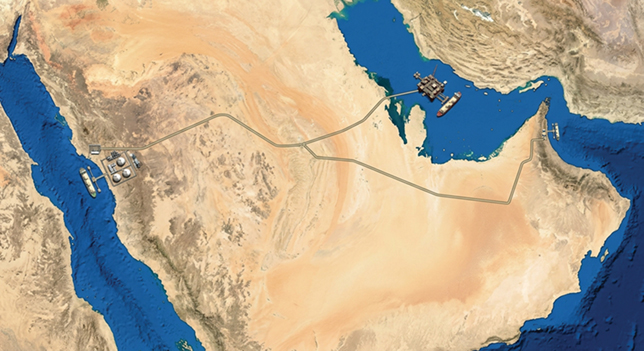
Tokyo is also using supply from the Middle East which bypasses the Strait of Hormuz, including from the Port of Yanbu on Saudi Arabia's Red Sea coast and Port of Fujairah in the UAE.
The government has asked suppliers to sell fuel directly to sectors such as healthcare, transportation and agriculture, including green tea producers, livestock and fisheries, according to Takaichi.