

























































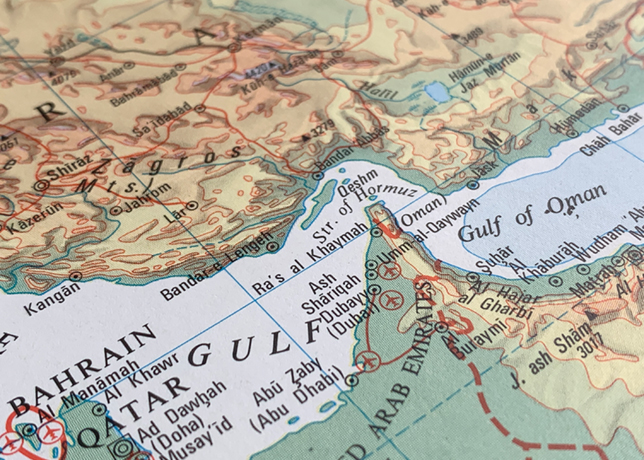


Global oil prices climbed further on Monday, underscoring mounting concern over the energy crisis triggered by the US-Iran conflict and shipping disruptions in the Strait of Hormuz.
Benchmark Brent crude futures rose initially to touch $107.97 a barrel, extending last week’s sharp 16.5% rally.
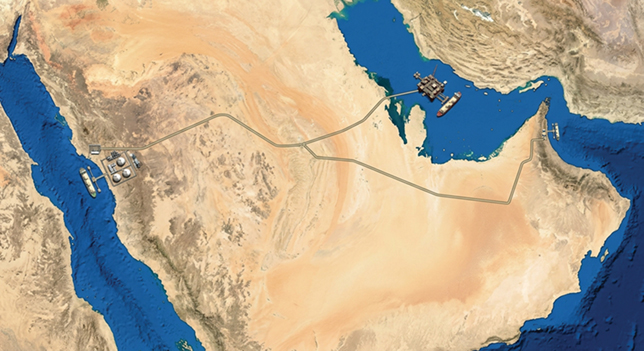
The rise comes as stalled diplomatic efforts between the United States and Iran prolong disruptions to Middle Eastern energy exports. Shipping traffic through the Strait of Hormuz — a critical artery for global oil supplies — remains constrained, tightening supply and keeping upward pressure on prices.
Analysts say the ongoing supply shock is being exacerbated by a slower-than-expected recovery in Gulf production.
Goldman Sachs has raised its fourth-quarter oil price forecasts to $90 per barrel for Brent and $83 for West Texas Intermediate, citing reduced output from the region.
“The economic risks are larger than our crude base case alone suggests,” Goldman Sachs analysts led by Daan Struyven said in a note dated April 26, pointing to upside risks to oil prices, elevated refined product costs, and the potential for shortages amid what they described as an “unprecedented scale of shock.”
The bank now expects a delayed normalisation of Gulf exports via the Strait of Hormuz by end-June, compared to earlier expectations of mid-May, alongside a slower recovery in production levels.
According to Goldman Sachs estimates, as much as 14.5 million barrels per day of Middle Eastern crude output has been disrupted, pushing global inventories into a record drawdown pace of 11–12 million barrels per day in April. The firm projects the global oil market could swing dramatically from a surplus of 1.8 million bpd in 2025 to a deficit of 9.6 million bpd in the second quarter of 2026.