























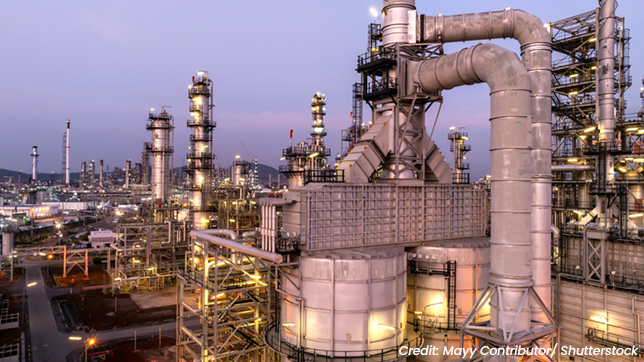





















In a shock move poised to rattle global oil
markets, the UAE has announced it will exit the Organisation of the Petroleum
Exporting Countries and its wider Opec+ grouping, effective May 1, 2026.
The decision marks one of the most
significant shifts in the global energy landscape in recent years, potentially
redrawing supply dynamics at a time of heightened geopolitical and market
uncertainty. The move signals Abu Dhabi’s intent to chart an independent
production path, unbound by Opec quotas that have long shaped global crude
output.
State news agency Emirates News Agency said
the decision follows a comprehensive review of the country’s production policy,
current capacity and long-term energy strategy. It added that the move aligns
with national interests and the UAE’s commitment to playing a “responsible and
reliable” role in meeting global energy demand.
WHY THIS MATTERS
The UAE is one of the world’s top oil
producers. It currently pumps around 3.2–3.5 million barrels per day (bpd) of
crude oil, with installed capacity estimated at about 4 million bpd, and
ambitious plans to raise this to 5 million bpd by 2027.
Exports account for the bulk of its
production, with roughly 2.5–3 million bpd shipped to international markets,
primarily in Asia.
As a key Opec member with one of the
group’s largest spare capacities, the UAE has played a crucial role in
balancing supply cuts and increases. Its exit could:
- Weaken Opec’s ability to manage prices
through coordinated output
- Trigger competitive production increases
among major producers
- Introduce fresh volatility into already
sensitive energy markets The UAE has in recent years invested heavily in
expanding upstream capacity while simultaneously pushing into renewables and
low-carbon energy, reflecting a broader diversification strategy.
By stepping away from Opec+, the country
appears to be prioritising flexibility—allowing it to maximise output and
market share at a time when global demand patterns are shifting.
The full impact of the move will depend on
how other major producers, including Saudi Arabia and Russia, respond in the
coming weeks.
VOW TO ACT RESPONSIBLY
Following its exit, the UAE will continue
to act responsibly, bringing additional production to market in a gradual and
measured manner, aligned with demand and market conditions.
With a large and competitive resource base,
the UAE will continue working with partners to develop resources, supporting
economic growth and diversification.
This decision does not alter the UAE’s
commitment to global market stability or its approach based on cooperation with
producers and consumers. Rather, it enhances the UAE’s ability to respond to
evolving market needs, it said.
“We reaffirm our appreciation for the
efforts of both Opec and the Opec+ alliance and wish them success. During our
time in the organisation, we made significant contributions and even greater
sacrifices for the benefit of all. However, the time has come to focus our
efforts on what our national interest dictates and our commitment to our
investors, customers, partners and global energy markets. This is what we will
focus on going forward,” said a spokesperson.
A balanced and forward - looking approach
The UAE reaffirmed that its production policies will be guided by
responsibility and market stability, taking into account global supply and
demand.
It will continue investing across the
energy value chain, including oil, gas, renewables, and low-carbon solutions,
to support resilience and long-term energy system transformation.
The UAE values more than five decades of
cooperation with partners and will continue active engagement in support of
stable global energy markets.
Sovereign responsibility in a new energy
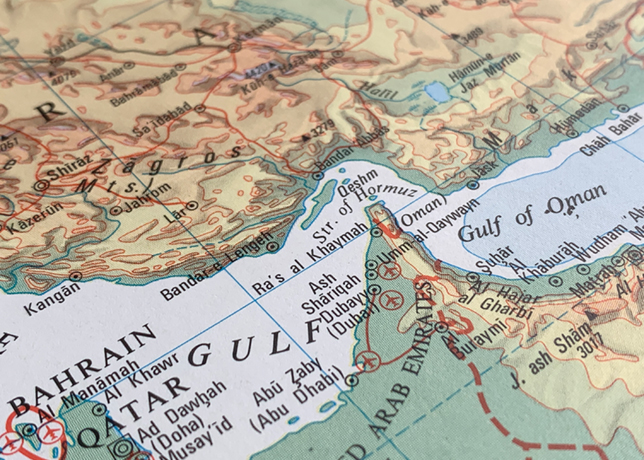
age While near-term volatility, including disruptions in the Arabian Gulf and
the Strait of Hormuz, continues to affect supply dynamics, underlying trends
point to sustained growth in global energy demand over the medium to long term,
it said.
A stable global energy system depends on
flexible, reliable, and affordable supply, it said.
The UAE has invested to meet evolving
demand efficiently and responsibly, prioritising stability, affordability, and
sustainability.
This decision follows decades of
constructive cooperation, it said.
The UAE joined Opec in 1967 through the
Emirate of Abu Dhabi and continued its membership following the formation of
the UAE in 1971.
Throughout this period, the UAE has played
an active role in supporting global oil market stability and strengthening
dialogue among producing nations.
The decision reflects a policy-driven evolution in the UAE’s approach, enhancing flexibility to respond to market dynamics while continuing to contribute to stability in a measured and responsible manner. -OGN/TradeArabia News Service