
































































Korean low-cost carriers have cut 900 round-trip flights, and introduced unpaid leave and other emergency measures as the ongoing conflict in the Middle East has driven up fuel prices, industry officials said.
According to Yonhap News Agency, the flight cuts came as jet
fuel prices surged following the US-Iran conflict.
As some airlines have yet to finalise their June schedules,
the number of flight reductions is expected to increase further, according to
the officials.
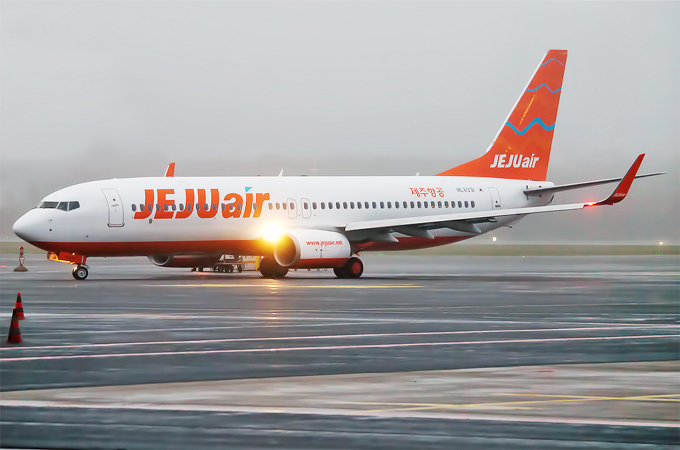
Jeju Air decided to cut 187 round-trip international
flights, equivalent to 4 per cent of its total operations, on routes from
Incheon, west of Seoul, to Bangkok, Singapore, and the Vietnamese cities of Da
Nang and Phu Quoc during May and June. Since late April, it has also suspended
its Vientiane route for two months.
Jin Air cut 176 round-trip flights to destinations,
including Guam and Phu Quoc, through the end of this month.
Further reductions
are expected once its June schedule is finalised.
Among full-service carriers, Asiana Airlines has cut 27
round-trip flights on six routes, including Phnom Penh and Istanbul, through
July following the outbreak of the Middle East conflict.
Korean Air has not yet adjusted its flight operations but
said it is closely monitoring the situation under an emergency management
system.
Jet fuel prices have surged 2.5 times since the outbreak of
the war.
The average Singapore jet fuel price, which is used as the
benchmark for fuel surcharges, stood at $214.71 per barrel from March 16 to
April 15, up 150 per cent from two months earlier.
Budget airlines are particularly vulnerable due to their weaker financial conditions compared with major carriers.