








































Abu Dhabi Oil Refining Co (Takreer) is advancing with a two-stage programme to produce cleaner transportation fuels.
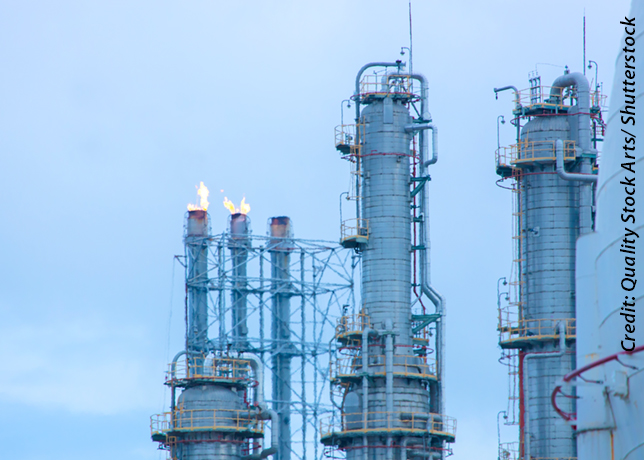
Takreer, an affiliate of Adnoc, is in the advanced stages of the programme through the implementation of unleaded gasoline and low-sulphur gas oil projects at its Ruwais and Umm Al-Nar refineries, the company said.
Part of the project, involving the construction of blending and new storage facilities at the Umm Al-Nar refinery, is being carried out by the Abu Dhabi-based National Petroleum Construction Co (NPCC). The contract is valued at $16 million.
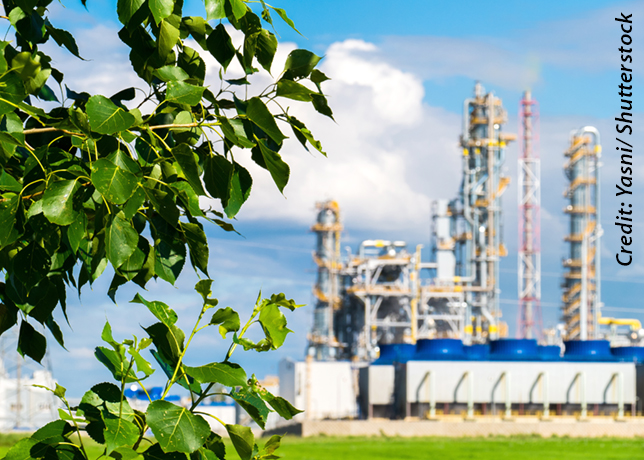
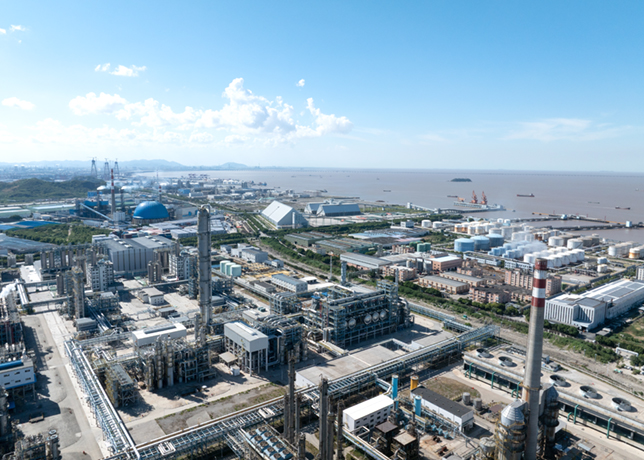
Italy's Technip is undertaking the $480-million Ruwais refinery expansion, involving the installation of production-enhancing units for unleaded gasoline and low-sulphur gas oil. Commercial production of these products is expected to start in the middle of 2005.
The sulphur recovery unit at Ruwais, which has a current recovery rate of 95 per cent, is also being replaced under the first phase. The unit, which will improve recovery to 99 per cent, is being built by India's Larsen & Toubro under a $5.5 million contract signed in 2003.
For the second stage of the programme, French engineer Technip has completed a feasibility study on the changes required for both refineries to produce high quality diesel, with a reduced sulfur content of 10 parts per million (ppm) from a current 50 ppm. Auxiliary improvements to diesel quality such as the distillation boiling range, flow properties and aromatic content are also included in the plans, known as the "green diesel" project.
The second stage would include an upgrade of the existing gas oil hydrotreater at Umm Al-Nar and a new diesel hydrotreater at Ruwais.
A project management contract is expected to be awarded in the first quarter of 2005, and the front-end engineering and design contract in the third quarter of next year, once the results of the feasibility study are analyzed. Work is expected to last three years, with commercial operations beginning by 2010, the company said.
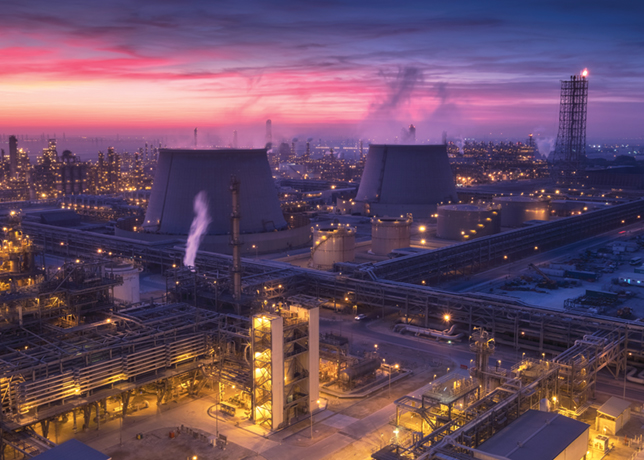
Ruwais refinery has a capacity of 420,000 barrels per day (bpd), including two 140,000 bpd condensate-processing trains that came on stream in 2000.
The smaller Umm Al-Nar refinery, built in 1983, has a capacity of 88,000 bpd, and receives its crude from the onshore Asab and Sahil fields.


