




























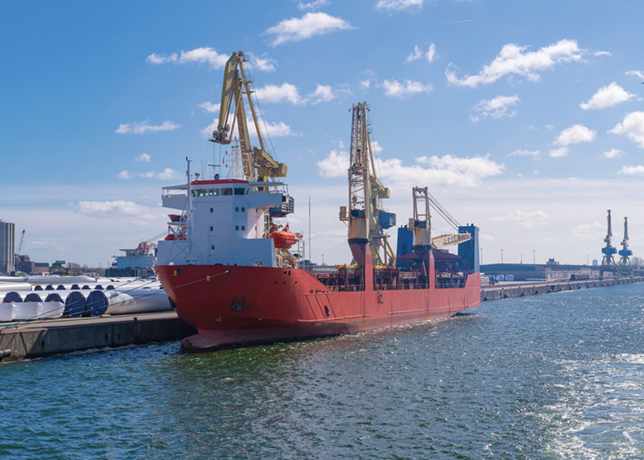









Slow regulatory approval and safety concerns are crimping development of liquefied natural gas terminals to supply the growing US market, according to the president of one LNG company.
While other countries are looking to increase LNG imports, US utilities are hesitating to sign long term purchasing contracts due to concerns about demand growth.
In addition, local worries about putting regasification terminals near populated areas has hindered approval of new projects, said Kathleen Eisbrenner of Excelerate Energy.
"While the US is making progress, it puts a lot of stumbling blocks in its way relative to what other countries are doing to facilitate deliveries,” Eisbrenner said.
Eisbrenner said local resistance to siting import terminals is due to “exaggerated” safety, security and environmental concerns.
Opponents say LNG tankers and terminals present a risk of explosion and fire, make juicy militant targets and threaten scenic vistas, fish populations and sea bottoms.
But LNG, a way of shipping gas overseas when pipelines are impossible or uneconomic, is safe and will be needed because US gas supplies are declining, Eisbrenner said.
LNG backers say tests show limited explosive risk. Gas is super-cooled to liquefy it and is not pressurised. The industry has a nearly pristine safety record over the past 40 years and gas is the cleanest-burning carbon fuel, advocates say.
On the regulatory side, Excelerate won permits to build a terminal at Teesside in the United Kingdom, in 13 weeks, far more quickly than in the world’s top energy consumer.
“In the US, it’s taking close to 30 months, a dramatic difference,” she said.
Eisbrenner said concern that US demand is not robust enough to support new terminals is unfounded. Demand has been masked by “mild winters as opposed to normal winters, and we didn’t experience hurricanes last summer,” she said.

