










































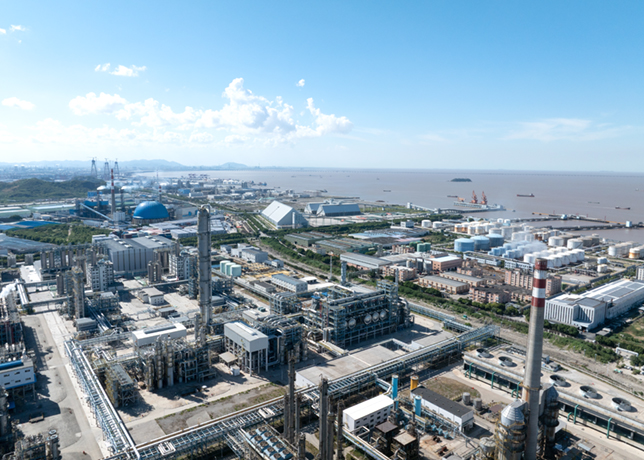




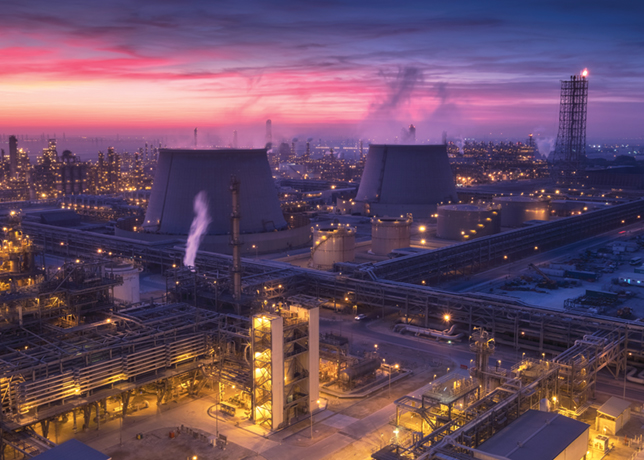


China is importing a surprisingly high volume of motor fuel in September while slashing exports, as lower refinery runs persisted for the third consecutive month despite peak summer demand.
Chinese gasoline imports were seen at 120,000 tonnes for this month, the highest monthly volume since at least 2004 and exports were cut by more than half to 90,000 tonnes, almost a record-low, a survey of trade sources showed.
But such abundant imports may not last and China is not likely to follow top consumer the US in shipping in gasoline to meet peak demand during the summer driving season, analysts say.
"China has been cutting gasoline exports the last two years because of growing internal demand. They prefer to be self-sufficient and they don’t desire to be a net gasoline importer,” said David Hurd, oil analyst from Deustche Bank in Beijing.
China hardly imported any gasoline until September and exported as much as half a million tonnes in May, as the country has ample domestic supplies from the many cracking facilities at refineries run by state companies and independent firms.
The world’s second-biggest energy user has been cutting gasoline shipments since exports jumped by 340 per cent in June versus a year ago, as demand surged during the hot months.
Summer demand also soaked up supply of gas oil used heavily for construction, transportation and power generation during the warm months.
Chinese downstream giant Sinopec halted September diesel exports for the first time in eight years due to shortfalls caused by plant maintenance.
"Domestic demand is still strong as prices are relatively low compared to international markets. There is supply tightness from refinery maintenance and continuing construction for the Olympics will support demand as well," said Gerard Rigby, a Sydney-based consultant with Fuel First.
Many industry observers said it was untimely for refinery units to go offline during the peak demand season. Some questioned whether the shutdowns were necessary, or if the move was to pressure the government to raise prices as refiners struggled with high costs of crude at above $76 a barrel.
"I won't be surprised to see a repeat. In the past when margins got hit negatively, major oil companies sometimes subtly protest to the government by going into maintenance and export as much fuel as they could to impact the market," said Jeff Brown, director from FACTS Global Energy in Singapore.
But exports are now limited by Beijing's mandate to ensure sufficient domestic supply.
China's top dozen refineries will cut operation rates by more than 3 per cent this month from August levels, the third monthly drop in a row due to heavy maintenance works, which may help refiners trim losses from selling fuel at state-set prices.
These plants, which make up more than a third of China's capacity, will process 2.38 million barrels per day (bpd) of crude in September, 80,000 bpd less than in August and 180,000 bpd below June's level, a survey found.The levels were just below the 2.39 million bpd processed in September last year.
Since late August, at least six main refineries under Sinopec and rival PetroChina have started repair or retooling works in an unusually busy maintenance schedule.
Exacerbating the supply tightness were lower operating rates from smaller refineries.