

























Dana Gas, the Middle East’s first regional private-sector natural gas company, said its Convertible Sukuk Offering, launched this month, has been further increased by $125 million to $1 billion.
This is the second increase from the initial issue size of $750 million following continuing strong demand, primarily from international investors.
JPMorgan acted as sole bookrunner and lead manager on the offering.
Barclays Capital and Citi are acting as joint lead managers on the Offering.
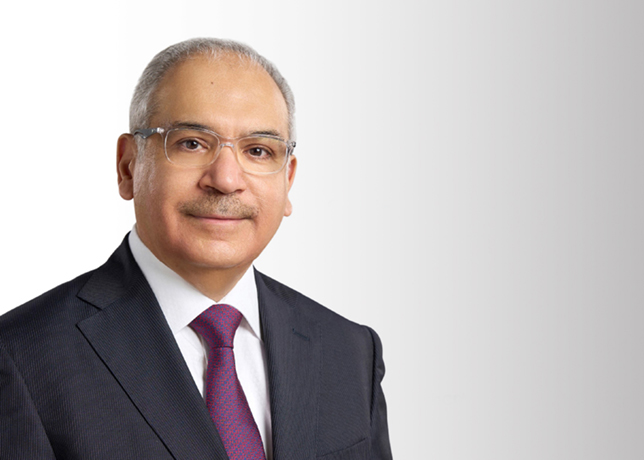
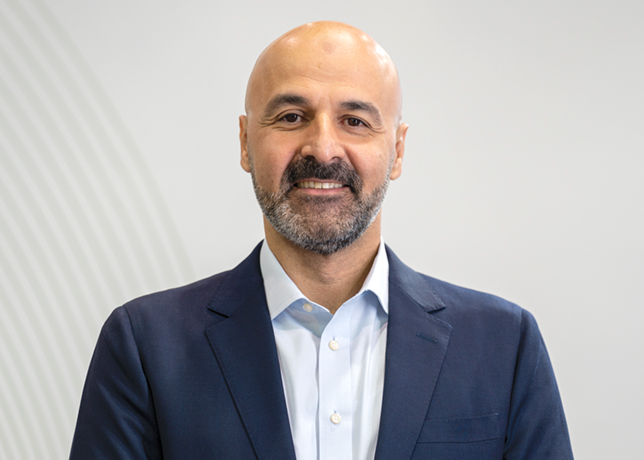
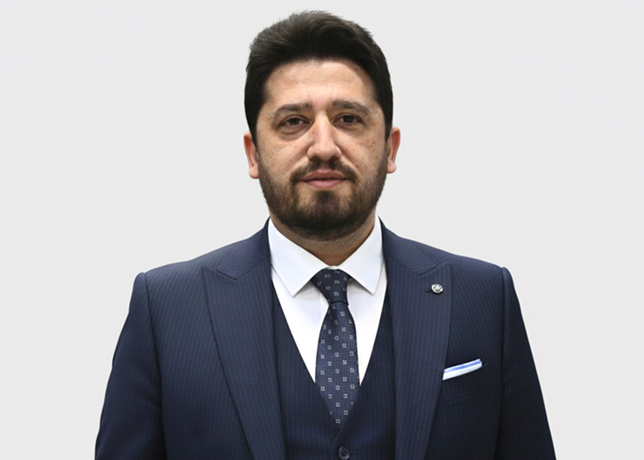
Dana Gas executive chairman Hamid Jafar said: “We are delighted by the continued enthusiasm for our Sukuk offering which has encouraged us to increase the size of our issue for a second time.
“This clearly demonstrates the strength of international investor support for Dana Gas’s business and strategy, and for its unique position in the fast-growing Middle Eastern gas sector.”
Dana Gas has issued its innovative Sukuk as part of its strategy to put in place the most optimal structure to fund its rapid growth and expansion in the natural gas business sector.
Worldwide Islamic banking assets currently total around $500 billion and are growing at over 15 per cent per annum, with Islamic banks and financial institutions managing over $250 billion of assets and a further $200 to $300 billion managed by the Islamic subsidiaries of international banks.
Dana Gas’s Sukuk is the first major accelerated convertible bond to be issued in the Middle East.
These Sukuk are the most sophisticated equity-linked structures to be issued in the region, due to their unique features combining a forward-start pricing structure and delayed settlement within a Shariah compliant instrument.
The issue of the convertible Sukuk offering was approved by the company’s shareholders at an extraordinary general meeting held in July.
Structured as a Sukuk Al Mudarabah, the Dana Gas Sukuk matures in 2012 and has a fixed profit rate of 7.5 per cent.
The reference share price, to which an exchange premium of 10 per cent will apply, will be set in nine months’ time, reflecting the management’s confidence in the company’s near-term future growth.
The Sukuk closing is expected by October 31.
Post-closing it is intended that the bonds shall be traded on the Professional Securities Market of London Stock Exchange in London.
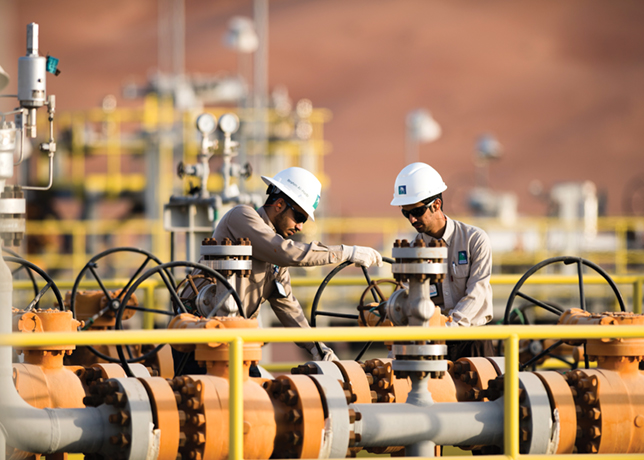
Dana Gas is currently active in all aspects of the rapidly growing natural gas business in several countries across the region, with major projects and operations in the UAE, Egypt and most recently in the Kurdistan Region of Iraq, as well as new projects under development in other countries in the Middle East/North Africa/South Asia Region.
The company’s $1.1 billion acquisition of Centurion Energy earlier this year placed Dana Gas as the sixth largest gas producer in Egypt, with further subsequent gas discoveries made as part of an active exploration programme.
In April, Dana Gas also concluded agreements for gas projects with the Kurdistan Regional Government of Iraq, with a first phase investment of around $400 million.
Dana Gas is the first regional private-sector natural gas company in the Middle East, established in late 2005 with some 300 founder shareholders from across the GCC region, and currently has some 300,000 investors from the Gulf region and beyond..
Headquartered in Sharjah in the UAE and listed on the Abu Dhabi Stock Market (ADSM), Dana Gas has offices in Saudi Arabia, Egypt, the UK, and Canada, with plans to open further offices in the region.
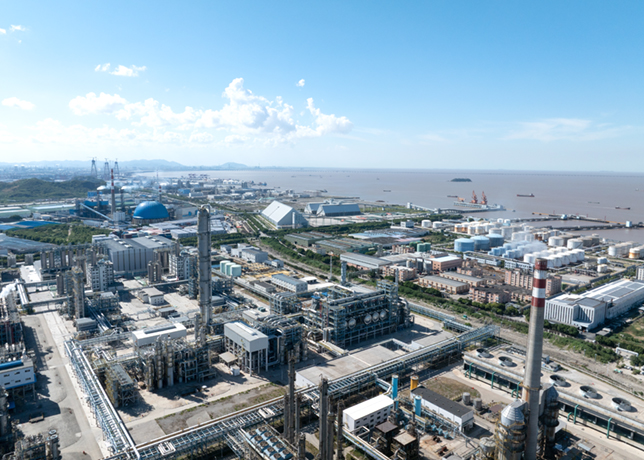
Dana Gas currently has assets and projects in gas exploration and production, processing, transportation and marketing in several countries, and aims to play a major role in the rapidly-growing natural gas business throughout the Middle East North Africa (Mena) region across the entire gas value chain.
In addition to its current projects, Dana Gas will be expanding its activities in all elements of the natural gas value-chain, including upstream exploration and production; through the midstream transmission and distribution of gas including LNG trading; and downstream into gas-related industries and petrochemicals.