























Valve Manufacturing may appear to be an easy task, but the manufacture of very reliable high-performance valves takes a lot more than having a proven design, quality management system and an established manufacturing plant, says Pibiviesse.
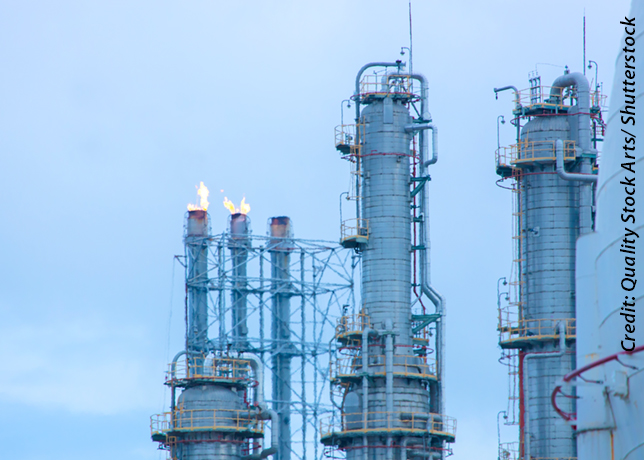
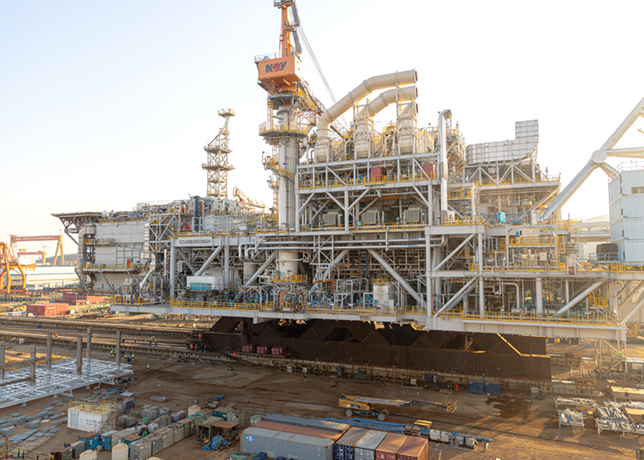
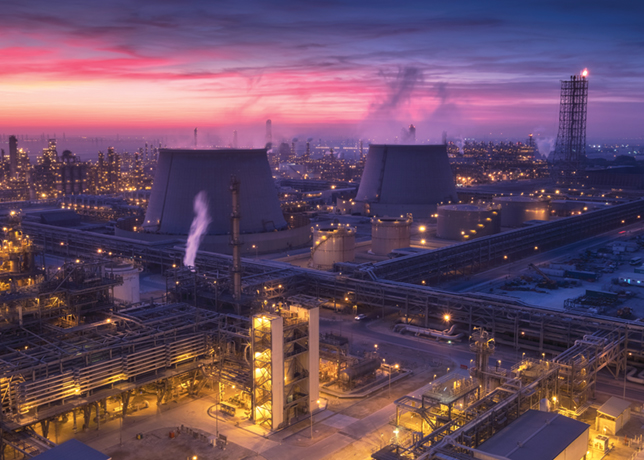
“The demands from the oil and gas market over the last decade has changed substantially,” explains a spokesman for the Italian manufacturer. “Nowadays operators are developing fields with higher contents of corrosive and erosive substances. In addition, new installations are required to produce more and consequently require valves with larger sizes, higher pressure ratings and a wider range of design temperatures.”
“Last, but not least, project completion times have shrunk in the race for quicker production runs and consequently manufacturers are requested to provide a number of services to support the project – in terms of scheduling, progress reporting and documentation – to efficiently fulfil these requirements. On such strategic projects, for instance, Pibiviesse assigns engineers to the client’s engineering offices to optimise valve selection and improve communication channels,” he says.
He continues: “All these requirements pose fresh challenges for valve manufacturers, who are required to deliver products that fully meet customer requirements, within the time-frame allowed by the project.
“In this scenario, valve manufacturers obviously require skills and are also requested to make use of the latest technologies, but very often this is not enough. To ensure that such products will perform well, at first it’s necessary to simulate actual working conditions and to test the products – to ensure that what was designed and engineered is actually performing as expected – to avoid failures when the valve will start operation.
“This requires continuous investment both in human resources and research and development to keep engineers up to speed with the latest technologies – in materials, coating, welding techniques, organisation, planning tools and predictive maintenance – and testing equipment to simulate actual working condition.
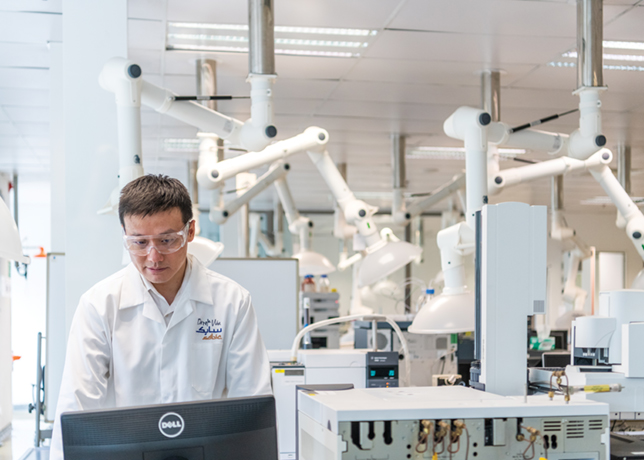
“Towards this end, Pibiviesse has developed a dedicated research and development (R&D) department since 1988 that takes up new challenges, in co-operation with the most prestigious customers and, in the last four years, also with the Politecnico University of Milan, ensuring that each new product and design is fully tested before it is released to the market.
“Also, since 1988 Pibiviesse has developed a network of authorised repair and servicing workshops around the world to assist customers in a prompt and efficient way. “This network not only provides efficient after-sales service, but also feeds Pibiviesse’s engineering department with valuable information from the field, providing information on how the products perform and what are the main areas that need improvement.”
Pibiviesse’s investment of nearly 20 years of R&D and after-sales service has paid off with the company achieving IEC 61508:2000 Part 1 to 7 – SIL 3 certification for all its production lines, he says.
Last year, Pibiviesse also introduced the concept of “lean manufacturing” to implement a continuous improvement programme, thus providing customers with better services from receipt of order to final delivery.
The experience gained via feedback from the field and R&D studies has been applied in various applications, the spokesman adds.