






























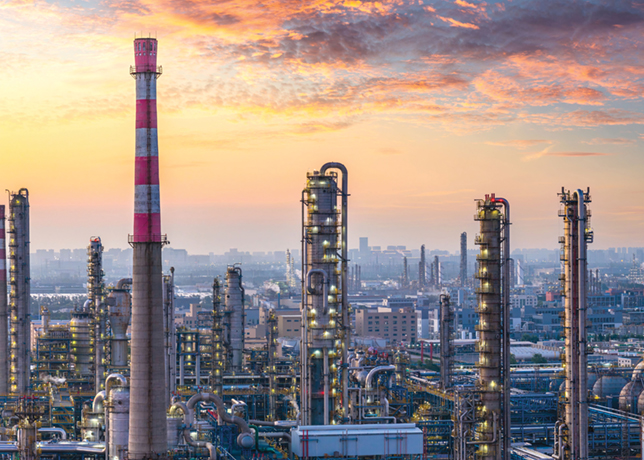

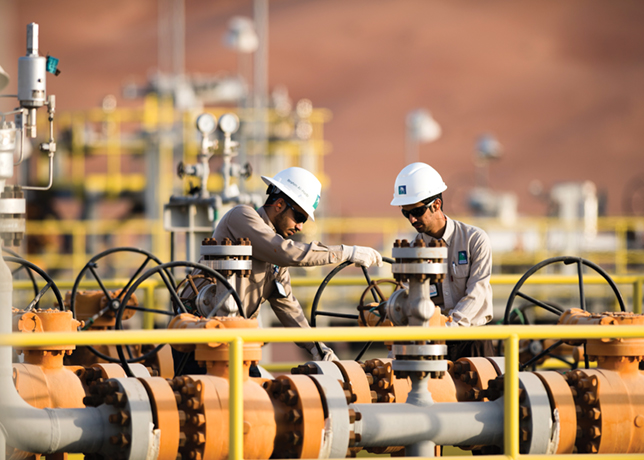
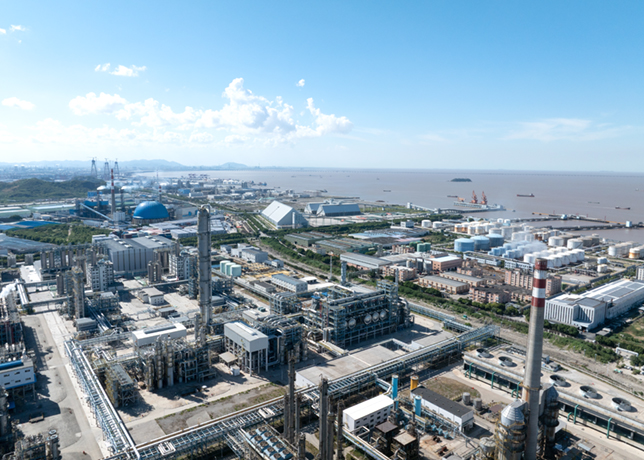





Sinopec, Asia’s top refiner, has decided to cut capital expenditure in 2008 by nearly one-third from its original plan to 130 billion yuan ($18.32 billion) because of mounting losses in its refining units, a business paper said.
Sinopec earned a mere 1 billion yuan of profit in January and will probably make a loss in the first half of the year due to soaring crude oil costs, the 21st Century Business Herald said, citing a company investment meeting.
China caps domestic prices for diesel and gasoline and has pledged not to raise them in the short term because of inflation fears, but with crude oil at well over $100 a barrel this policy means refiners are plunging into the red.
“January’s profit was only one-sixth or one-seventh the levels in the same period of 2006 or 2007, and that was the result of collaborative efforts by all departments,” an unnamed Sinopec official was quoted as saying at the meeting.
Sinopec’s refineries lost about 45 billion yuan in 2007, the paper added.
An executive said last week, however, that the company had still notched up a steady increase in profits, likely through earnings from other units including crude production, petrochemicals and engineering services.
But he added that it was now losing 2,000 yuan for every tonne of gasoline it produced and more on diesel.
Sinopec also faces extra pressure from increasing domestic competition, the end of a boom in the global petrochemical industry and a falling gross profit margin due to global capacity expansion, the newspaper quoted the Sinopec official as saying.
Most important, however is the government freeze on oil product prices, the official added.
China raised domestic fuel prices by about 10 per cent at the beginning of November when crude oil hovered around $90 a barrel but has not increased them since, even though the crude oil price this week hit a record above $110.
Meanwhile, Sinopec’s Changling refinery hopes to start work this year on an expansion that could double its capacity, but fears that industry losses caused by state controls on fuel prices could delay the investment, the plant’s head said.