






















SAUDI Aramco’s operations chief has urged the world’s leading geoscientists to hone existing technologies and help create new ones to maximise oil reservoir recovery and take exploration activities to a new level of performance and sophistication.
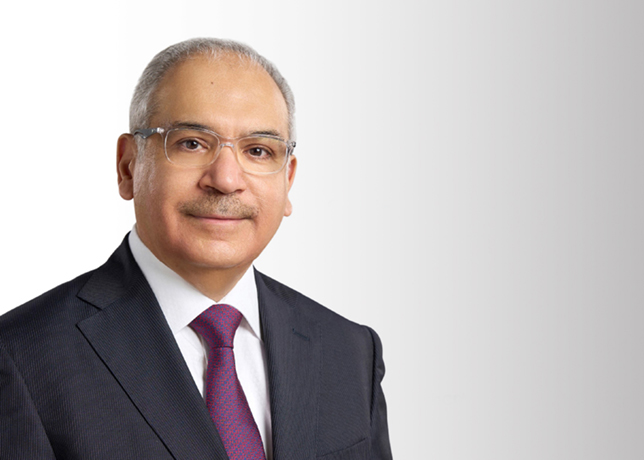
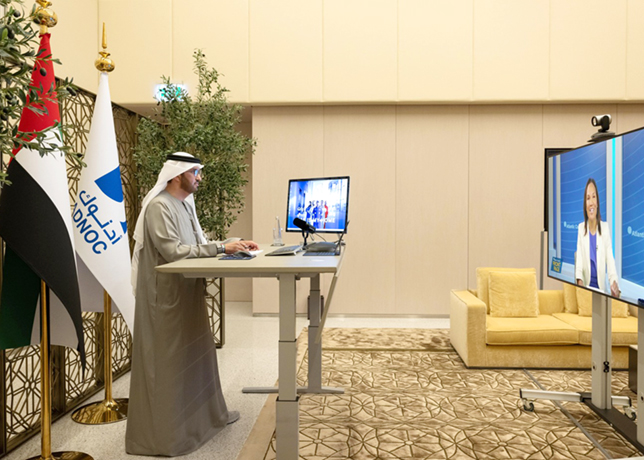
Khalid A Al-Falih, executive vice president of Operations, made the remarks recently at the opening session of the eighth Middle East Geosciences Conference and Exhibition held in Bahrain.
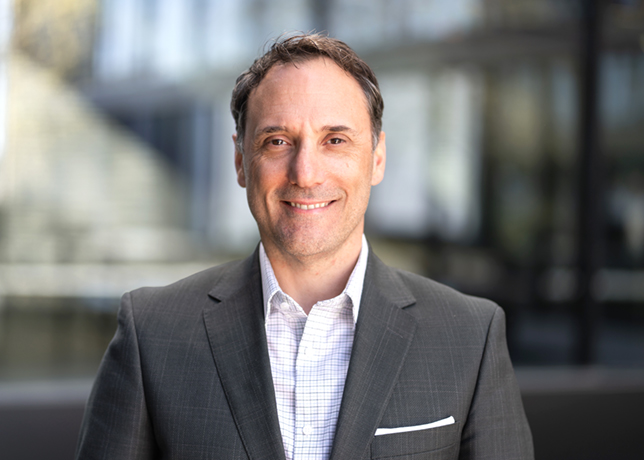
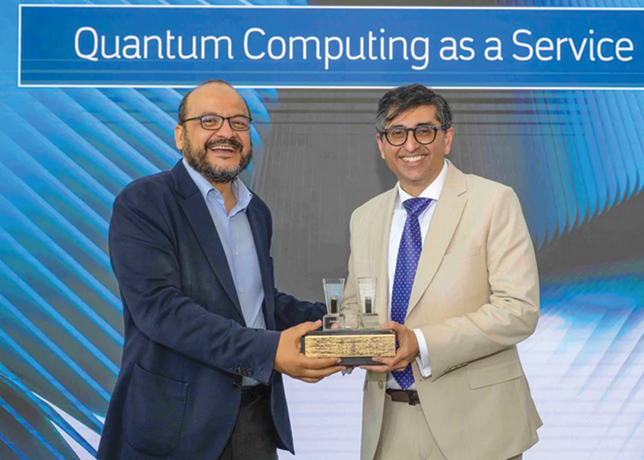
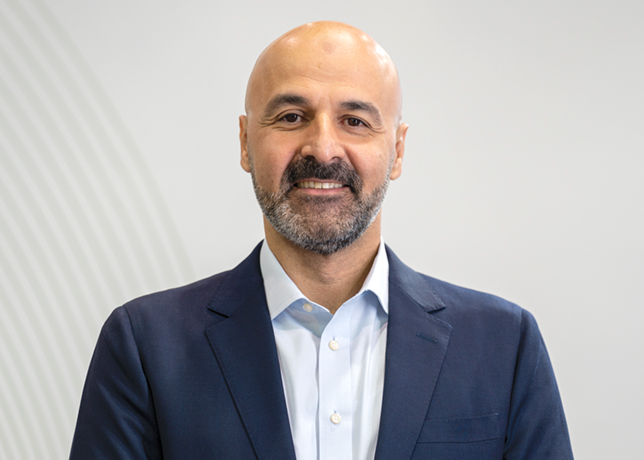
Saudi Aramco executive vice president of Operations, Khalid A. Al-Falih, calls for continued R&D in the field of geoscience.
For several years, new technologies for evaluating reservoir conditions have been employed and have provided upstreamers with large volumes of data. Only recently has the interpretation and integration of those data streams started to provide the detail and insight needed to push reservoir management to the next level.
“Today, high-end technologies such as satellite imaging, 3D visualisation rooms, I-Field development, remote control centres, real-time drilling data transmission, and megascale parallel computer systems are increasingly commonplace,” Al-Falih said.
“Looking ahead, even more sophisticated technology will be indispensable to the success of our companies, whether they are national oil enterprises, multinational majors, or specialised service companies and technology development firms.”
Al-Falih noted that roughly 60 per cent of the world’s proven reserves are in the Middle East and expressed optimism that there was more oil to be found. He said research and development would be key factors both in improving returns from existing reservoirs and new breakthroughs in exploration.
“New technology doesn’t just happen, nor does it emerge fully formed overnight,” he said. “Instead, the next generation of upstream technical tools and applications will stem from sustained R&D (research and development) programmes based on specific strategic objectives and technology targets. These R&D programmes will require us to commit a high level of human and financial resources over the next few decades.
“In my view, successful programmes will also need to be flexible enough to adapt to changing needs and new research paradigms, and to harness emerging technologies from beyond our own industry.”
Saudi Aramco, Al-Falih said, already is envisioning emerging challenges and opportunities and the futuristic technologies to address them.
“The future will see us tackling such resources as gas in tight sands and basin-centered gas,” he said. “Moreover, technology development to facilitate more effective discovery is also under way. These include low-frequency seismology for direct detection of hydrocarbons, seismic interferometry and passive seismic monitoring, as well as numerous nonseismic methods for assessing hydrocarbon potential.
“For improved recovery, we aim to move in the next few years from MRC (multiple reservoir contact) wells to next-generation extreme reservoir contact wells, which will feature 10, 20, perhaps even 50 laterals snaking through the pay zone. Other future technologies on our books include the use of nanorobots to enter reservoir rock pores and pore throats.”


