

























The National Government (NG) of Philippines is studying the possibility of buying back the 40 per cent stake of Aramco Overseas Co (Saudi Aramco) in Petron Corp, a top energy official says.
Energy secretary Angelo Reyes says that despite the decision of Aramco to sell its shares to Ashmore Group, a United Kingdom-based investment fund manager, the government, through the Philippine National Oil Co (PNOC), has yet to give its final say on the sale.
“We still have 60 days to decide if we will exercise our right of first refusal or assign it to another buyer,” Reyes says.
Reyes says in case the government decides to buy the Petron shares, the NG may tap the resources of other PNOC subsidiaries.
He says the NG is contemplating on using the proceeds from the Malampaya royalties in case it opts to buy back Aramco’s stake in Petron.
PNOC president Antonio Cailao, echoing Reyes’ position, says that “we did not waive yet our right. We still have 60 days. So, it means the Aramco-Ashmore deal, though signed, is still conditional.”
When PNOC sold its 40 per cent share to Aramco in 1994, it was agreed that should the Saudi Arabian oil firm decide to sell its shares, the state-run oil firm has the right to buy the shares, match the offer or assign it to another buyer.
One of the possible options that PNOC is looking at is to renationalise Petron.
Though it would run counter to government’s privatisation thrust, Reyes says they have to consider and study this option.
“There are people who do not agree to that (privatisation). Some believes that it would be best to have an effective control of the government shares in Petron as it dominates 38 per cent of the retail market, thus making it a price setter which is crucial in a continuing high oil price regime,” Reyes says.
But Reyes points out that these are all under study. “We are only studying all our options so we can assure the public that we have reviewed all these options. We can also assure them of transparency,” he says.
To further ensure protection of the government’s stake in Petron, he says they would also undertake a third party study.
Reyes says they are also considering the engagement of a financial advisor if necessary.
“We can hire financial advisor to study if we will have to invest and if we will invest, if we have funds to support such investments,” he says.
Privatisation and deregulation are part of the broad policy of economic liberalisation that the government has been pursuing for the last 20 years, with the aim of spurring investments and accelerating the country’s economic growth. In the downstream oil industry, the twin policies of privatisation and deregulation are also meant to achieve market-related pricing of petroleum products.
This promotes efficient consumption of a scarce resource and also frees government from the burden of administering oil prices, which are often subject to political pressures.
The earlier regulation of the downstream oil industry resulted in enormous subsidy costs for government and had to be discontinued.
Petron chairman Nicasio Alcantara says Saudi Aramco had committed to supply crude even if it sold its stake.
Almost all of Petron’s crude oil supply is sourced from Saudi Aramco through a long-term supply contract.
“We have had a strong and very positive relationship with Saudi Aramco over the past 14 years, and we look forward to continuing our relationship commercially under Saudi Aramco’s commitment to maintain crude oil supply,” Alcantara says.
“Having a fund in place of Saudi Aramco may not be positive for minority shareholders,” says Jose Vistan, an analyst at AB Capital Securities Inc. Twenty per cent of the firm is held by individual investors.
“With Saudi Aramco, oil supply was assured and Petron was benefiting from the technical expertise offered by Aramco,” he says, adding that Petron’s profits were expected to improve as its petrochemical business takes off commercially this year.
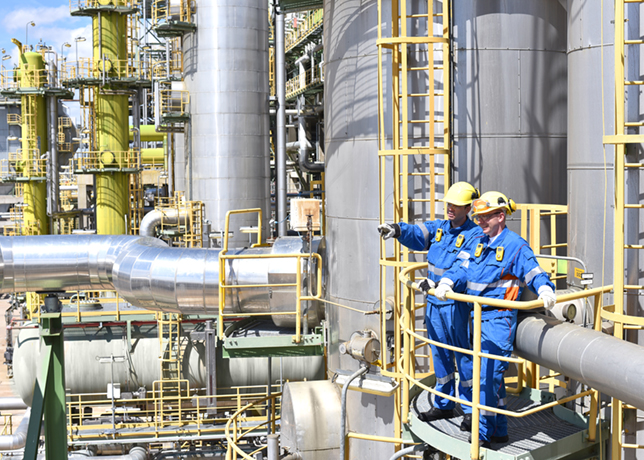
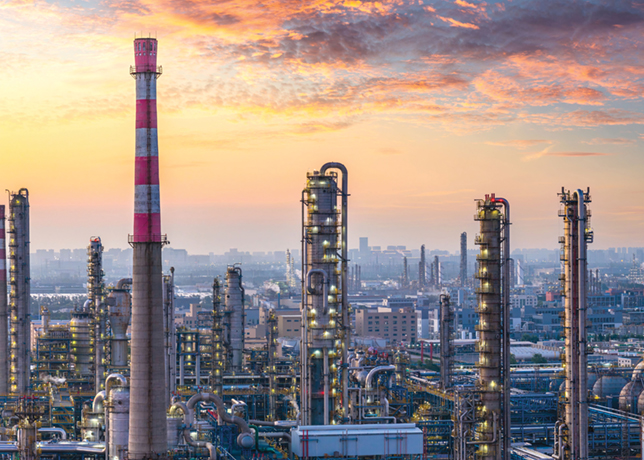
Alcantara says it remains “business as usual” at the company although they have already informed their 1,300 employees, of which 400 are working at the Bataan refinery, of the situation. Petron owns the 180,000 barrel-per-day oil refinery in Bataan.
Petron supplies nearly 40 per cent of the country’s total fuel requirements.


