

























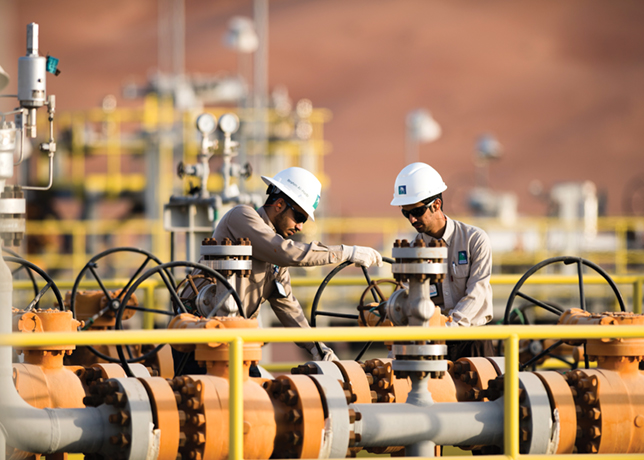
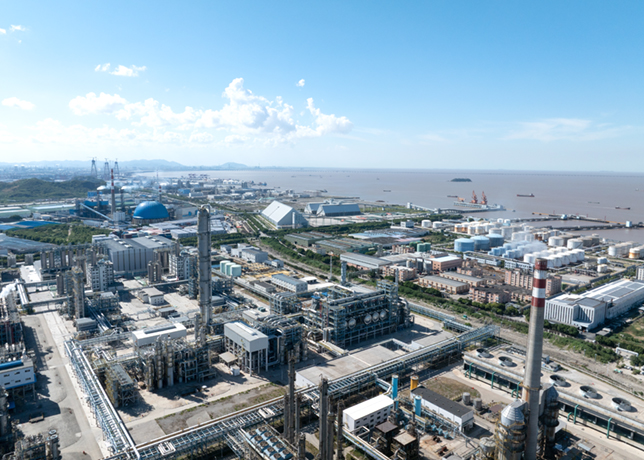


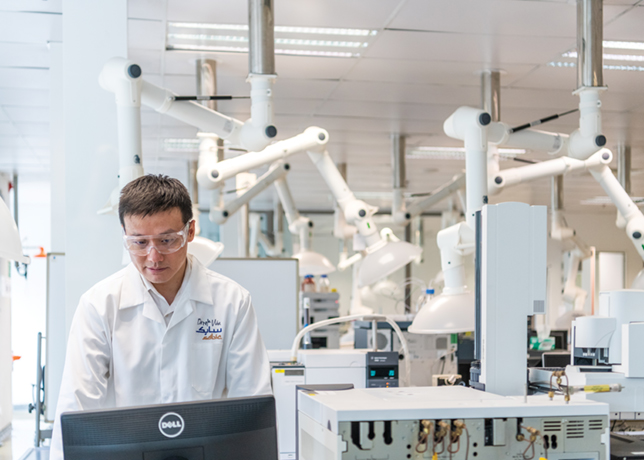

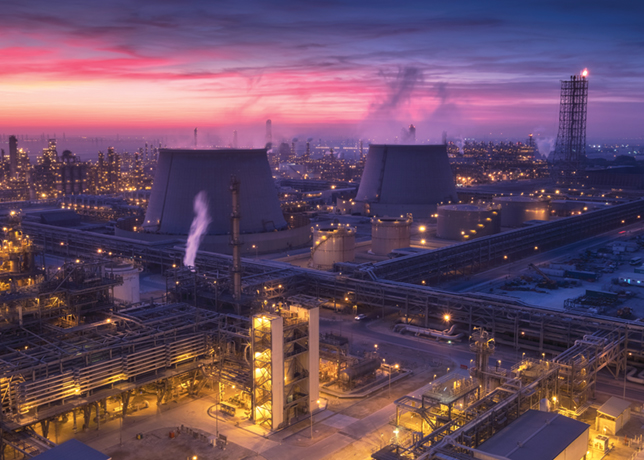

SAUDI Arabia will continue its long-standing policy of keeping excess production capacity on standby, developing new reserves, applying better technologies to increase efficiency, safeguarding the environment and working closely industry-wide to achieve common goals.
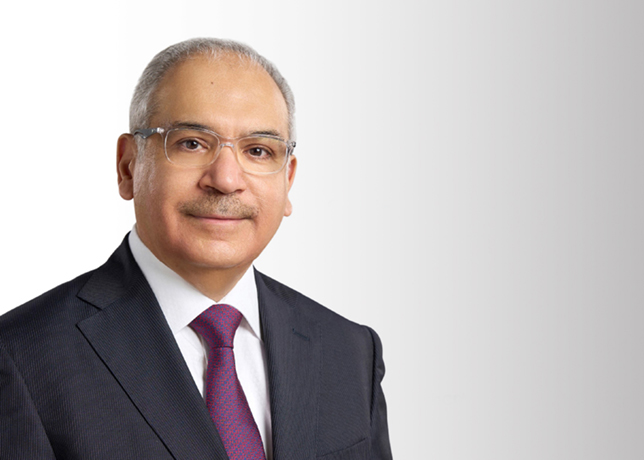
The energy policies of Saudi Arabia emanate from the kingdom’s global oil role in terms of reserves, production and exports. They emanate also from the role of the oil sector in the kingdom’s economy and rest on the underlying philosophy of its economic development, which has as its basis an open and free market, says Saudi Oil Minister Ali Al Naimi.
“Therefore, our energy policies whether in the domestic or the international arenas are guided by the long lifetime of our reserves, our continued role in world oil trade and our endeavour to diversify our economy,” he says.
“We have acted upon such pillars over the years. As the world’s premier producer and exporter of crude oil, Saudi Arabia does have a vested interest in the affairs of this industry, and is concerned that misinformation is only adding to the current anxieties.”
Saudi Arabia has long recognised its prominent role as a world oil supplier. This role has two important implications: one is to afford strength in and stability to the world oil market and the other is to provide an economic base for our own domestic growth. Both must operate in tandem.
“We have invested billions of dollars to build production capacity and to construct diverse export routes. The importance of the excess production capacity of Saudi Arabia has been demonstrated in more than one supply crisis in the past two decades such as the Iranian Revolution of 1978-1979, the Iran-Iraq war in 1980, the invasion of Kuwait in 1990 and the supply infrastructure crisis of 2000. Along with all these, Saudi Arabia has worked over the years to make the Middle East a region of peace and tranquility.
Furthermore, we have worked with Opec to ensure the stability and continuity of oil supply to the world. The statute of the Organisation states clearly that one of its objectives is ‘to secure an efficient, economic and regular supply to consuming countries’.”
“We have also spearheaded the efforts to transform the old antagonistic relationship between Opec and the IEA to more harmonious one. Today the two organisations meet and consult regularly on matters of common interests such as oil data transparency. We continue to nourish and advance the producer-consumer dialogue to new frontiers,” he says.
Saudi Arabia has launched an initiative to establish a secretariat for the Energy Forum. “We have worked with the producers and the consumers in the past two years to see to it that the initiative finds wide acceptance and commitments.
“Yet despite all our policy pronouncements and our actual record with regards to our relations with the consuming countries and our commitments to supply security, some still cast doubt on the dependability of our region as a source of reliable oil supplies to the world. To those we say that the region that has supplied the world with its energy needs for most of the last century is destined to continue this role into this century also. The resource endowment as well as the commitment of its producers to continued oil supplies to the world will ensure such a role. The drive of the world community to find a just and durable peace in the region will cement this future role,” he maintains.
Naimi continues: “This leads me to a third area of confusion related to our energy policy, that is the use of our oil revenues. Some political rhetoric following the tragic events of September 11 went so far as to cast doubt on Saudi Arabia’s efficient utilisation of its oil revenues. This came out of ignorance or outright hostility towards Saudi Arabia.
“While we do not take special pride of our economy’s reliance on oil and have endeavoured through successive development plans to reduce that reliance, we utilised the oil revenues to develop our economy and elevate the living standards of our people. We have spent around $1.3 trillion over the past three decades on economic and human resource development. We have extended economic aid to other developing countries of more than $75 billion which, if viewed relative to our GDP, is in excess of many industrialised countries.”
Thanks to the judicious use of its oil revenues and the free market approach of its economic policymaking, the Saudi economy today is the second largest in the Middle East and the twentieth worldwide. The openness of its economy and the soundness of its policies helped make Saudi Arabia the largest recipient of foreign investment in the area and the largest provider at the same time in the past few years.
The use of oil revenues in social and economic development and diversification has also contributed to increasing the share of the non-oil sector in our economy from one third in 1975 to two thirds of its GDP today. In real terms, while its economy was growing at 3.5 per cent annually in the past twenty five years, the non-oil sector was growing by more than 5 per cent annually.
“To me that says oil is still very important but not the sole source that seems to stick with some viewers. In the larger picture, Saudi Arabia fully recognises that its abundant resources of petroleum serve two constituents. They include the markets of the world eager for the efficiencies of hydrocarbon energy, and the people of Saudi Arabia who see it as a means to develop a healthy, diversified economy fit to compete in the global arena,” he says.
“We live in a truly interdependent world of integrated economies and open markets. Energy and especially oil are beneficiaries and drivers of this new world setting. No country in the world, be it a net energy importer or exporter, can achieve the objective of sustainable development independently. What should be kept in mind is that energy will remain the key driver of economic prosperity the world over. Oil and natural gas are among the prime movers, and those who both produce and consume them have obligations of careful stewardship,” he says.
Naimi asserts that Saudi Arabia is committed to maintaining a stable worldwide oil market, free of disruptive price swings yet responsive to changing conditions. “To that end we will continue our long-standing policy of keeping excess production capacity on standby, developing new reserves, applying better technologies to increase efficiency, safeguarding the environment and working closely industry-wide to achieve our common goals,” he adds.


