
























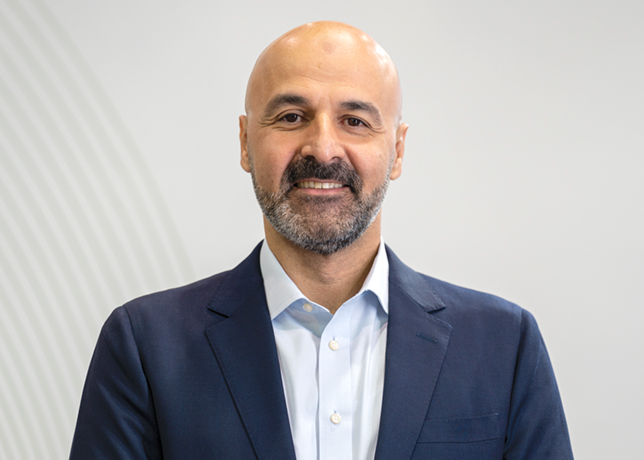



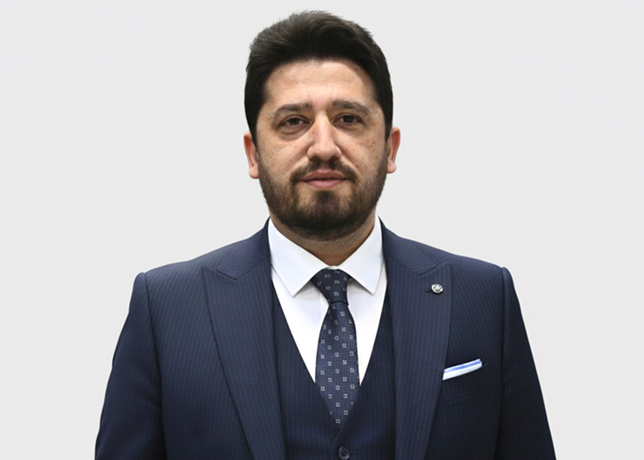








THE world cannot afford to leave massive quantities of oil, natural gas and coal in the ground in favour of unproven alternatives if it hopes to satisfy future growth in global energy demand, Abdallah Jumah, chief executive of Saudi Aramco, says.
Jumah believes a much greater share of the resources known to exist can be recovered in an environmentally responsible manner if industry is allowed to apply the technologies that it has developed.
“If, on the other hand, conventional and non-conventional oil resources fall victim to well intentioned, but ultimately flawed or confusing energy policies, then the necessary investment of time, toil and treasure may not materialise, and a significant proportion of these precious resources might not be recovered,” he says.
Jumah says a number of issues must be addressed in a collaborative manner – by engaging producing and consuming nations, industrialised and developing economies – if the appropriate policies are to be formulated.
He cites concerns over supply interruptions and stretched refining capacity, world and regional geopolitical events, the role of financial speculation in oil price volatility and currency fluctuations among the issues both producers and consumers face.
Jumah calls for a four-step energy-development programme to address these issues. First, he says, the world community should continue to develop fossil energy resources while making their utilisation cleaner and more efficient.
Next, Jumah recommends a consensus on strategies that devote sufficient attention to the rational development of alternative sources of energy so that the level of their contributions can be increased at a realistic pace.
“With time, we will need to draw upon a variety of energy sources, including alternatives, to help meet demand,” he says. “However, around the world, there are also some expectations for an unrealistically rapid pace for the development of such resources.”
The consumer side will have to do its share as well by enhancing the efficiency of energy use and conservation to the greatest extent possible. The final point is carbon sequestration, which must include a range of natural and technological solutions based on economics and practicality.
“I strongly believe that there is a vast unrealised potential when it comes to applying futuristic technological solutions to carbon sequestration, and the world may have just scratched the surface on this issue,” he says.
The Aramco chief notes that Saudi Arabia is working diligently to make its resource recovery more efficient, with a goal of recovering up to 70 per cent of the oil in place in the kingdom’s vast fields. Saudi Aramco is proceeding with its five-year, $90-billion capital-spending plan despite the many uncertainties plaguing the world.
“I am deeply concerned that if the prevailing confusion involving energy issues continues, and key players scatter in different directions in trying to address those issues based on varying agendas, there is considerable risk that the necessary expansion of energy supplies would be significantly compromised,” Jumah states.
If Saudi Aramco as a company and the petroleum industry as a whole are to invest in and develop the right technologies at the appropriate time to provide reliable supplies of energy to the world, they will need the appropriate enabling legislation and geopolitical environment, he continues.
That will require the world to come to greater agreement as to what it wants and expects to achieve realistically and greater consensus about the roles and responsibilities of producers and consumers, he says.
Jumah says, “When we look at the global energy situation today, we find a convergence of a wide range of complex challenges. These include misperceptions about future adequacy of supply, underinvestment in oil infrastructure, a mismatch between refinery configurations and the types of crude in the market, increased demand for natural gas, the need for a well-trained and innovative workforce, and stewardship of the natural environment. Perhaps never before has the petroleum industry faced such immense challenges – or been presented with so many promising opportunities. At Saudi Aramco, we are taking the initiative to address these challenges and assure a steady, reliable supply of the petroleum energy the world needs now – and in the future.”
Worldwide energy demand continues to expand dramatically. According to the International Energy Agency (IEA), global energy demand is projected to increase by more than 50 percent by 2030, with half of the increase accounted for by electric power generation and one-fifth by transportation, the latter almost entirely in the form of oil-based fuels. Oil will remain the largest single source of fuel, with demand projected to rise from the 2005 rate of 84 million barrels per day (bpd) to 116 million bpd in 2030.
While the issue of oil supply is important today, it will become even more critical in the coming years. “We believe petroleum will be plentiful for many decades. Although we currently manage crude oil reserves of approximately 260 billion barrels, we continue to expand our reserve base. At current production levels, we have many decades’ worth of oil to produce.”
When disruptions have occurred to various producers in recent years, Saudi Arabia, as it has for decades, ramped up production to reassure energy markets and provide consumers with a steady, reliable supply of petroleum.
“As an enterprise, we are committed to playing our part in meeting future demand growth and we’re backing that commitment by embarking on the largest capital programme in our history.
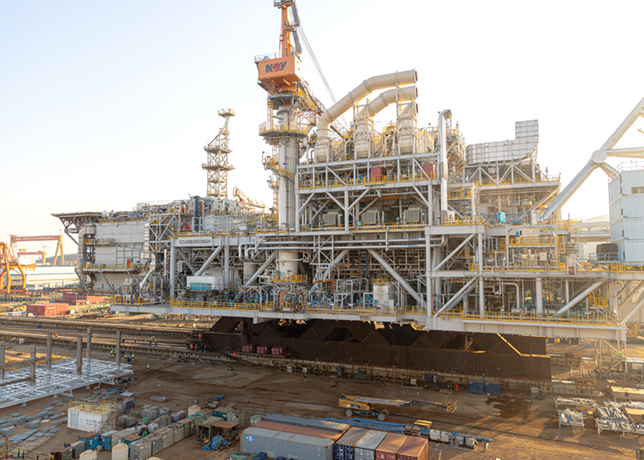
“We currently have half a dozen major crude oil increments at various stages of development, with a total production capacity of some 3 million bpd. Some of that capacity will offset natural decline, while the remainder will expand our maximum sustained production capability, which by the end of 2009 will reach 12 million bpd. We have also developed scenarios to increase that level, should market conditions warrant expansion.
“Our slate of mega-projects also will enable us to maintain spare production capacity of 1.5 to 2 million bpd above forecast production, in keeping with the kingdom’s commitment to keep world markets stable. While a number of renewable and alternative energy sources have long-term promise, they face considerable technical, environmental and commercial hurdles. Their development should be pursued wisely and on the basis of commercial viability and technical feasibility. Because fossil fuels will continue to meet the lion’s share of the world’s energy needs for many decades to come, improving their efficiency and lightening their environmental footprint are among the most important steps that can be taken to preserve the natural world for future generations,” he notes.


