





















SAUDI Pultrusion Industry (SPI) – a manufacturer of high-technology fibre reinforced plastics (FRP) products for industrial and recreational use – claims the distinction of having set up the first pultrusion plant in the Middle East.
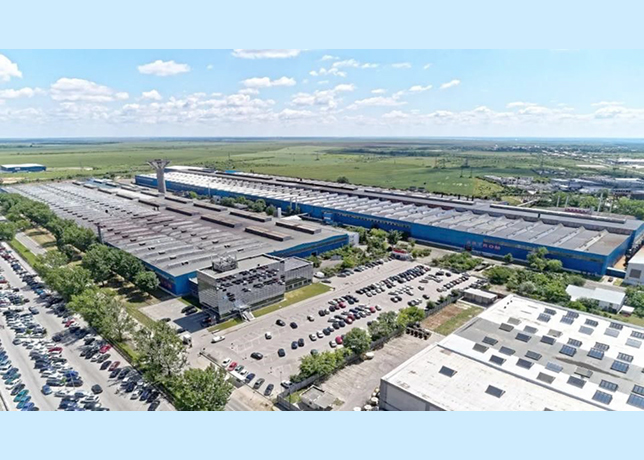
The plant, which went on stream in 2006 with a production capacity of 700 tonnes per year, is located in the eastern province of Saudi Arabia and uses the continuous, semi-automated pultrusion process for manufacturing composite materials.
The company’s product portfolio includes pultruded profiles, pultruded grating, moulded fibreglass grating, fibreglass, cable ladders systems, ladders and safety gage, handrail, platforms and cooling towers profiles.
Part of the Abdullatif M Al Arfaj and Brothers Holding Company, SPI manufactures FRP under a technical licence of Pacific Composites, a pioneer in pultrusion in Australia which traces its origin back to 1960s and a member of Exel Composites, the largest pultruder company in the world.
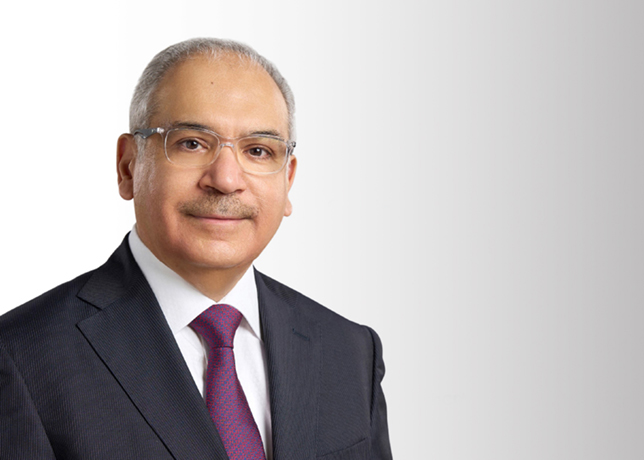
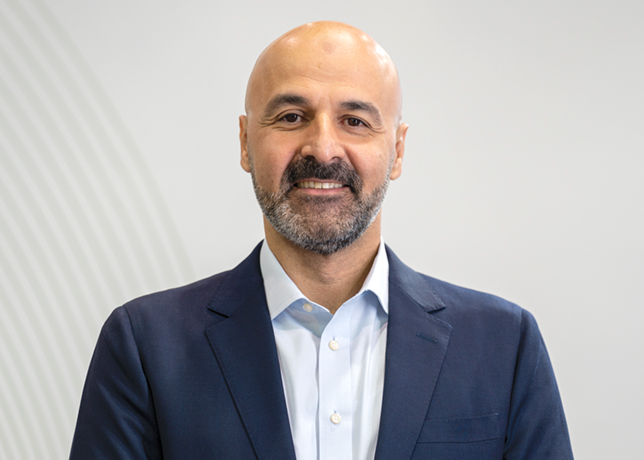
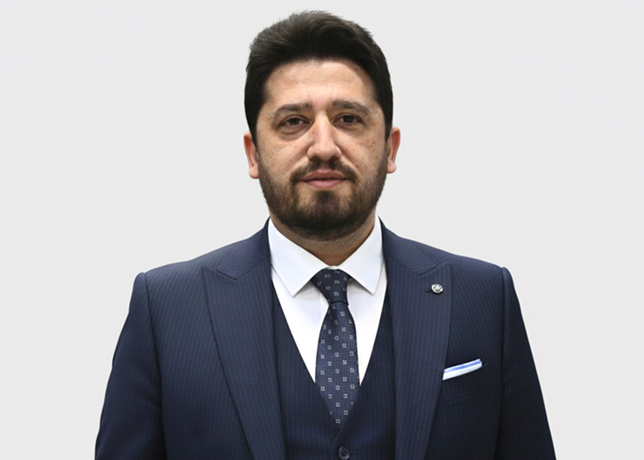
“FRP materials are increasingly being recognised as the materials of the future, offering exciting new opportunities and a combination of benefits not available with traditional materials such as metal and timber,” says chairman Abdullatif Al Arfaj.
“FRP structural materials provide solutions to many of the limitations in other metals, offering benefits such as high strength-to-weight ratios, maintenance free, easy handling and installation and significant safety,” he adds.
Through the proper selection of resin and reinforcement, pultruded products offer the designer a combination of performance properties, which include:
Lasting performance;
Exceptional chemical and corrosion resistance to acid, salt, alkali and electrochemical environment;
• Light weight with high strength;
• Die-electric properties;
• Heat resistance;
• Dimensional stability;
• Excellent cost performance with low installation cost, long service life and minimal maintenance; and
• Excellent creep and fatigue performance.
SPI focuses on continuously keeping abreast of latest developments to ensure its business growth in Saudi Arabia and the Middle East regions. The response to its products has been such that the company is already looking at plans for expansion.
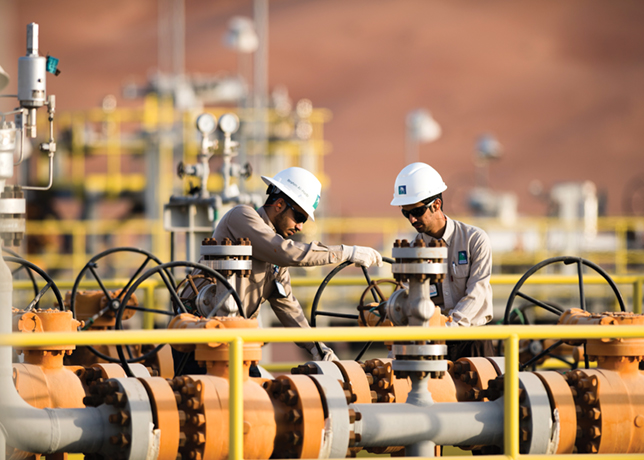
“Our products have received the approval of Saudi Aramco and the Royal Commission of Jubail and Yanbu for use in factories in its industrial areas as well as by the Saline Water Conversion Corporation (SWCC), Saudi Aramco, Sabic and most of the cooling towers manufacturers,” he says.
Some of the projects delivered by SPI are:
• Infra structure project Jubail 2;
• Saudi Aramco Rastanura port;
• Samref project Yanbu;
• King Abdulaziz International Airport;
• Jeddah – cooling towers;
• Tasnee Project – Jubail;
• Jana-Jubail chemical industries; and
• SWCC – Jubail.
Amongst its major export projects are:
• HIDD Desalination Plant – Bahrain;
• Babco – Bahrain;
• Saar Sewage Plant – Bahrain;
• Palm Jumeirah project – UAE;
• Cable trays – Qatar; and
• Different Profiles – Iran.
Pultrusion process
Pultrusion is a continuous, semi-automated process for manufacturing composite materials where continuous fibres or fabrics made of glass or carbon fibres are impregnated with a resin in the impregnation bath. The material is then drawn through a heated die, by a pulling system located near the end of the pultruder. The composite is then cut into lengths with a cut-off saw.
High pressure and temperatures densify the composite, further impregnating the fibres and eliminating voids. This process offers a higher glass-to-resin ratio (approximately 65 per cent glass to 35 per cent resin by weight), which translates directly into its superior strength characteristics.
Fibreglass pultrusion can be used to produce practically any constant cross-sectional profile as well as seamless round rods. As pultrusion is a continuous process, the product can be manufactured to any length and the limit is only dictated by the ability to transport it.
The pultrusion process is a continual process like extrusion which makes plastic pipes or aluminium window frames, the difference being that extrusion pushes the material through a hardened steel die while pultrusion, as its name implies, pulls the continuous fibre reinforcement in roving or mat/roving form through a resin bath where each fibre is coated with a specially formulated resin matrix.
The fully ‘wet-out’ fibres are then drawn into a heated steel die. The thermoset resin cure is initiated by the heat from the die that acts on the catalyst in the resin formulation, with the rate of the chemical reaction being controlled by heating and cooling zones along the length of the die. The high-strength pultrusion profile thus produced is ready to use, as it exits the pultrusion machine.
Pultruded composites are ideal for infrastructure applications, as the composites are produced with a constant cross-section. “This makes them directly comparable with metal products, as composite channels and I-beams, as well as other standard sections. Structures made from composites can be light, strong and have no corrosion problems.”
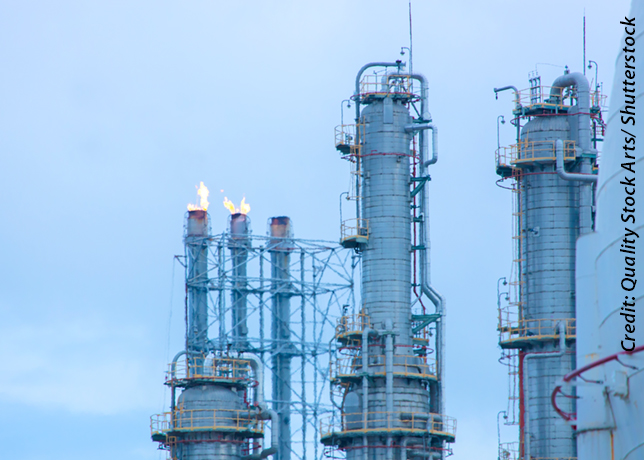
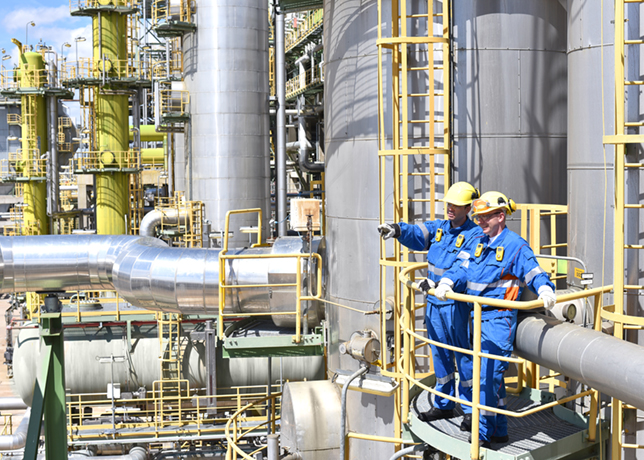
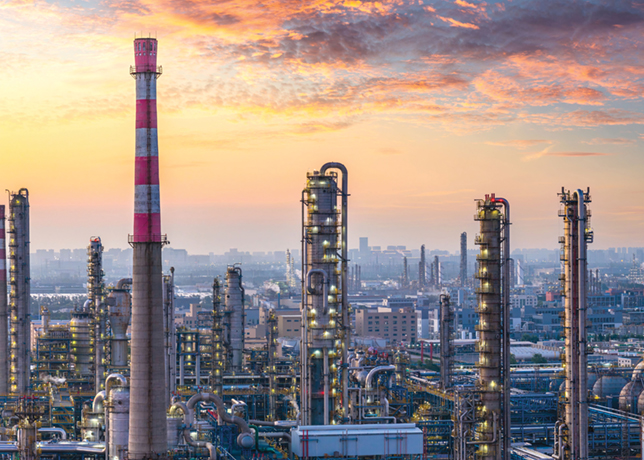
These products can be used in most of applications including water and sewage treatment areas, cooling towers, oil and gas industries, refineries and petrochemical plants and dairy and food processing industries.
The pultruded profiles have several advantages as a replacement for extruded aluminum, vinyl, wood or steel.
Properties
According to Mohammed Hamdan, general manager, SPI, pultruded products are an ideal replacement material for metals in applications where maintenance of metal would prove expensive and in critical areas where access is limited.
Comparing FRP products to aluminium and steel, he says: “Pultruded products offer superior insulation qualities, being 600 to 800 times more thermally insulative; they are dimensionally stable with one/third the expansion and contraction; are stronger with 50 per cent more tensile strength; and lighter, weighing 20 to 30 per cent less.
“Compared to steel, pultruded products are corrosion resistant, as pultrusions do not oxidise or corrode; are much lighter, weighing 75 per cent less; have better insulation qualities, being 150 to 200 times more thermally insulative; and are stronger, with up to 30 per cent more tensile strength than mild steel.”
The Al Arfaj Group was established in 1980 in Al Khobar. Since then the company has diversified its business to include: Saudi Aircon, Saudi Pultrusion, Saudi Technic, Specialised Welding Services, Power Generation, Battery Doctors, MTData Middle East (joint venture with MTData Australia for vehicle tracking system) and Ecowash Mobile Middle East (joint venture with Ecowash International).


