











HEALTH, safety and environment are increasingly becoming an integral part of any business, especially in the GCC. From a small scale industry to a large scale industry, now it has become almost an unavoidable part. These are driven by major industries like oil and gas and construction, national / international legal and regulatory frame works.
Occupational health and safety is a cross-disciplinary area concerned with protecting the safety, health and welfare of people engaged in work or employment.
The goal of all occupational health and safety programmes is to foster a safe work environment. As a secondary effect, it may also protect co-workers, family members, employers, customers, suppliers, nearby communities, and other members of the public who are impacted by the workplace environment.
Environmental protection is a practice of protecting the environment, at an individual, organisational or governmental level, for the benefit of the natural environment and (or) humans. Due to the pressures of population and our technology the biophysical environment is being degraded, sometimes permanently.
This has been recognised and governments have begun to restraint such activities that are causing environmental degradation.
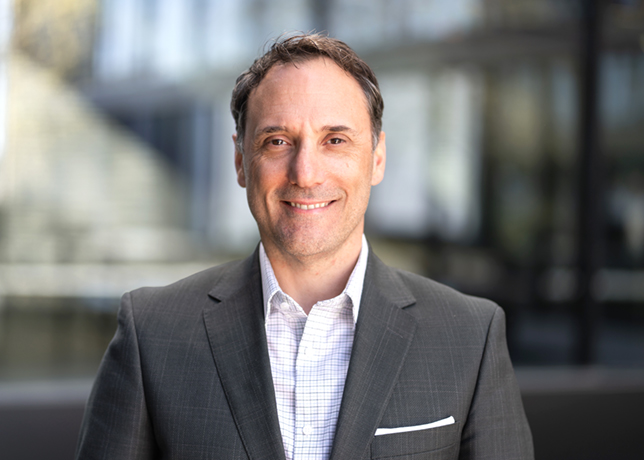
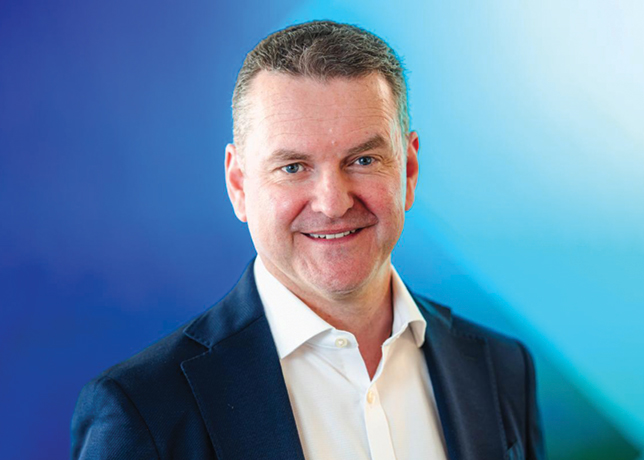
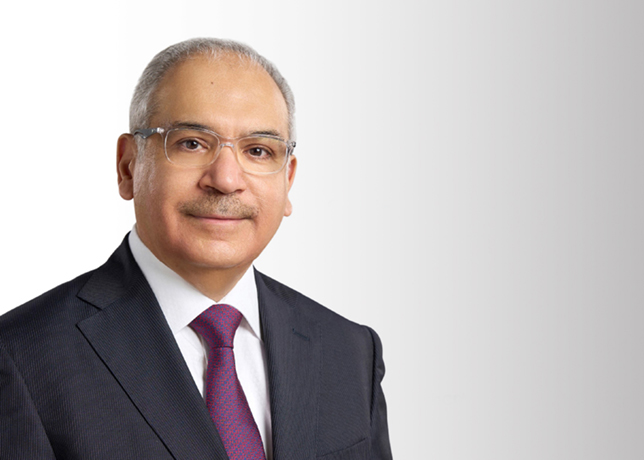
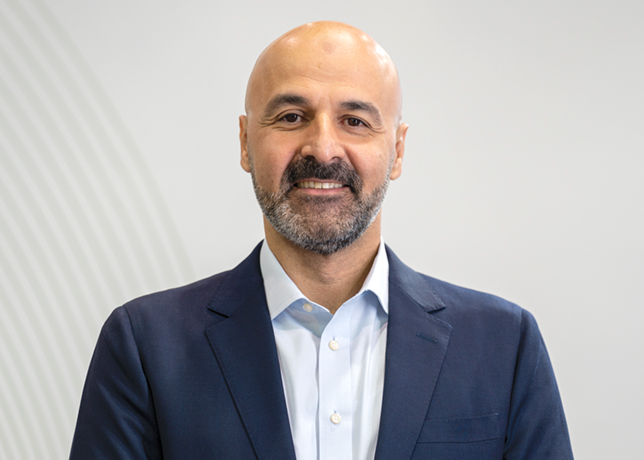
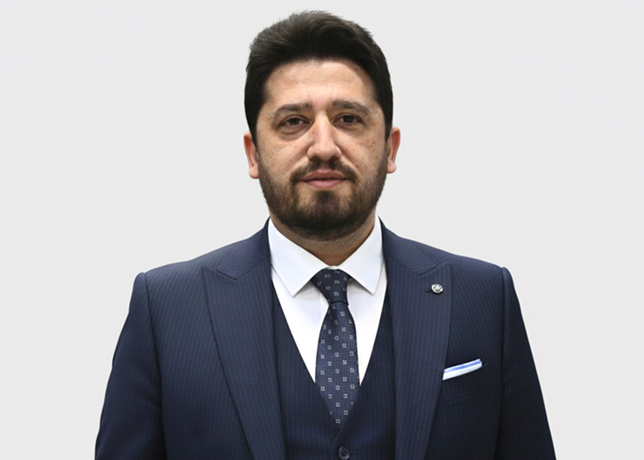
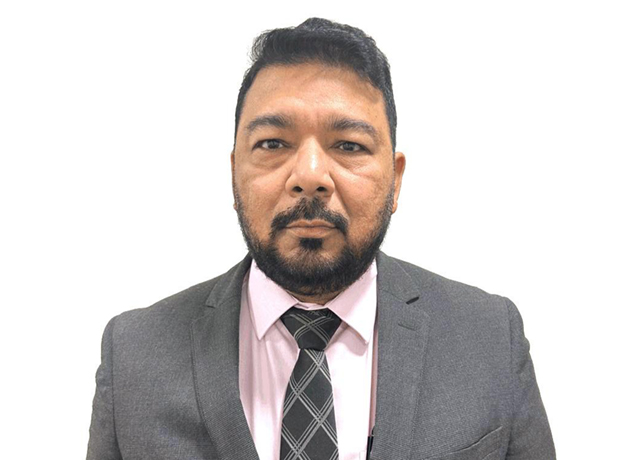
Health, safety and environment can be implemented in an organisation only through a systematic approach as it needs a cultural / work style change, says TÜV Middle East vice president Markus Lechtermann.
TÜV Middle East, member of TÜV Nord is one of the leading organisations in the region to provide services related to health, safety and environment. TÜV Middle East is a member of TÜV Nord Group, which has more than 136 years of experience (since 1869) in the field of inspection, consultancy, certification and training. Presently TÜV Nord Group has more than 120 offices and more than 8,000 employees’ worldwide.
TÜV Middle East is present in the Middle East since 1982. It has offices in Abu Dhabi, Dubai, Bahrain, Qatar, Kuwait and Syria.
The services offered by TÜV ME in health, safety and environment include but not limited to:
• Risk assessment (quantitative and qualitative);
• HAZOP studies;
• Environmental impact assessment;
• EHSMS consultancy;
• CDM validation/verification;
• Carbon foot print audit/certification;
• Estidama/Leed consultancy;
• Waste management; and
• Energy efficiency audit/consultancy.
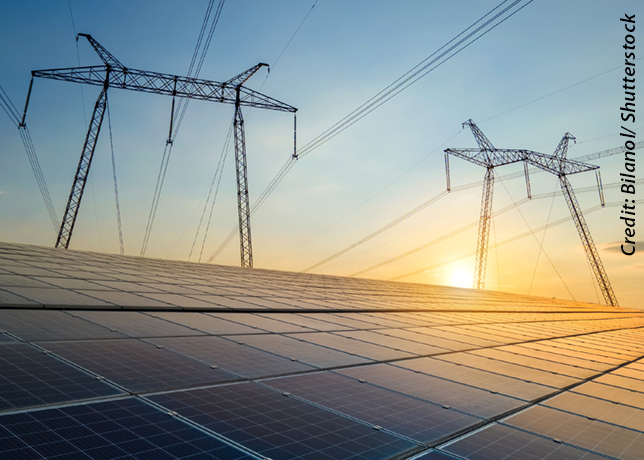
Water and power generation is one of the main sector in which TÜV ME is very active in HSE. During the last two years TÜV ME has done various HSE projects in this sector. The projects include EHSMS development as per the EAD requirements, environmental impact assessment, risk assessment and others.
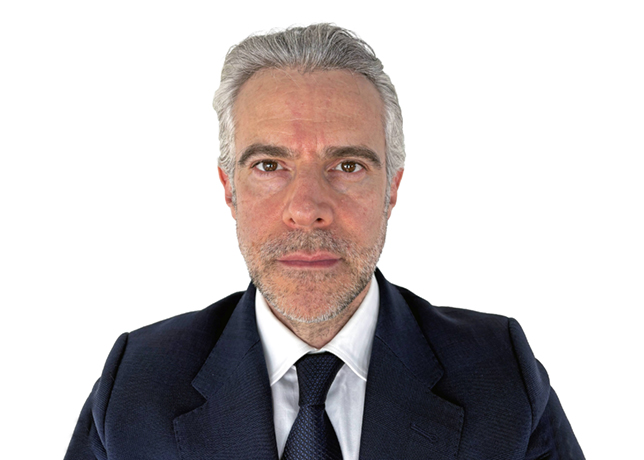
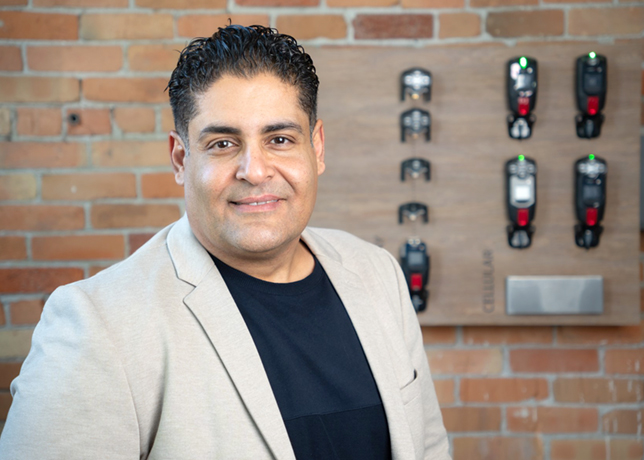
All the projects were quite successful and were well appreciated by clients and the legal/regulatory bodies, says Shibu Davies TÜV Middle East general manager certification, HSE and training/education.
The EHSMS projects for the power plants had the following stages:
• Gap analysis;
• Total risk assessment (including health and safety/eEnvironmental);
• Documentation;
• Training;
• Implementation; and
• Pre assessment.
As these were the first power plants which were going for the EHSMS, TÜV ME faced many challenges in these projects. Few of the challenges faced were:
• Lack of baseline data;
• Clarity on legal/regulatory requirements;
• Benchmarks; and
• Resistance to Change.
The key areas for power plants on the EHSMS are sea water intake and release, efficiency of the gas/diesel turbines, storage of gas/diesel, waste management, stack release to air, emergency preparedness and response.


