


















SAUDI Basic Industries Corp (Sabic), the Middle East’s largest listed company, will continue to boost capacities in coming years after output and sales rose in 2010, and the petrochemical giant continues to evaluate possible investment opportunities including in Latin America, its top executive says.
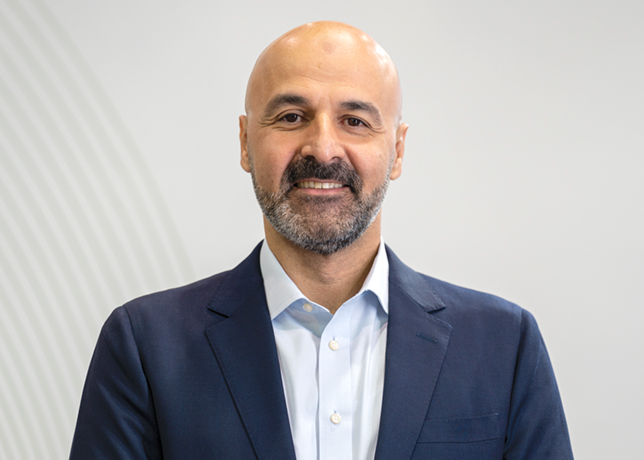
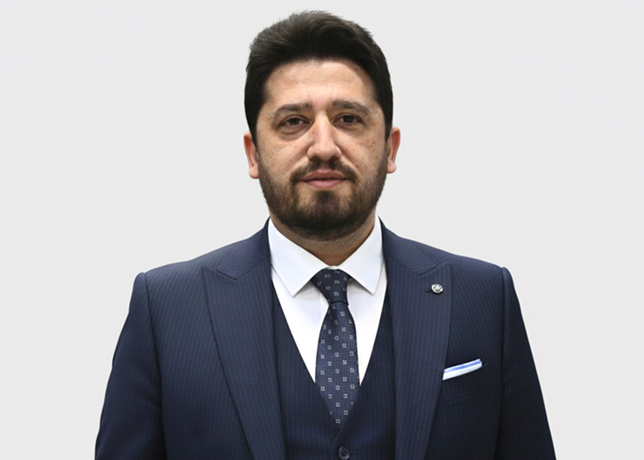
Sabic chief executive officer Mohamed Al Mady says: “Our production is going up...this is going to continue in the future, we are just in the beginning.” “We just came out from the financial crisis, 2010 was the beginning of the growth and we will see growth continuing in 2011 and 2012.
Sabic says fourth-quarter net profit rose 27 per cent to 5.81 billion Saudi riyals ($1.55 billion) from 4.58 billion riyals a year ago on higher sales and production. The result fell short of analyst expectations at Cairo-based EFG-Hermes, which had expected Sabic to post a fourth-quarter net profit of 6.14 billion riyals.
Al Mady declines to give a forecast for this year’s earnings. “I cannot give figures but we expect more plants to become fully operational this year, like Saudi Kayan Petrochemicals Co’s complex, which will lead to higher output, sales and results,” he says.
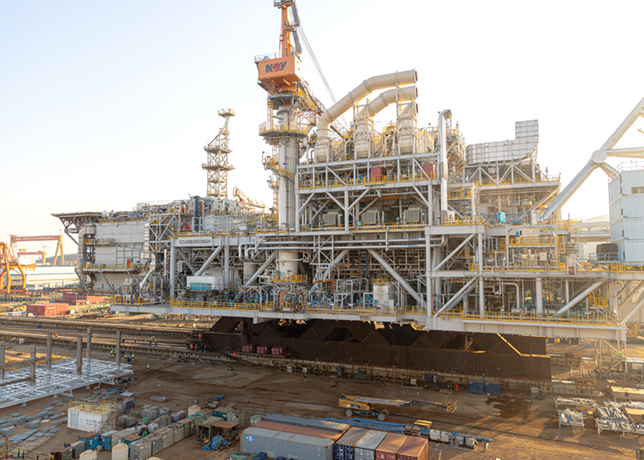
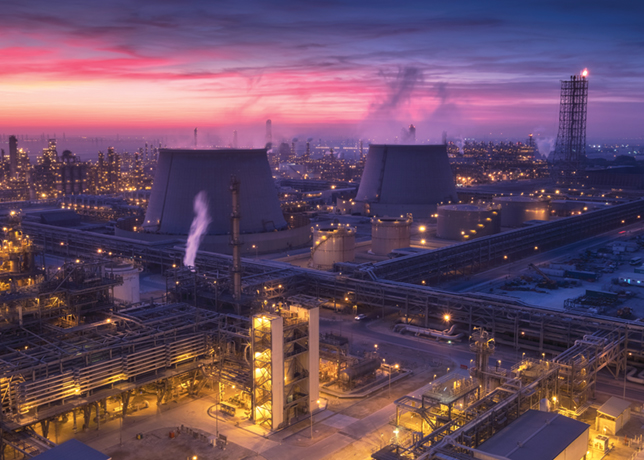
Kayan’s complex in Jubail, eastern Saudi Arabia, which is expected to have a total annual production capacity of around 5.6 million tonnes of petrochemical and chemical products, will start commercial output in the second half of this year, while its polycarbonate unit will start trial runs next month.
Sabic’s 2011 results won’t be hit by India’s anti-dumping fees on chemicals such as polypropylene amid buoyant demand from other countries, Al Mady says, adding that he hoped the issue would be solved through negotiations between both the Indian and Saudi governments.
The chemical maker, which competes globally with the likes of Dow Chemical Co and BASF, says sales for the full year hit a record 150 billion riyals and for the fourth-quarter 41 billion riyals. Sabic’s biggest growth markets are China and eastern Asia, which weren’t severely affected by the global economic slowdown.
Gulf-based petrochemical makers including Sabic are benefiting from improved global economic conditions, which in turn have boosted demand for petrochemical products and plastics, used in consumer goods and industries such as automobiles and packaging.
Sabic is also benefiting from the low cost of feedstock such as natural gas-widely used in the production of chemicals in the region-at home, giving the company a competitive edge over many producers elsewhere that use naphtha, a crude derivative whose price has gone up in line with oil prices.
Al Mady says that he was not aware that the Saudi government could increase the pricing of local feedstock in the near future.
The firm continues to evaluate possible investment opportunities that fit its strategy, including in Latin America, Al Mady says. Sabic in 2007 paid $11.6 billion for General Electric’s plastics division in the US, now known as Sabic Innovative Plastics.
Sabic says it expects higher sales and profitability this year and throughout 2012 as petrochemical prices return to pre-crisis levels and further output capacity is added.
“We expect petrochemicals prices to go up and return to their normal levels before the crisis,” Al Mady says.
Sabic usually does better in terms of profitability than rivals because it pays a government subsidised 75 cents per million British thermal unit for gas feedstock, a fraction of the cost on international markets.


