













ARAMCO, the world’s largest crude exporter, will start trading refined oil products this year through a new unit that seeks to take advantage of the company’s expanding refinery business.
The wholly owned unit, Saudi Aramco Product Trading Co, will buy and sell refined fuels internationally, Aramco says.
Trading companies try to profit from short-term fluctuations in prices and mismatches in supply and demand, a business new to Aramco, which mainly exports crude and relies on long-term tenders.
“They have made significant investments in downstream capacity over the last five years, and this is a natural extension to maximise that value,” says Stephen Schork, president of the Schork Group in Villanova, Pennsylvania.
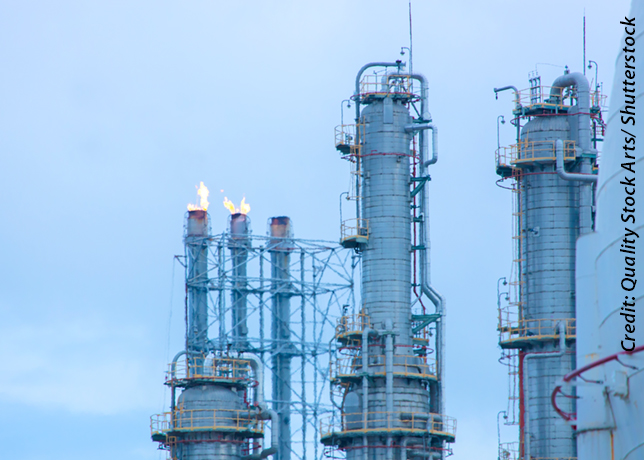
Saudi Arabia holds the world’s largest oil reserves and is the biggest producer in the Organization of Petroleum Exporting Countries. The kingdom imports gasoline, diesel and other refined products because it lacks the capacity to meet rising domestic demand, which Aramco hopes to satisfy by building refineries and adding units at existing plants to raise output.
Aramco completed a capital spending programme of more than $100 billion in 2009, Oil Minister Ali Al Naimi says.
While much of the money went toward expanding oil-production capacity, Aramco is shifting focus to boost its refining and petrochemicals output, chief executive officer Khalid Al Falih says.
The company is investing about $40 billion in three refining and petrochemical projects that together will add more than 8 million metric tonnes of domestic production capacity, Al Falih says.
The outlays include about $20 billion on a plant Aramco is building jointly with Dow Chemical and as much as $8 billion to expand Rabigh Refining and Petrochemicals, a venture with Sumitomo Chemical, Al Falih says.
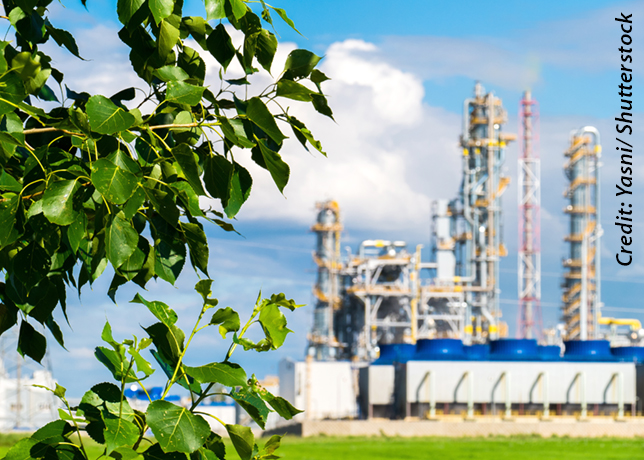
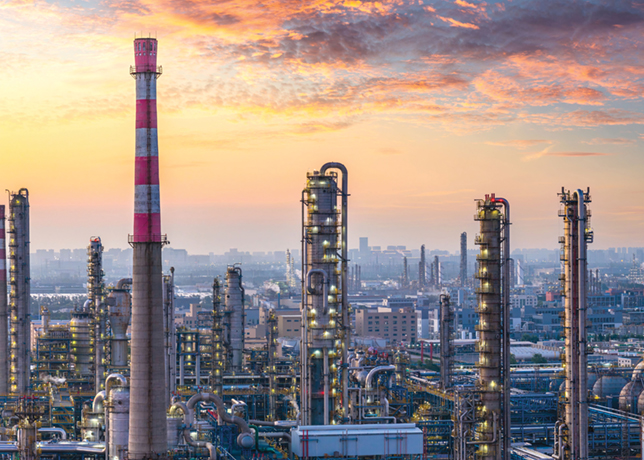
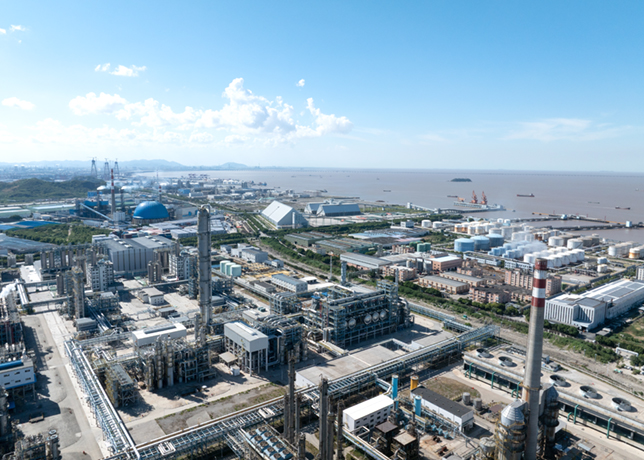
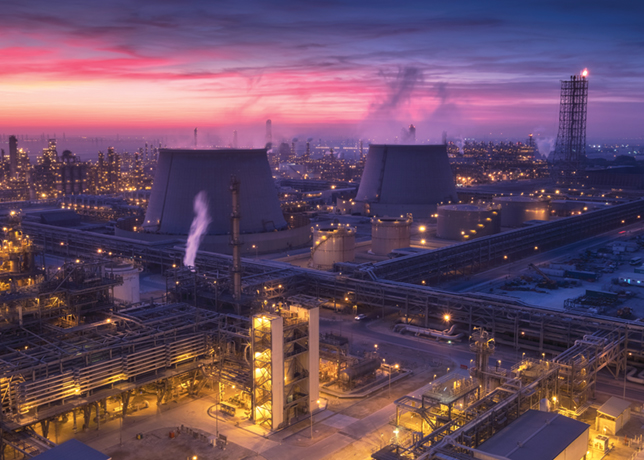
Aramco and Total are moving ahead with a $12 billion refinery at Jubail on the Arabian Gulf coast. Aramco is building other refineries at Yanbu on the Red Sea and Jazan in the country’s southwest. Some of these plants will supply products such as fuel oil and naphtha for export.
The company sells naphtha and fuel oil on a term basis, but these sales have declined over the years as domestic demand has grown. In 2009, Aramco exported 149 million barrels of refined products and 2.06 billion barrels of crude, according to the company’s annual review for that year.
“We hope to better capture integration opportunities in our global system, and additionally create more value for our expanding downstream business in the kingdom of Saudi Arabia and overseas,” Khalid Al Buainain, Aramco’s senior vice president for downstream operations, says.
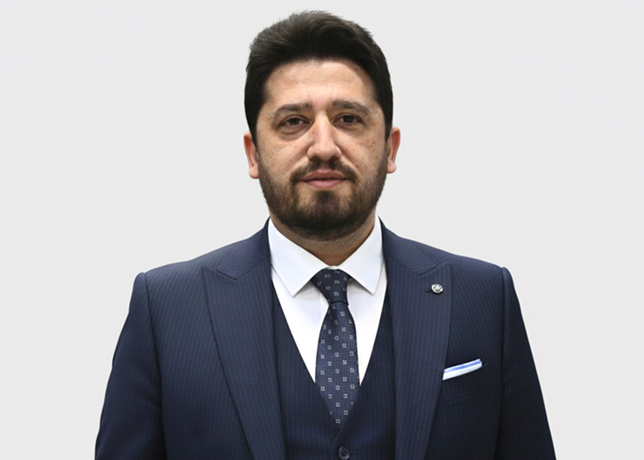
Said Al Hadrami will be the president and CEO of Aramco Trading, as the new unit will be known. Al Hadrami served most recently for four months as head of Saudi Aramco Total Refining and Petrochemical Co, or Satorp, a 400,000 barrel-a-day refinery complex Aramco is building with Total. He was a marketing manager for products at Aramco’s headquarters in Dhahran for the last decade, after having worked for the company in the late 1990s as a trading manager for oil products in London.
Aramco plans to expand petrochemical production along with its refineries to create more valuable products from crude, Abdulaziz Al Judaimi, the head of its chemicals business says.


