







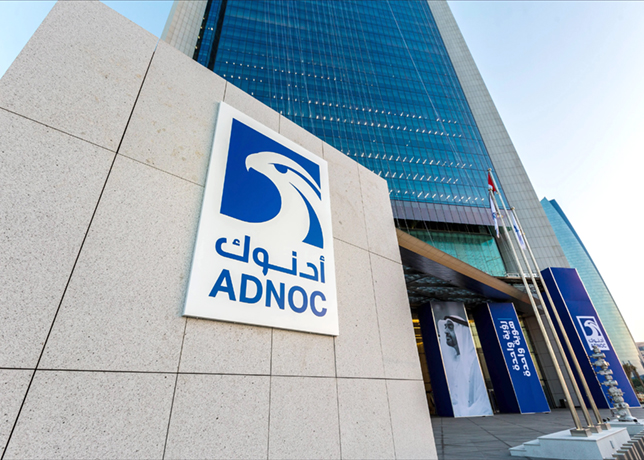




SAUDI Aramco’s chief executive officer (CEO) says industrial clusters will be built around the company’s two major in-kingdom petrochemical megaprojects.
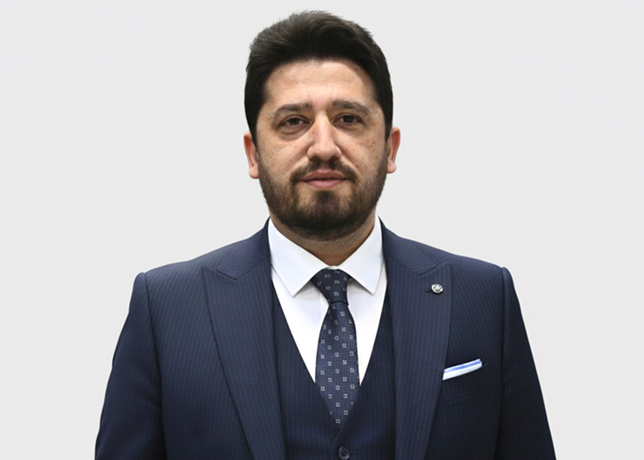
Khalid Al Falih calls on producers to move away from gas-based feedstocks and look at refinery petrochemical integration, stating that such a move offered product diversification and added value.
“This area of the business has significant room for growth in the Gulf – and Saudi Aramco intends to take an active role in realising those opportunities,” he says.
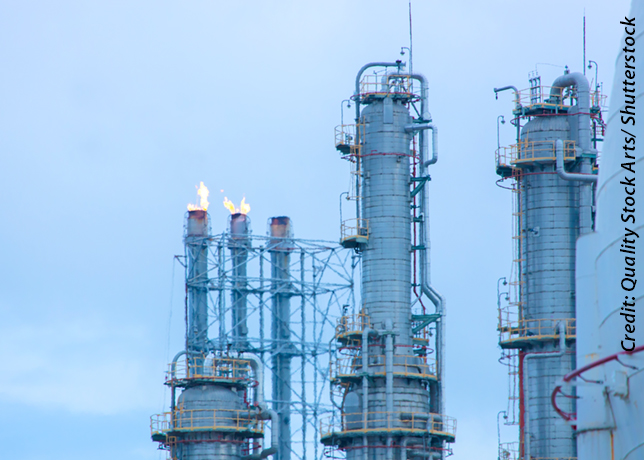
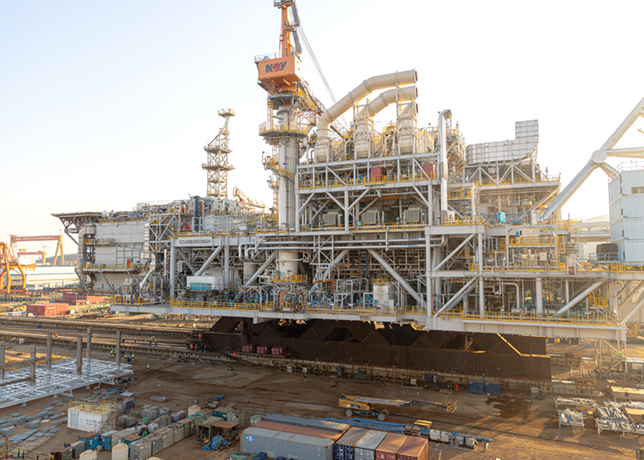
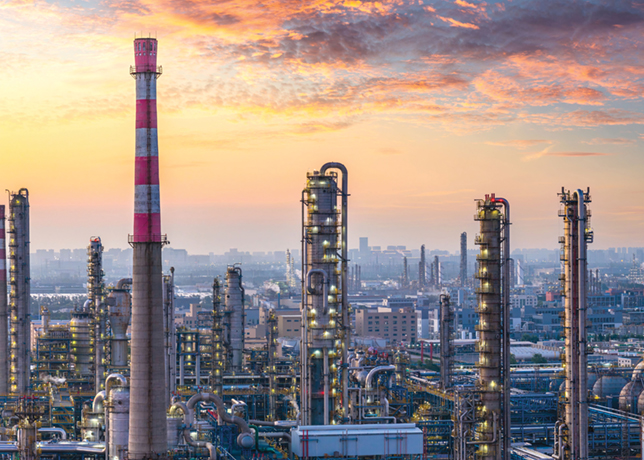
Aramco’s solution to product diversification is to develop industrial clusters around its two major in-kingdom petrochemical joint ventures. The clusters will move the kingdom’s chemical industry further downstream by supplying specialist chemicals to the automotive, pharmaceutical, textile, electronic, construction and agricultural industries.
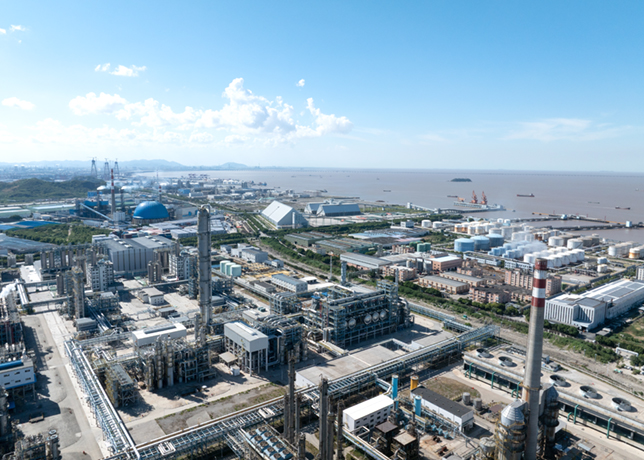
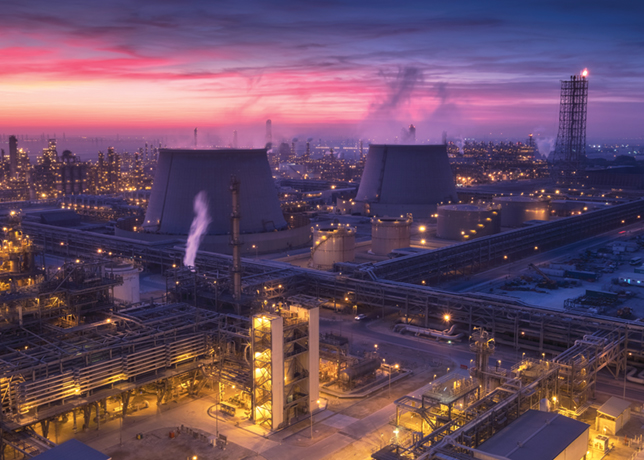
One cluster will be built around Aramco’s joint venture with Japan’s Sumitomo Chemical – the PetroRabigh refinery and petrochemical complex on the Red Sea coast. The other cluster will be built around the planned $15 billion Aramco Dow project in Jubail on the Gulf coast, a project being developed alongside the US’ Dow Chemical Company.
The move indicates that Aramco is looking to produce a higher-value and more diverse product mix from both PetroRabigh and Aramco Dow with products that have yet to be made in the Middle East.
Al Falih confirms this by revealing that the products produced will include polyurethane building blocks, metallocene-based elastomers, glycol ethers, solution polyethylene, methyl/polymethyl methacrylate (MMA/PMMA), nylon and ethylene propylene rubber.
The PetroRabigh and Aramco Dow projects are nearing the completion of the front-end engineering and design (feed) phase and the joint venture partners on both projects will be tendering and awarding engineering, procurement and construction contracts in 2011.
Looking forward, the Aramco chief also told the GCC to take full advantage of what he termed a “golden age for our region”.
“The petrochemicals sector is pivotal for our national and regional economies, since it serves as both an enabling industry and an important driver of broad economic development,” Al Falih says. “The next 10 years will be a golden age for our region in terms of economic conditions and commercial opportunities.”
Al Falih also told delegates that the Middle East should use petrochemicals as the base on which to build its economic growth over the next decade.
“The time has come for chemicals to step up and take their rightful place as a pillar industry by growing the petrochemicals downstream in a variety of ways that I have highlighted, with the aim of more rapidly expanding and diversifying our economies,” Al Falih says.
The Aramco CEO’s words were greeted with cautious optimism by experts, although some expressed reservations that such ambitious targets could be hit within a relatively short time span of a decade.
“There are two ways of operating if you want to be successful in the petrochemicals industry,” a GCC-based industry expert says. “You either build your plant close to the market or close to the feedstock.”
“However, if this region wants to grow at the rate Al Falih suggests, then there needs to be a market for the products in this region. The further downstream you move, the harder it is to ship the products.”


