




























OCCIDENTAL Petroleum plans a further increase in its capital spending budget for this year having finalised the Shah sour gas development joint venture in Abu Dhabi and making allowance for picking up drilling permits in California.
Earlier this year, Oxy unveiled a $6.1 billion capital spending budget for 2011, a 56 per cent increase over last year’s outlays of $3.9 billion. But Oxy president Steve Chazen says another $700 million is in the works now that the company has formalised its joint venture with Abu Dhabi National Oil Co (Adnoc) to develop the Shah sour-gas field. An anticipated uptick in drilling permits at Oxy’s shale development project in southern California is also driving the increase in spending.
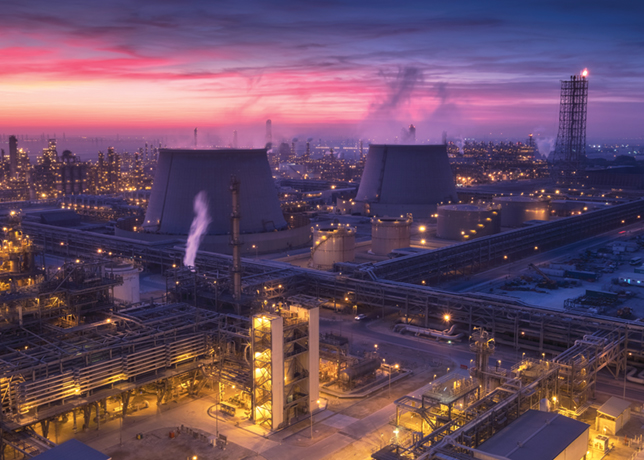
Oxy holds a 40 per cent stake in the $10 billion Shah development – a price tag that Oxy management confirms during the company’s first-quarter earnings conference call.
Chazen says his company will make a $500 million one-time payment to Adnoc this quarter to cover its share of development costs that were incurred prior to Oxy’s arrival at Shah. That payment falls outside Oxy’s capital expenditure budget for the year.
The revised capex budget does include another $500 million that Oxy anticipates spending on new development over the balance of this year. Oxy and Adnoc are targeting first gas at Shah by the third quarter of 2014.
The remaining $200 million of the capex increase will be allocated to Oxy’s shale development programme in southern California.
Chazen says sluggish issuance of permits remains an issue in California, particularly permits for exploration wells. But he also notes that Governor Jerry Brown is working hard to expedite the process.
Those efforts appear to be paying off, and Chazen says recent approvals have made Oxy “optimistic” about the pace of development it can realistically sustain in the second half of the year.
Oxy drilled and completed 26 shale wells outside of its core Elk Hills Field in the first quarter. That pace is consistent with the 107 wells that Oxy had initially expected to drill in the California shales this year, but Chazen now believes it can push that figure higher. Oxy’s California shale project involves drilling vertical wells that are completed using a process known as acidization rather than the hydraulic fracturing that is typically used on shale wells drilled in other parts of the US.
This process involves pumping acid into the well and allowing it to dissolve materials that would otherwise inhibit the flow of hydrocarbons into the wellbore.
Chazen says a well of this sort typically costs around $3 million and has an estimated ultimate recovery of 400,000-500,000 barrels of oil equivalent per day (boepd).
The oil and gas mix found in the California shales varies by location, but Oxy has said they generally “compare favourably” to the North Dakota Bakken and the South Texas Eagle Ford in terms of organic content, thickness, depth, porosity and permeability.
Oxy is running 24 rigs in California, more than double the 11 it utilised in the first quarter of 2010.
The Los Angeles-based firm aims to push its California production north of 200,000 boepd by the 2012-13 time frame, up from about 131,000 boepd currently. That would make California an even bigger contributor to Oxy’s output than the Permian Basin of West Texas and Southeast New Mexico, where Oxy is currently the largest oil producer.


