






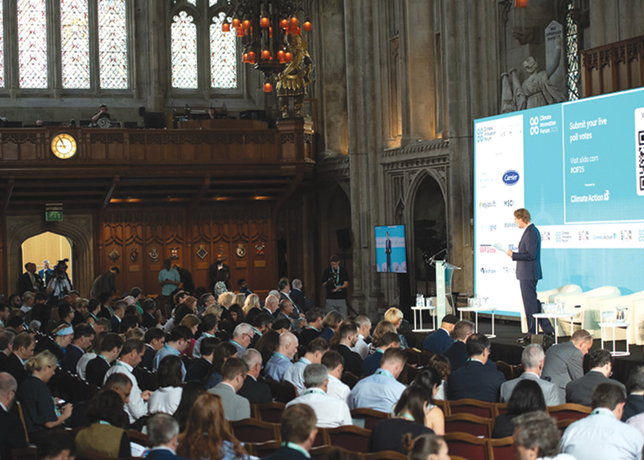






Over five days in December, the 20th edition of the World Petroleum Congress (WPC 2011), dubbed the Olympics of the petroleum industry, will play host to the largest show in the event’s history, welcoming around 5,000 delegates, including 500 speakers and panel constituents, more than 50 ministers of various member countries, around 500 chief executives representing energy companies and allied businesses, and hundreds of journalists from across the world.
The theme of the Congress is ‘Energy Solutions for All – Promoting Cooperation, Innovation and Investment’ and this is the first time since its establishment in 1933 that the World Petroleum Congress will be hosted in the Middle East. This is the forum for the region’s top energy stakeholders to showcase advancements across the range of their operations, as well as for representatives of the Middle East to prove their growing credentials in a highly competitive market.
 |
|
Al Ghanim ... great achievement |
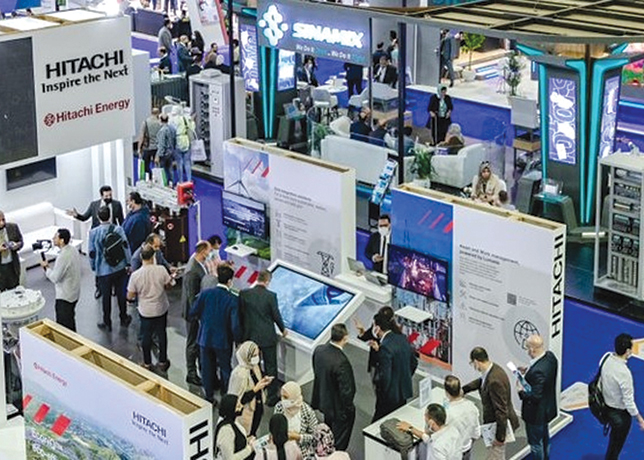
Led by plenary sessions that will bring together the most prestigious and influential industry leaders from around the world, the 2011 Congress from December 4 to 8 is already being described as one of the most high-profile congresses in the Council’s life-time. The sold-out exhibition accompanying the 20th WPC is expected to cover 35,000 sq m, surpassing the previous WPC event in Madrid in 2008 by 20 per cent and making it the largest WPC exhibition.
Almost 2,000 high-quality papers have been submitted for the 24 technical forum sessions, which are distributed into five blocks: Natural Gas, New Exploration and Production Frontiers and Technologies, Innovations in the Downstream, Complementary Energy Sources, and Industry Commitment to Sustainability. This is an unprecedented level of submissions, both in terms of quality and quantity, and about 300 papers and posters will be presented.
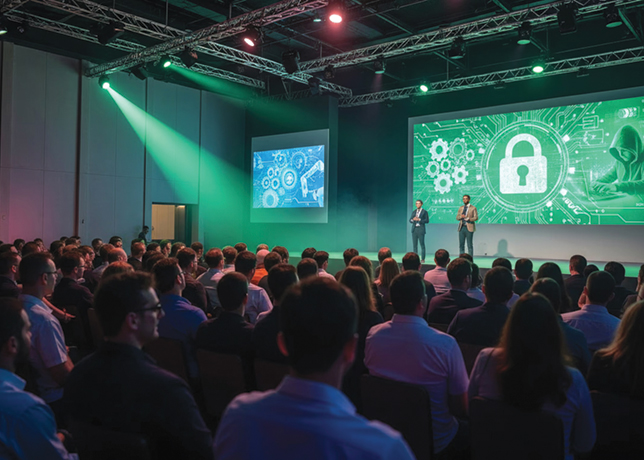
The technical programme includes a broad variety of posters, roundtable discussions, special sessions, best practice keynotes, and plenary sessions with the confirmed participation of high-ranking industry and government authorities.
Following the opening plenary with six oil and gas ministers from the Middle East, ExxonMobil’s CEO Rex Tillerson and Shell’s CEO Peter Voser will be joining Qatar’s Minister of Energy and Industry, Dr Mohammed bin Saleh Al Sada, in a high-level presentation of Qatar’s role in the future energy landscape.
Cooperation, Innovation and Investment are the key themes that will be addressed by decision makers, including Robert Dudley from BP, Russia’s Energy Minister Sergei Schmatko, Christophe de Margerie from Total, José Sergio Gabrielli from Brazil’s Petrobras, and Nobel Peace Prize recipient FW de Klerk from South Africa.
The World Petroleum Congress is the biggest event of its kind in the world and is hosted by a member nation of the World Petroleum Council. The 66-member World Petroleum Council is the only international organisation representing all aspects of the petroleum sector and includes both Opec and non-Opec member countries, representing over 95 per cent of the global energy market.
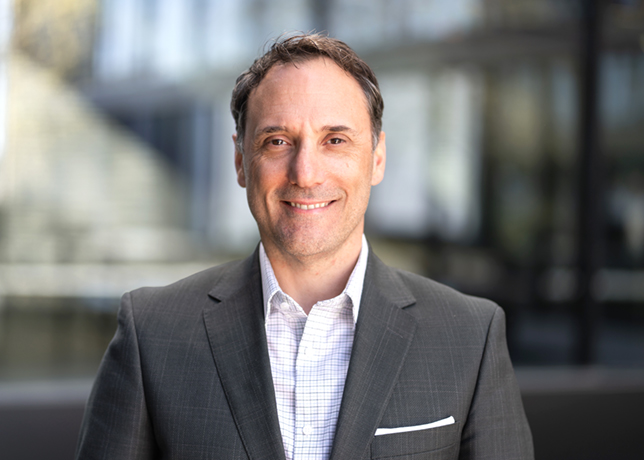
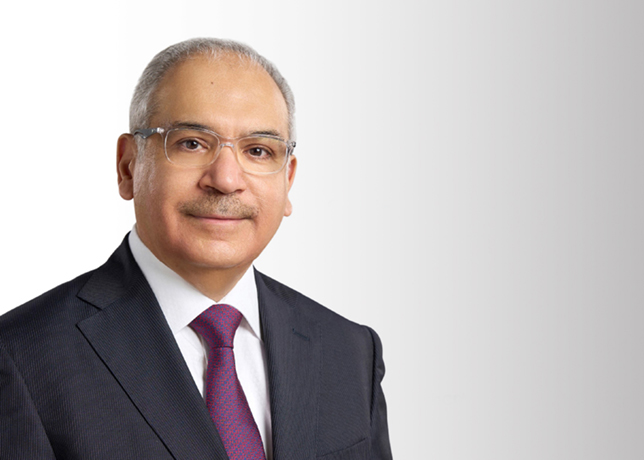
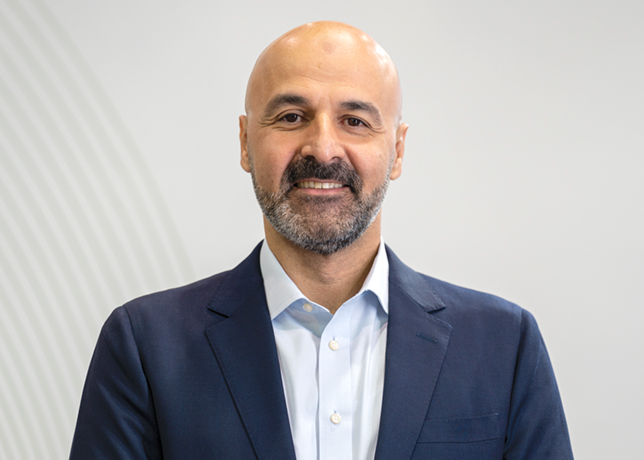
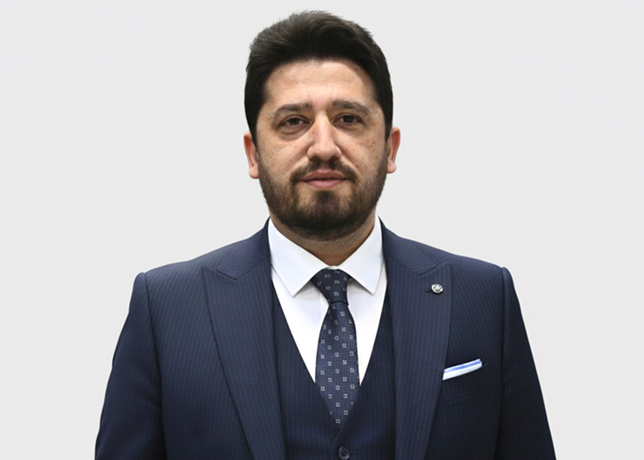
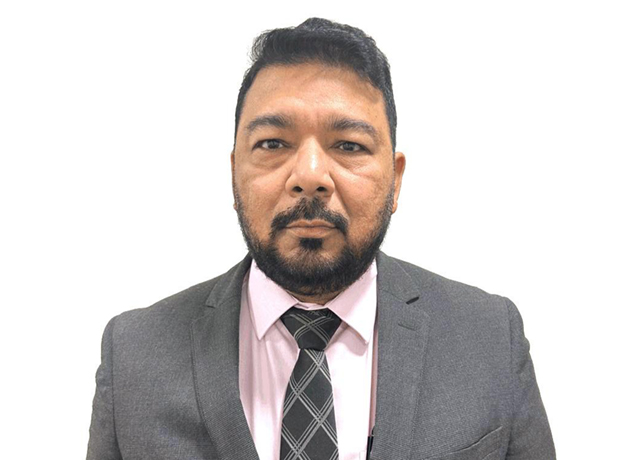
Issa Bin Shahin Al Ghanim, chairman, organising committee of the 20th WPC, says: “The WPC being hosted in Doha is a great achievement for the State of Qatar and it also underscores the region’s growing role in global energy. So I would like to say that we represent the people of the region with great honour.”
Al Ghanim says most of the expected 5,000 delegates have already confirmed their attendance and applications continue to stream in. WPC 2011 has also confirmed the support of over 50 companies including some of the world’s biggest brands, as partners and sponsors of the event. This includes international oil companies (IOCs) and the national oil companies of several countries, as well as multinational leaders in analytics, law, marketing and communication.
“These partners and sponsors are working closely with the organising committee to take the message of the congress to the world. We are fortunate to have established long term relationships with many of our sponsors and plan to continue that trend as we get closer to the 20th WPC,” says Al Ghanim.
The triennial Congress attracts the participation of the largest number of countries from all over the world. The Congress covers all aspects of the industry — from technological advances in upstream and downstream operations to the role of natural gas and renewables, management of the industry and its social, economic and environmental impact. In addition, outside stakeholders such as governments, other industry sectors, NGOs and international institutions also join in the dialogue.
The World Petroleum Council is the world’s premier global oil and gas forum and is the only international organisation representing all aspects of the petroleum sector. The Council was established in 1933 to promote the management of the world’s petroleum resources. Its prime function is to catalyse and facilitate dialogue among stakeholders — both internal and external to the petroleum industry — on key technical, social, environmental and management issues in order to contribute towards seeking solutions to those issues.
The Council does not have a formal position on issues but does act as a forum to bring together in dialogue the various sectors of society that have views on specific issues. It is a non-advocacy, non-political organisation and has accreditation as a Non-Governmental Organisation (NGO) from the UN. It is dedicated to the application of scientific advances in the oil and gas industries, to technology transfer, and to the use of the world’s petroleum resources for the benefit of all.
Headquartered in London, the Council includes over 60 member countries from around the world, representing over 95 per cent of global oil and gas production and consumption. Council membership is unique as it includes both Opec and non-Opec countries with representation from National Oil Companies (NOCs) as well as Independent Oil Companies (IOCs). Each country has a national committee made up from representatives of the oil and gas industry, academia and research institutions and government departments. The governing body of the Council consists of representation from the national committee of each member country.
Beyond the Congress, the World Petroleum Council is regularly involved with a number of other meetings such as the WPC Youth Forum, the WPC-UN Global Compact Best Practice Forum and joint WPC / Opec workshops on CO2 sequestration, reduction of methane flaring, opportunities for enhanced oil recovery, dispute resolution, calculating reserves and resources, regional integration and the oil, gas and infrastructure developments in Africa.
For the State of Qatar, which has already won the hosting of the FIFA World Cup in 2022, the benefits of the WPC are many, particularly in the growing Mice (meetings incentives conferences and events) sector, where organisers are always looking for unique destinations.
A successful WPC will significantly elevate Qatar’s profile in business tourism, in addition to reinforcing the State’s credentials as an efficient and reliable partner to its counterparts who are members of the World Petroleum Council.
Qatar has for many years worked to develop strong ties with its counterparts and the 20th WPC will also be an opportunity to thank them for their strong support and for voting to give Qatar the rights to host the Congress in 2011.
Meanwhile, the organising committee of the 20th WPC together with International law firm Baker & McKenzie has acquired sufficient carbon credits to offset all the anticipated scope 1 and 2 emissions associated with this major event.
The credits will be progressively retired to cover all the verified emissions from the 20th WPC shortly after it concludes. The 20th WPC organising committee insisted upon strict criteria for any offsetting projects. Working with the specialist carbon consultancy, Perenia, a suitable carbon offset project was identified in an Indian power project that has switched from naphtha to cleaner natural gas. This has reduced emissions and generated internationally verified, monitored and registered credits, while keeping with the strict requirements set by the organising committee.


.jpg)