






.jpg)
Local commitment and technology innovation hold the key for future growth in Qatar and the entire Middle East region, believes GE Oil & Gas, one of the world’s leading suppliers of equipment and services for the global oil and gas industry.
For more than 30 years, GE Oil & Gas has been supplying gas turbines, compressors and other equipment in Qatar, which is one of the fastest growing centers for the oil and gas sector. But supplying advanced technology for projects is only part of GE’s overall strategy for the region.
GE strives to be growth partners for the region’s energy infrastructure development, working hand-in-hand with customers in the public and private sectors to help them meet their productivity and environmental challenges.
That commitment includes training and knowledge sharing to develop local talent, creating a foundation for future growth and progress across the region, says a company spokesman.
Qatar’s national vision for 2030 recognises the importance of investing in education and knowledge transfer, and GE aims to be a key part of that effort.
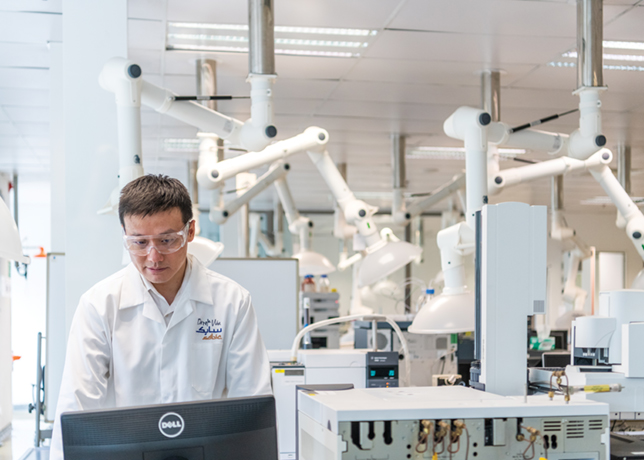
Illustrating that commitment is the GE Advanced Technology and Research Centre on the campus of the Qatar Science and Technology Park in Doha.
The facility includes teams from several GE businesses, including oil and gas. While much of the work there involves hands-on training to service complex technology products, the centre also is part of the country’s and the region’s push to develop new technologies and local expertise across different sectors, he says.
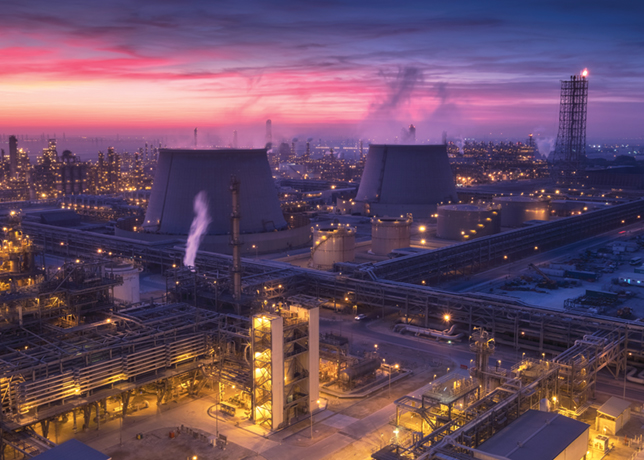
Another cornerstone of GE’s localisation strategy is the Qatar Service Centre in the Ras Laffan Support Services Zone.
The centre’s mission is to promote growth in the oil and gas industry by fostering technology transfer and local talent development, while creating new employment opportunities and maximising local procurement in Qatar.
The centre supports both emerging markets and the fast-growing refinery industry in the region, with application expertise ranging from petrochemical services to LNG. It also provides customers with the first GE re-manufacturing capabilities for compressors in the Middle East, he says.
The oil and gas industry, in the Middle East as well as worldwide, faces a number of challenges, including ultra deepwater drilling and production, sour and acid gas exploration and production, getting more from existing resources, and reducing carbon dioxide emissions. In GE’s view, technology innovation is the way to meet these challenges, he says.
A case in point is GE’s new ORegen waste heat recovery system, a technology that is a good fit for customers across the Middle East who are seeking to lower emissions and increase fuel efficiency.
ORegen is among the products that GE will highlight at the World Petroleum Congress in Doha.
This innovative technology enables a gas turbine to produce extra power without any additional emissions and no water use. The first ORegen system is being installed at a pipeline compressor station in Alberta, Canada, he explains.
The development of the ORegen system is part of a broader GE research programme that designs waste heat recovery systems for a wide range of applications.
It is part of a growing family of products that have been qualified under ecomagination, since GE launched that company-wide initiative in 2005.
To earn ecomagination qualification, a product is evaluated for its ability to significantly and measurably improve the customer’s environmental and operating performance.
In addition to ORegen, GE features a number of new technologies that have been designed to tackle industry challenges, including:
• The first full NACE-compliant magnetic bearing for turbo-expanders in wet sour gas environments. GE co-designed, developed and validated the new technology in less than one year, for a Qatar Petroleum application; and
• The MS-800 FullBore subsea wellhead system, specifically designed to withstand the pressures and temperatures of ultra-deepwater drilling projects.
GE technology is at work for some of Qatar’s most important projects. An example is Qatargas 2, the world’s largest LNG project and the first deployment of GE’s Frame 9E gas turbines for LNG service.
With 7.8 million tonnes per year of capacity, the Frame 9 ‘super-trains’ are the largest LNG refrigeration strings in the world, and are helping Qatar provide a new source of energy diversity and supply for LNG markets worldwide.
In the first large-scale application of its type, GE’s advanced compressor technology is minimising LNG boil-off at LNG berths at the Ras Laffan Port. Given the complexity of the LNG venture, this is a milestone boil-off recovery project that will minimise gas flaring to the fullest extent possible, helping conserve Qatar’s natural resources, he adds.